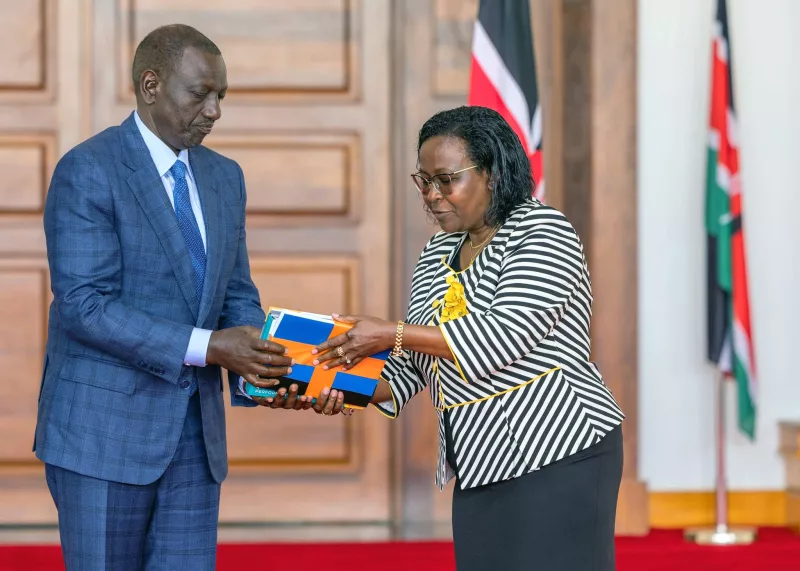
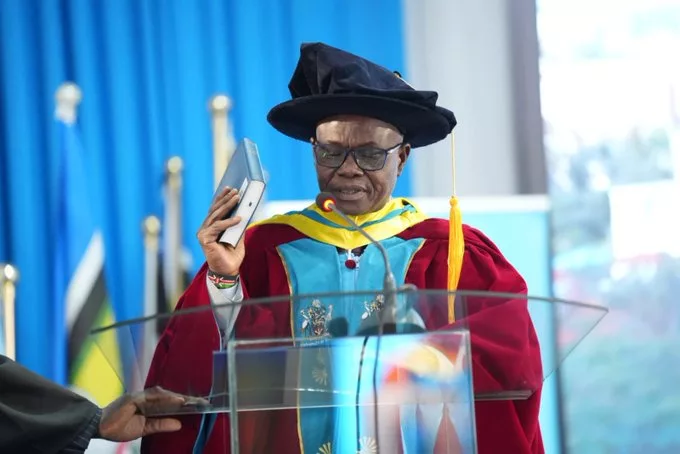
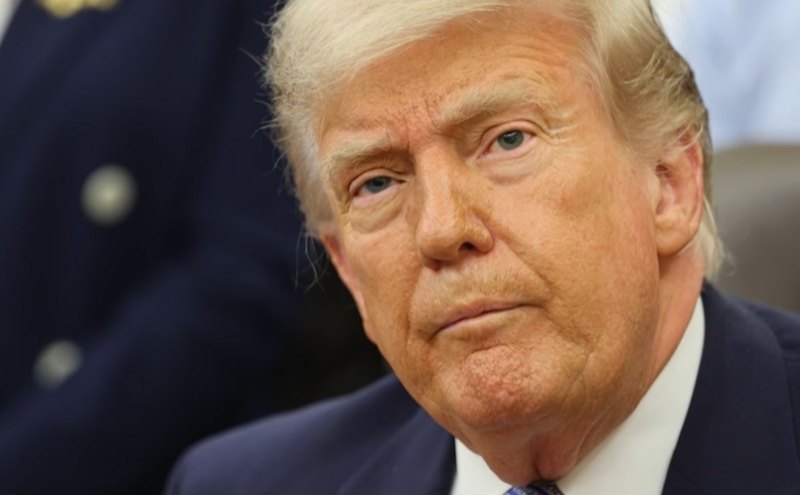
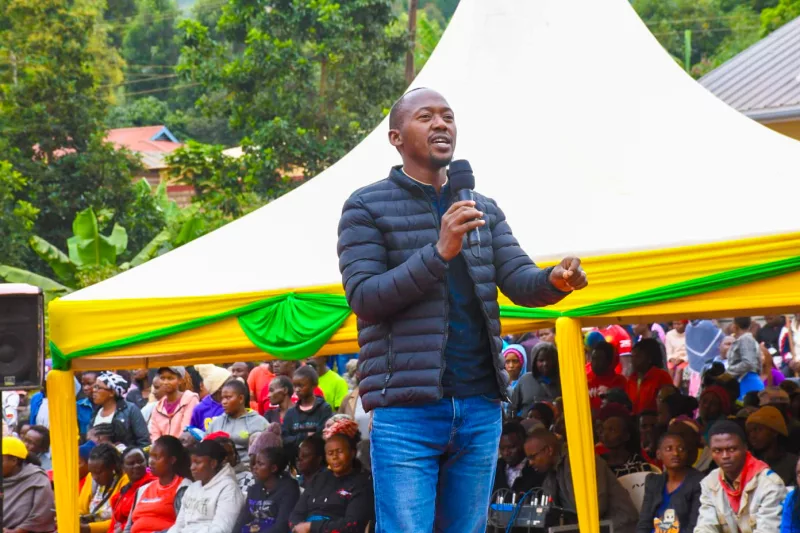
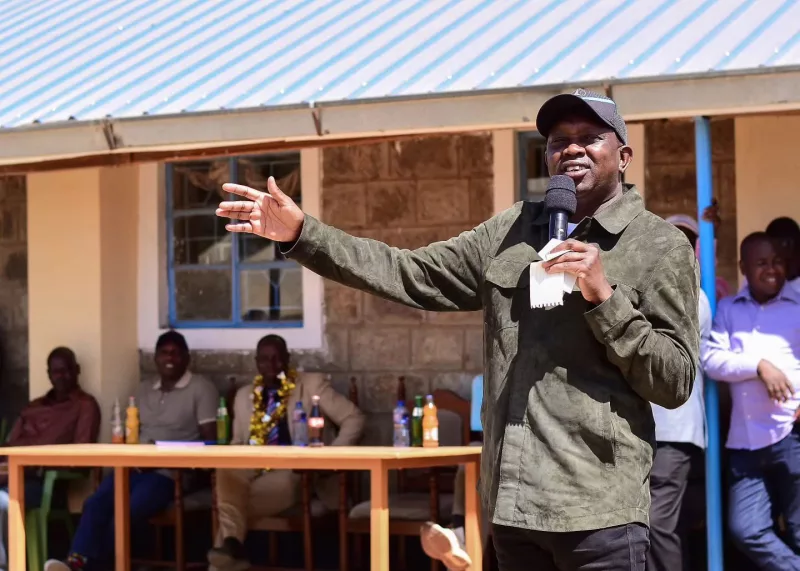
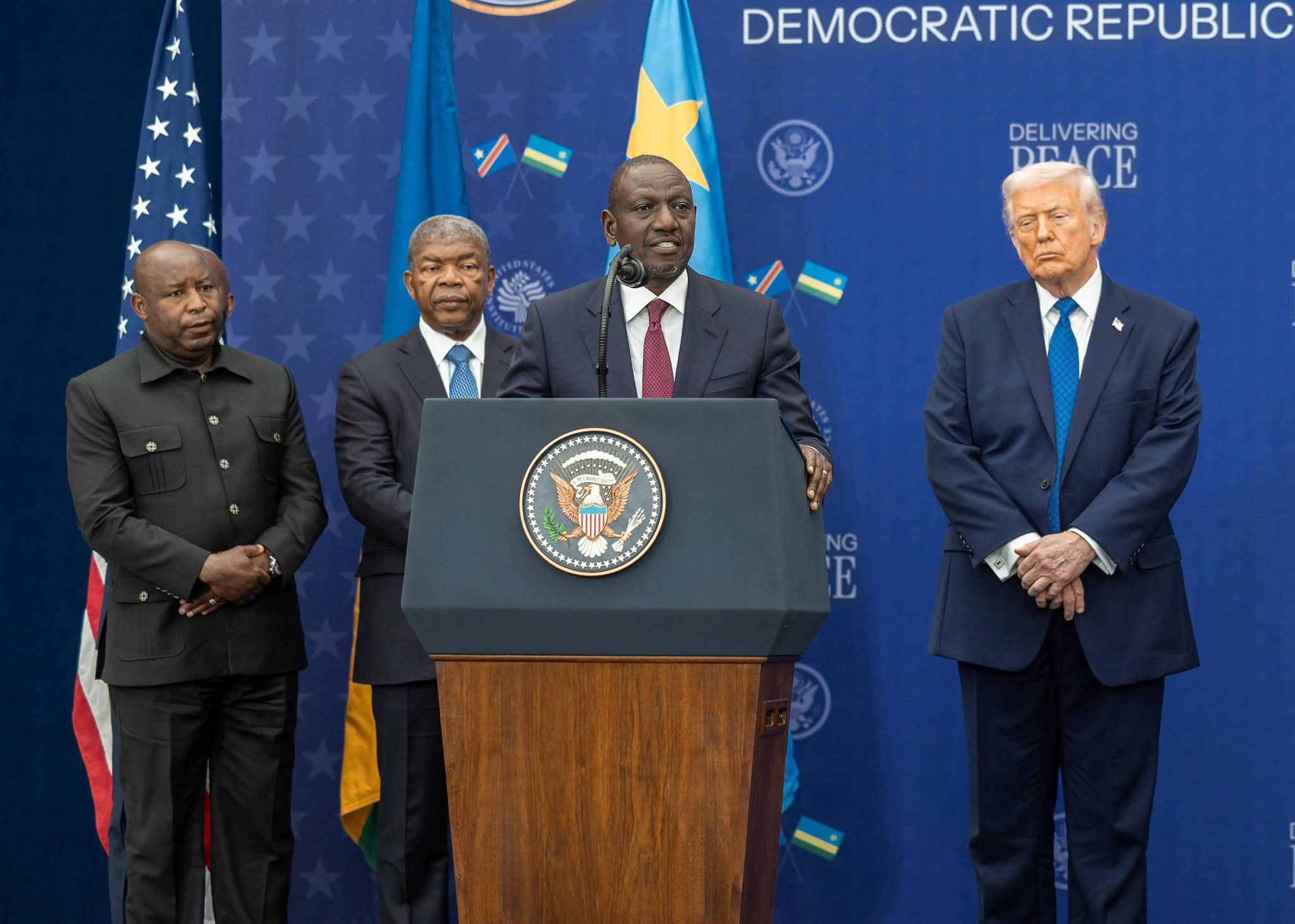
 President William Ruto with US president Donald Trump and other African leaders during the signing of the deal on December 4,2025/PCS
In a landmark diplomatic breakthrough, the Democratic Republic of the Congo (DRC) and Rwanda formally signed the Washington Accord on December 4, 2025, offering renewed hope for peace in eastern Congo, a region long plagued by armed conflict, militia activity, and humanitarian crises.
Hosted in Washington by former US President Donald Trump, the ceremony marked the culmination of years of painstaking negotiations, regional coordination, and international mediation.
The accord represents a comprehensive framework to tackle both security challenges and economic development, aiming to stabilize a region that has for decades suffered under the weight of armed groups, cross-border tensions, and the illicit exploitation of rich mineral resources.
Understanding the conflict: Eastern DRC’s long struggle
Eastern Congo has endured decades of instability driven by armed rebel groups, ethnic tensions, and competition over mineral wealth.
Notable militias, including the M23 and the FDLR, have operated across the region, contributing to mass displacement, human rights violations, and cycles of violence that have devastated communities.
The root causes of conflict are complex.
Beyond political and ethnic tensions, eastern DRC is home to vast deposits of cobalt, copper, lithium, tantalum, and gold.
These resources have often fueled the conflict, with armed groups financing themselves through illicit mining and trade, leaving civilians to bear the brunt of violence.
International efforts over the years, from the African Union (AU) to the United Nations (UN), have attempted to mediate peace.
Yet many agreements have faltered due to lack of enforcement, persistent cross-border interference, and the exclusion of key non-state actors, particularly M23.
What Was Agreed
The accord, formally the 2025 DRC–Rwanda peace agreement, was first signed on June 27, 2025 in Washington, D.C by the foreign ministers of DRC and Rwanda.
It contains commitments in two major areas of security and economic cooperation.
Security commitments
Withdrawal of Troops: Rwanda agreed to withdraw its troops from eastern DRC within 90 days, fulfilling one of the most visible security demands.
End of Support to Armed Groups: Both countries pledged to cease backing militias and non-state armed groups, including the FDLR, which has long destabilized the region.
Joint Security Mechanism: The accord establishes a joint monitoring body to oversee troop withdrawals, verify disarmament, and ensure compliance with the peace process.
Reintegration of Fighters: Non-state armed groups will be offered conditional integration into civilian life, a key step toward breaking cycles of violence.
While these measures set a clear framework, M23 rebels were not signatories, highlighting the continued need for inclusive negotiations.
Economic and regional integration
Economic cooperation forms the accord’s second pillar.
Both countries agreed to establish a Regional Economic Integration Framework, designed to:
Formalise mineral supply chains to prevent illegal exploitation.
Attract Western investment in mining, energy, and infrastructure projects.
Encourage regional trade and infrastructure connectivity, leveraging initiatives like the African Continental Free Trade Area (AfCFTA).
The framework aims to transform eastern Congo’s mineral wealth into sustainable economic development, providing jobs, infrastructure, and growth opportunities, while reducing dependency on illicit trade networks
Ruto: A milestone for the Great Lakes region
President William Ruto, attending the signing, described the accord as “not merely a monumental diplomatic milestone; it is a decisive act to end a devastating conflict that has scarred the region for decades.”
He continued, “This conflict has destroyed livelihoods, destabilised our region, and threatened the future of the entire Great Lakes Region and the African continent.”
Ruto who is the current EAC heads of state summit chairperson emphasised the regional coordination that made the accord possible.
“The coordinated Nairobi, Luanda, and Washington Processes created the essential pathway that brings us to this pivotal moment. We would like to extend our gratitude to President Tshisekedi and President Kagame for their leadership during these processes.”
He also highlighted the United States’ role in facilitating the agreement.
"Reaching this point was made possible by the unparalleled and consequential convening power of the US and President Trump’s resolute and focused commitment to global peace," he said.
His clarity of purpose and ability to rally stakeholders, he noted, have been pivotal. We therefore extend our profound gratitude to President Trump, whose bold leadership has been instrumental in delivering this breakthrough.
 US president Donald Trump with other leaders during the signing of peace agreement in US on December 4,2025/PCS
 Peace as a foundation for prosperity
President Ruto linked the accord to economic transformation, stressing that peace in eastern DRC could unlock the region’s vast potential.
"A peaceful eastern DRC can unlock one of Africa’s greatest economic opportunities. Our vast resources and youthful talent, connected through regional infrastructure and the African Continental Free Trade Area, can ignite an unprecedented transformation,” he said.
He emphasised the importance of creating predictable governance frameworks to enable private sector investment.
"Governments alone cannot unlock our economies. Our duty is to establish predictable frameworks, security, and stable markets.
Upon this foundation, the private sector can deploy capital and innovation to build lasting prosperity.”
Ruto highlighted Kenya’s experience as a model for public-private partnerships.
"Public-private partnerships are delivering major highways, and independent power producers have enabled Kenya to generate over 92% of its electricity from renewables, leading the continent in green energy.
To deepen this progress, we are establishing a National Infrastructure Fund to mobilise local, institutional, and private capital and attract global investors with transparency and sustainability at its core."
Opportunities and challenges ahead
While the accord represents a historic achievement, analysts caution that success hinges on implementation.
Troop Withdrawals and Security Oversight: The most immediate test is whether Rwandan forces withdraw and the joint security mechanism becomes fully operational.
Inclusion of Non-State Actors: M23 remains outside the agreement, posing a risk of continued conflict. Disarmament and integration of FDLR fighters will be critical.
Economic Implementation: While the accord outlines frameworks for investment and mineral governance, turning promises into tangible economic benefits for local populations will require transparency, accountability, and sustained effort.
Humanitarian Concerns: Beyond economic and security provisions, the accord does not address justice or reparations for victims of past atrocities, which could undermine long-term reconciliation.
Despite these challenges, the accord is widely seen as a unique opportunity to stabilize a conflict-ridden region, attract investment, and unlock economic development.
Regional integration and economic transformation
Ruto underscored the broader significance of peace for Africa’s economic future.
“The protracted conflicts on our continent continue to hold Africa back. Our current 3% share of global trade is stark evidence of how far we remain from our potential.”
He called for leveraging peace to foster regional integration, reduce trade barriers, and build value chains in minerals, manufacturing, and agro-processing.
"For too long, Africa has exported raw materials only to import refined products at great cost. Our Regional Economic Integration Framework is a historic chance to reverse this, to build value chains, create jobs, and retain wealth in the region.”
Ruto concluded by envisioning a prosperous, peaceful Great Lakes region. “The Great Lakes Region stands at the threshold of a new era. Peace will open the door. Integration will guide us through it, and private sector dynamism will propel us forward.”
Historic moment with global implications
The Washington Accord reflects the first major US-mediated peace agreement between the DRC and Rwanda in decades.
It signals a new era of diplomatic engagement, regional cooperation, and economic opportunity in the Great Lakes region.
Global observers note that the accord not only seeks to address the immediate security crisis but also aligns with strategic economic interests, particularly in the mining sector.
By formalising mineral supply chains, attracting Western investment, and promoting infrastructure development, the accord could reshape the economic landscape of the region.
However, observers warn that peace will remain fragile unless the accord’s commitments are implemented fully.
On-the-ground challenges, including lingering mistrust, militia activity, and the need for justice and accountability, will test the durability of this historic agreement.
The signing of the Washington Accord represents a moment of hope for eastern DRC and the broader Great Lakes region.
It demonstrates that coordinated regional diplomacy, backed by global partners, can produce tangible progress, even in protracted conflicts.
As President Ruto emphasised, “Our presence here is a testament to our collective resolve. We will spare no effort to ensure this agreement is fully realised, mobilising every resource and partner to secure peace and unlock the region's immense economic promise.”
The accord lays the foundation for security, economic development, and regional integration.
If implemented effectively, it could mark the beginning of a new chapter in African peacebuilding, one where conflict gives way to prosperity, resources fuel development rather than war, and regional cooperation becomes the engine of transformation.