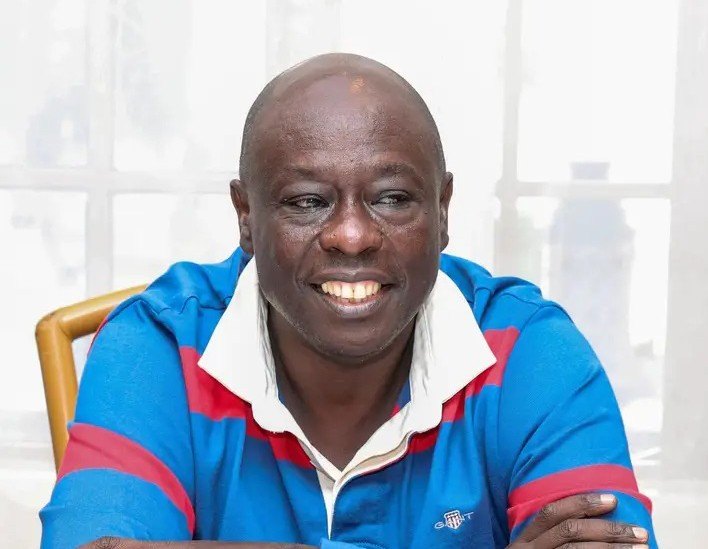
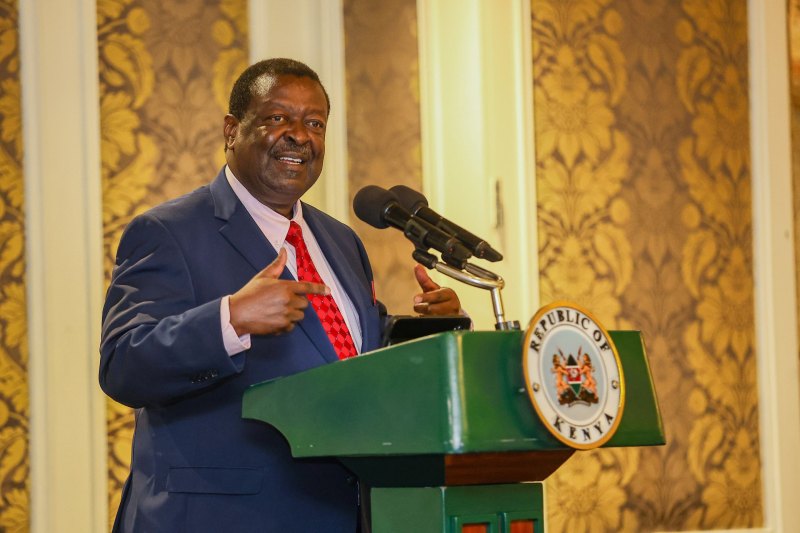
Former Nairobi Governor Mike Sonko./FILE
The Tax Appeals Tribunal has handed former Nairobi Governor Mike Sonko a major reprieve after ordering the Kenya Revenue Authority (KRA) to immediately lift agency notices freezing his bank accounts.
The tribunal ruled that the disputed taxes are not yet collectible until his appeal is fully heard and determined.
In the decision delivered on 14 November 2025, Tribunal Member Hon. Dr. Rodney O. Oluoch directed KRA to unfreeze Sonko’s Equity and Co-operative Bank accounts, warning that failure to comply would attract penal consequences. The ruling gives Sonko temporary relief as his tax dispute continues.
However, even as the Tribunal lifted the freeze, Equity Bank says it has been caught between conflicting directives from KRA and the Asset Recovery Agency (ARA), with both institutions issuing instructions that require opposing actions on the same accounts.
According to court filings, Sonko holds five Kenyan shilling accounts and one dollar account at Equity.
Equity says the directives cannot be reconciled, noting that complying with one would risk violating the other. The bank has therefore sought the court’s guidance, arguing that only a judicial determination can clarify which agency’s position should prevail.
KRA had earlier issued an agency notice seeking more than Sh574 million in what it described as unpaid taxes.
ARA later informed the bank that the same funds were alleged proceeds of crime, despite a High Court ruling by Justice Nixon Sifuna that had set aside earlier preservation orders against Sonko.
Sonko, through his lawyers, has also written to Equity demanding access to his funds, insisting that Justice Sifuna’s judgment removed any lawful basis for a continued freeze.
In an affidavit, Equity’s Business Development Manager Gregory Akoth said he sought clarification from the Ethics and Anti-Corruption Commission (EACC).
In response, EACC officer Shem Shurie stated that ARA had issued preservation orders pending implementation of the High Court decision.
The agency cited Section 97 of the Proceeds of Crime and Anti-Money Laundering Act (POCAMLA), arguing that property under a preservation order should remain restricted until a final determination is made.
While ARA has relied on Section 97 in previous matters, courts have clarified that preservation does not automatically extend without specific judicial orders, and must operate within the directions of the court handling the matter.
With conflicting legal provisions, overlapping judgments, and competing agency instructions, Equity maintains that it cannot either release or continue freezing the funds without exposing itself to legal risk. The bank now wants the court to resolve the impasse conclusively.