



Kenya's transition to the Digital World
is currently at a turning point.
Over the past years, the country has followed a clearly outlined path to become a digital leader on the continent, with targeted investments in infrastructure, technologies and human capital integrating AI capabilities and submarine cable systems particularly the China Mobile 2Africa cable.
This is a vital moment in the journey of Kenya's digital transformation, marking the beginning of the installation of the East Segment of the 2Africa submarine cable into Kenyan shores.
Connecting 33 African countries with Europe and Asia, the advanced subsea fiber-optic system offers never-before-seen capacity of up to 180 terabytes per second.
In other words, this increases both the speed and reliability of international internet connectivity for Kenya linking it well to the global village network.
Additionally, the system provides a very important landing of the said cable, thereby further securing the country as a continental global digital gateway.
It is not just about faster Internet but also provides the backbone to realise suites of full digital services, cross-border trade and integration.
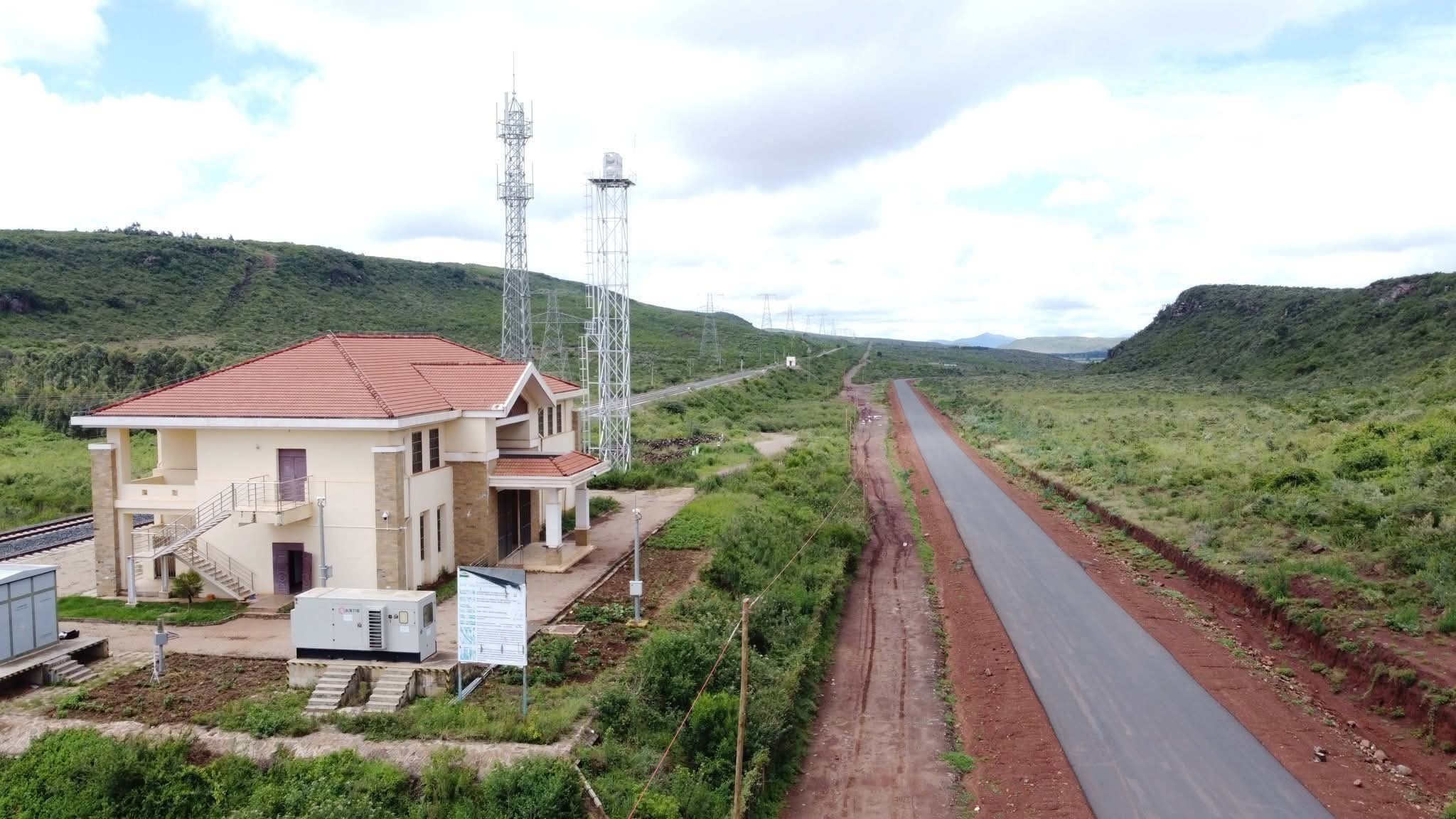
Complementing that international link is the government’s ambitious expansion program dubbed the Last Mile Internet Connectivity through the fiber-optic infrastructure domestically, famously branded as the Digital Superhighway.
The expansion program connects every county and ward to high-speed access, linking urban centers to remote rural areas through installation of public Wi-Fi and creating local ICT hubs that offer the community not only digital skills but also entrepreneurial opportunities.
These hubs act as incubation points for innovation, internet access, training of the youth and a platform for the growth of local enterprises.
Such data centres not only help improve quality of service but also translate into job opportunities, hence contributing to local economies.
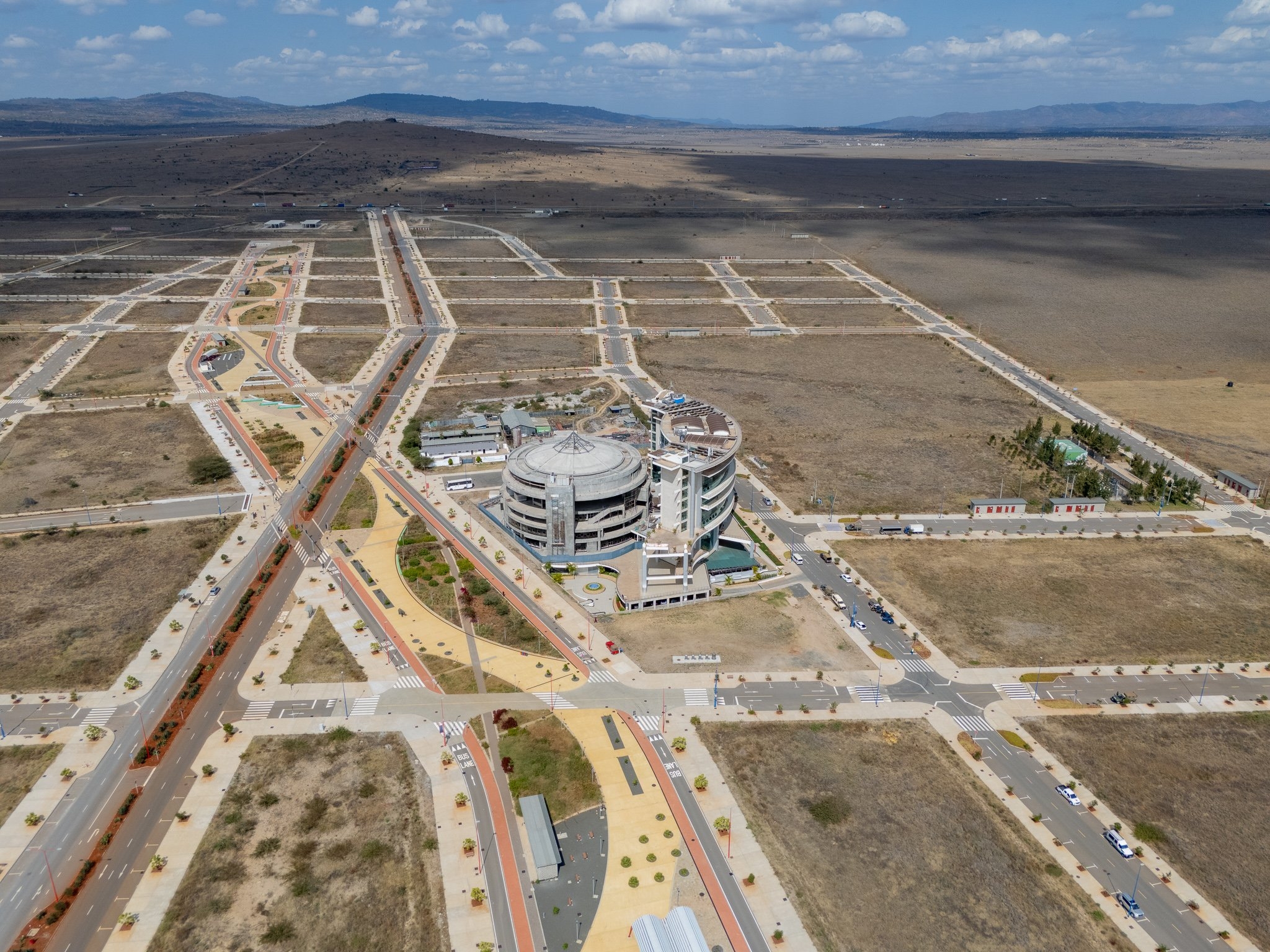
Other factors that have contributed to Kenya's digital ecosystem include the iXAfrica Data Centre, fitted with multi-ISP fiber connectivity, reliable power backup and capacity to operate 24/7.
Such facilities have become important in hosting cloud services, big data analytics and AI workloads.
With the geographical advantage offering comparatively cheaper energy costs and an expanding fiber backbone infrastructure, Kenya becomes a hosting hub of interest in the global technology companies serving African markets.
At the same time, technological infrastructure is useless without human resources for reaping benefits that accrue from new tools and innovations.
This has influenced the government to emphasise on the adoption of the digital and AI skilling among other items on the transformation agenda.
To this end,
investment in capacity building for public servants and the wider population
continues progressively, facilitated by the establishment of the Regional
Centre of Competence for Digital and AI Skilling in December 2024.
Already, over 13,000 public officers have been trained in critical digital competencies through this flagship program, with sustained scaling about to take place nationwide and regionally.
Increased connectivity, infrastructure and available human resources mean increased opportunities not only for economic growth but also for wider societal development in Kenya.
Ease of access to the Internet contributes toward an increase in avenues of growth in lucrative sectors such as Fintech, e-commerce, agritech and health tech.
It also brings in remarkable developments in the public service delivery for example; telemedicine initiatives working along with digital health records expand access to quality healthcare, particularly to the poorest rural communities whereas, e-learning platforms expand educational opportunities for students from a wide part of the country while AI-powered systems enhance the performance of public administration through data management, citizen engagement and efficiency related to government services.
Apart from that, Kenya is a digital hub that connects regional integration and promotes continental development through cross-border trade, sharing information and partnerships in the innovations, in such a way that the general economic growth of Africa is shifted into its digital future.
Of equal importance is cybersecurity and data privacy issues where rapid growth in the utilization of digital services and exchange of data between parties expose individual and business enterprises to the growing threat of cyber and privacy attacks.
The growth of data centres and digital infrastructure cannot afford to treat the environment as an afterthought.
Accordingly, risks linked to climate resilience and environmental health due to large energy uses by data centres and electronic waste management need principles of sustainability embedded into planning and operations in order to balance growth with ecological responsibilities.
This is indeed a critical juncture for the journey of Kenya in view of full digitalisation.
The base for sustainable growth and innovation may rest on submarine cable connectivity, expanding fiber networks, growing data centers and developing human capital.
Inclusion, cybersecurity, sustainability and regulation are imperatives that will ensure that Kenya moves toward a strong, inclusive digital ecosystem through collaborations.
Connectivity and AI are going to be major propellants of economic growth and improvement in the quality of life for the citizens in the years to come and hence make Kenya competitive within the global digital economic context.
In embracing all these opportunities and surmounting challenges that may come along the way, Kenya is building a future not only for itself but also acting as an inspiration in the aspect of digital transformation processes in Africa and beyond.