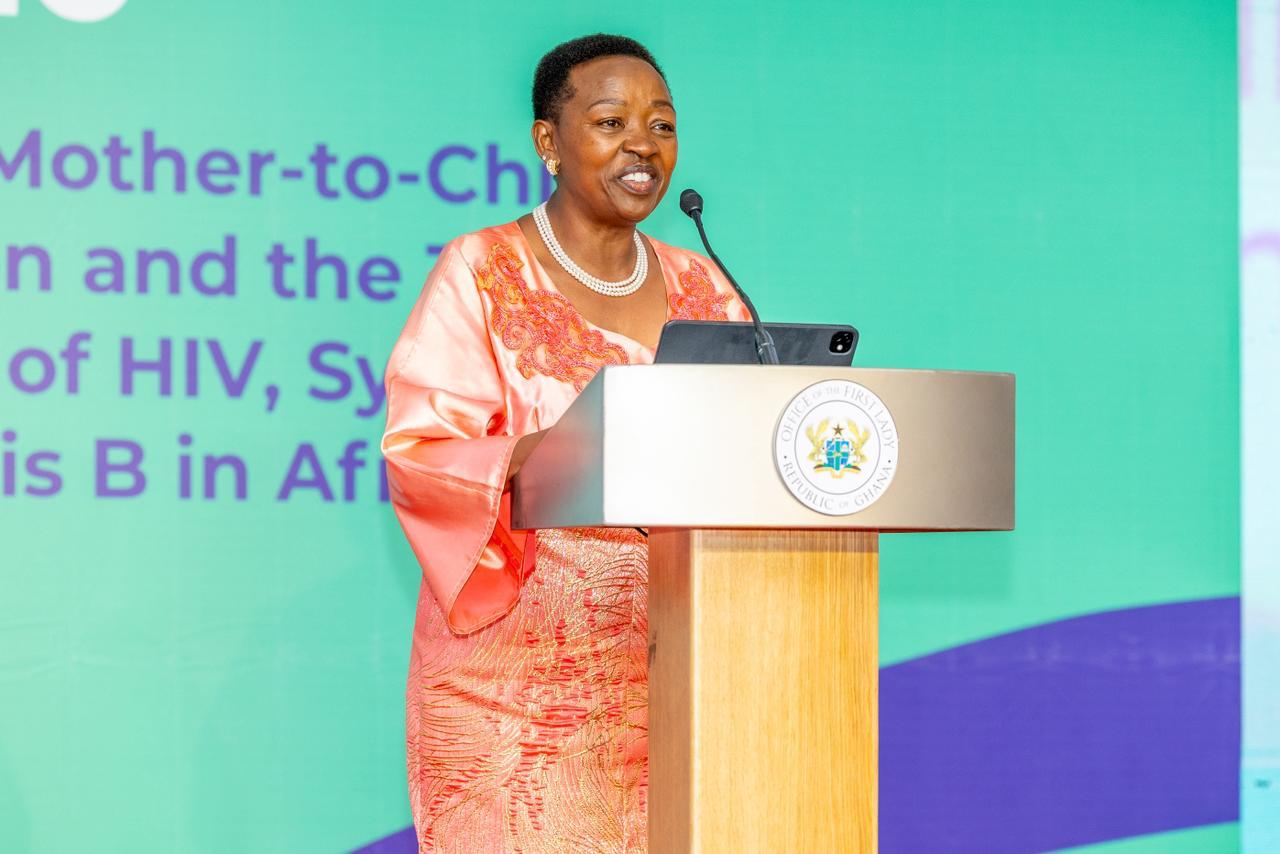
First Lady Rachel Ruto has called on African countries to act urgently to end mother-to-child transmission of HIV.
The First Lady warned that the continent cannot afford further delays as thousands of babies continue to be born with preventable infections.
Speaking during the African First Ladies at Jubilee House in Accra, Ghana, she described the meeting as a convening of mothers, guardians, and the conscience of this continent united by the belief that no African child should begin life with a burden they did not choose.
“Imagine a newborn in Ghana, born this very morning, healthy, hopeful, full of promise. Now imagine that same child carrying a virus they had no power over. This must end. Not in ten years. Not in five. We must end it now,” she said.
She added that President William Ruto reaffirms Kenya’s commitment to improving maternal and child health and expanding HIV prevention.
She said he also praised the leadership of the Organisation of African First Ladies for Development (OAFLAD) and their efforts to protect mothers and children.
The First Lady outlined Kenya’s current challenges saying that according to national data, more than 3,700 babies were newly infected with HIV last year through mother-to-child transmission.
Kenya missed its elimination target of less than 5 per cent, instead, the rate has risen above 9 per cent, with Nairobi County recording the highest number of infections.
She referenced the Kenya AIDS Response Progress Report 2025, released on World AIDS Day, which she said showed the scale of the work ahead.
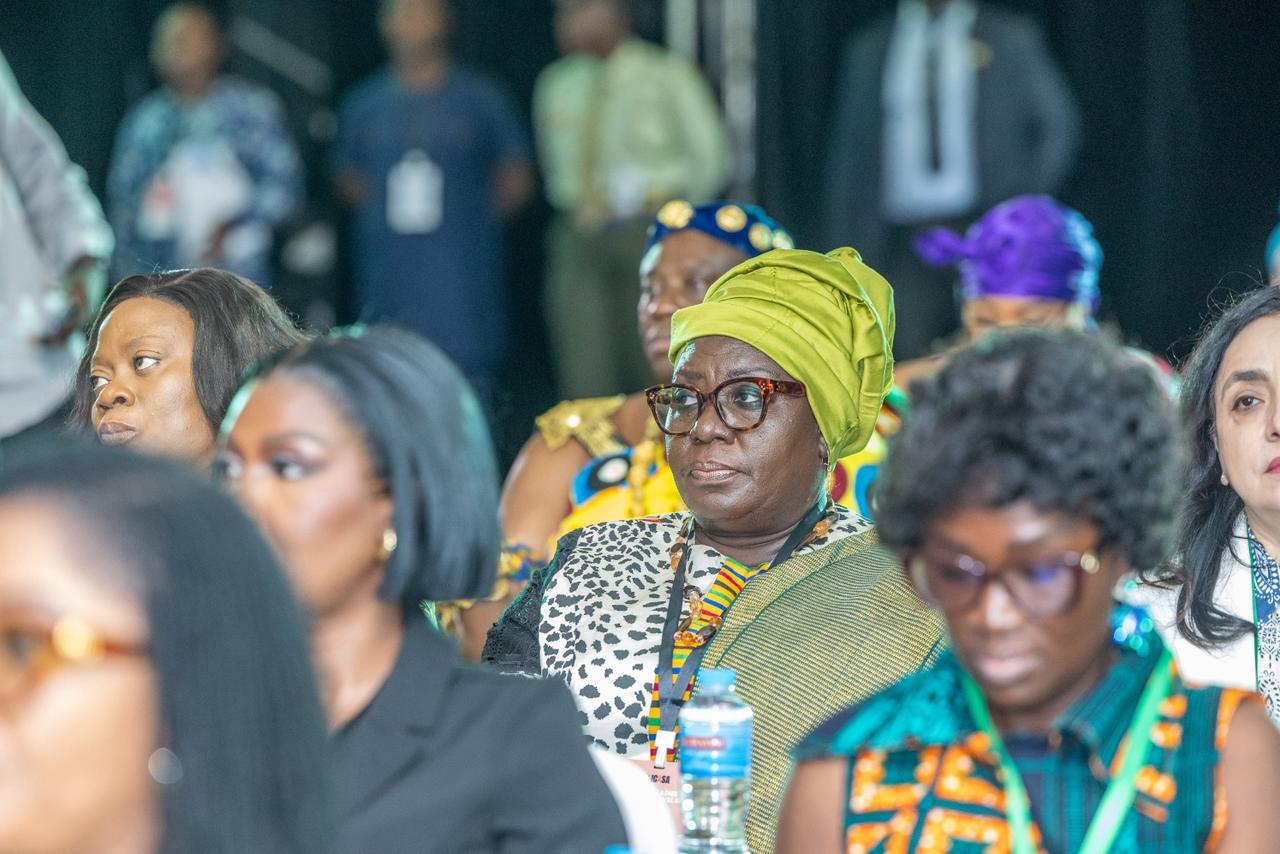
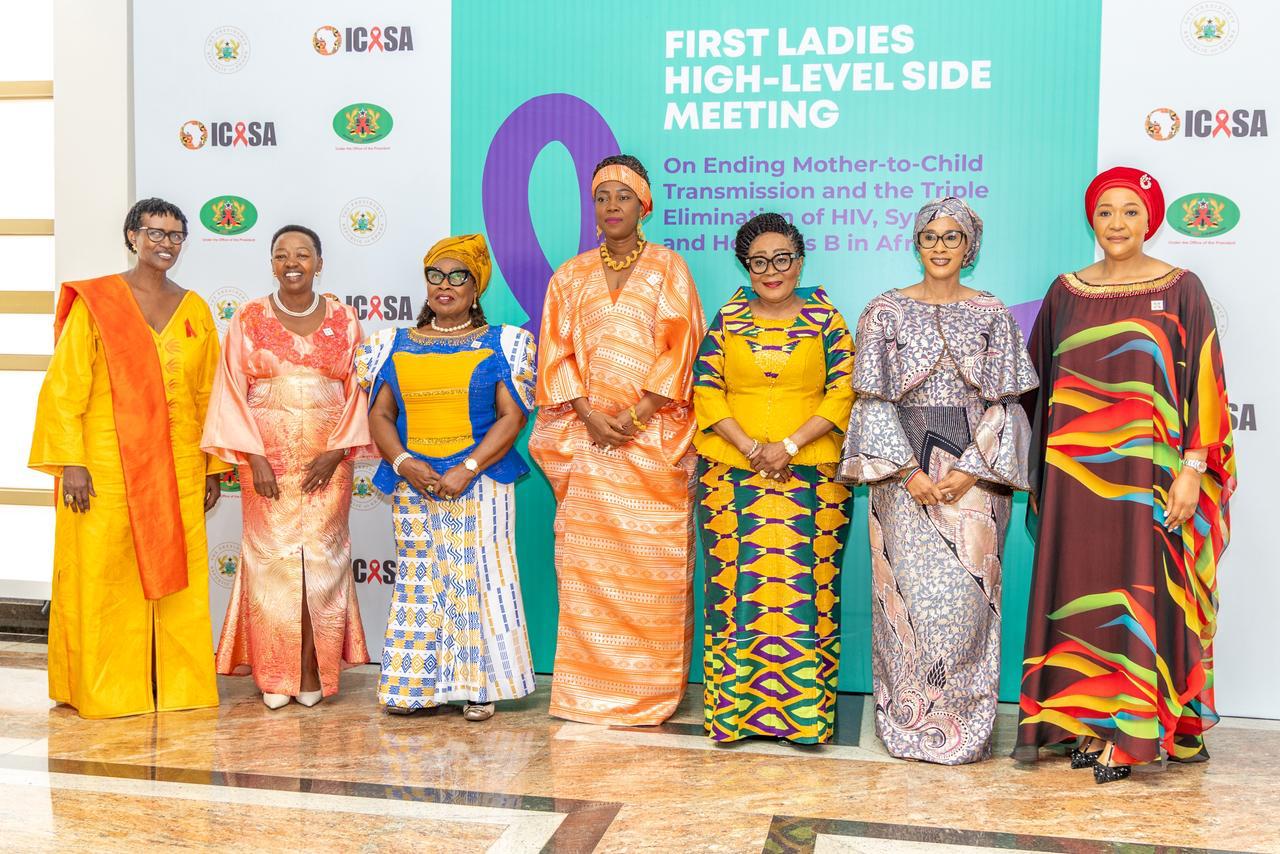 Some
of the African First Ladies during the First Ladies’ High-Level Side Meeting on
Ending Mother-to-Child Transmission and the Triple Elimination of HIV,
Syphilis, and Hepatitis B in Accra, Ghana, on December 4, 2025 / PCS
Some
of the African First Ladies during the First Ladies’ High-Level Side Meeting on
Ending Mother-to-Child Transmission and the Triple Elimination of HIV,
Syphilis, and Hepatitis B in Accra, Ghana, on December 4, 2025 / PCSMama Rachel noted that the crisis mirrors trends across Africa, adding that seven in ten new HIV infections among adolescents occur in girls aged 15 to 19.
She described this group as the most fragile link in the chain, adding that nearly 200,000 pregnant women in Kenya missed HIV testing last year, placing families at risk.
She said African leaders must strengthen early testing, protect adolescent girls, improve continuity of treatment for mothers and accelerate elimination efforts, especially in growing urban centres.
The First Lady also highlighted recent progress as she praised Kajiado and Narok counties for declaring an end to Female Genital Mutilation and child marriage.
She called the move a victory for the rights of girls and a step toward reducing new infections.
She commended African countries that are advancing triple elimination of HIV, syphilis and hepatitis B.
“Kenya remains firmly committed to the Triple Elimination of HIV, Syphilis, and Hepatitis B. We are strengthening ante-natal care, expanding testing, improving treatment access, and adopting digital platforms to ensure continuity of care,” she said.
Mama Rachel said Ghana is leading in integrating maternal health with HIV prevention, while Botswana and Rwanda are nearing triple elimination. She said Namibia is making bold strides.
She reaffirmed Kenya’s commitment to the triple elimination agenda, adding that the country is expanding antenatal care, testing and treatment, and adopting digital platforms to improve continuity of care.
The First Lady highlighted her national programme with NASCOP to reduce gender-based violence, prevent teenage pregnancies and lower new infections among adolescent girls and young women.
She urged African nations to move from declarations to concrete action, saying leaders must form a continental pact to ensure every mother will be reached, every child will be protected, every girl will be strengthened, and every family will be empowered.
“The year 2030 is fast approaching. The world is watching what Africa will achieve, and our children are counting on us.”


![[PHOTOS] Linda Mwananchi takes Trans Nzoia by storm](https://cdn.radioafrica.digital/image/2026/07/0d132395-ad4b-4671-867e-880c9f8144f5.webp)