

![[PHOTOS] A Girl & Her Wine: Radio Africa celebrates female staff in style](/_next/image?url=https%3A%2F%2Fcdn.radioafrica.digital%2Fimage%2F2024%2F12%2F7faf0a8d-5539-47c3-90d8-5bf0bf53939b.jpeg&w=3840&q=100)
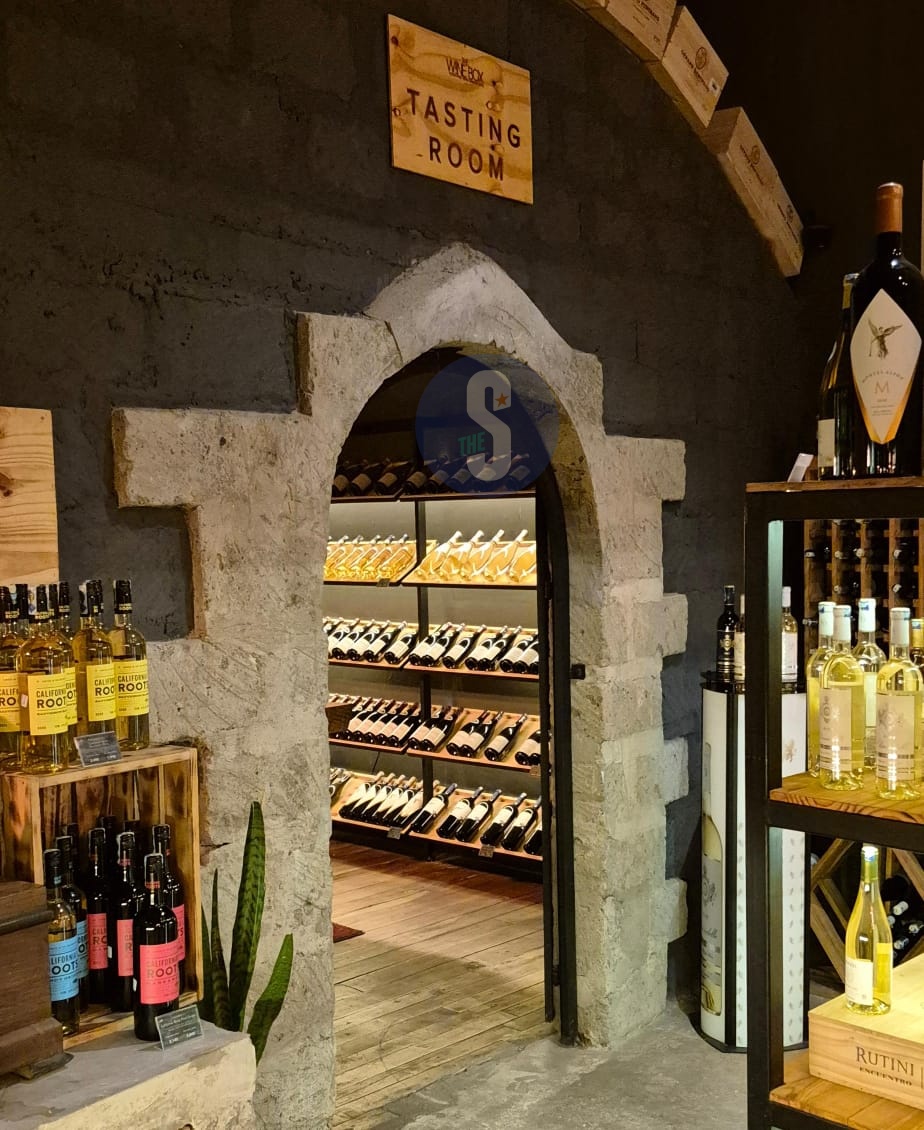
Wine tasting room at Cave a manger, Wine Box / CYNDY ALUOCH.
When a select group of Kenya’s sommeliers, collectors, hoteliers, and wine enthusiasts gathered inside a warmly lit hall in Nairobi, the room carried an air of rare discovery.
They had come for one thing: a curated journey into Russia’s little known but fast rising wine regions.
Organised by the Russian Embassy in Kenya, the tasting offered more than just sips it unfolded centuries of history, forgotten grapes, revived traditions, and a surprising freshness that many in the room had never associated with Russian wine making.
Among the guests was the Russian Ambassador to Kenya, Vsevolod Tkachenko, whose deep love for his country’s wine industry set the tone for the evening.
“The Russian wine making industry is quite young but at the same time, it is very ancient. Wine was produced in the territory of modern Russia for more than 1000 years since the ancient Greeks came to the shores of the Black sea,” he said, drawing a thread between ancient vineyards and today’s bottles.
“They found fertile soils and started to produce wines in the ancient city. They then spread the wine yards to the East and North.”
From Crimea’s breezy coastline to the Don River’s ancient terraces and the dramatic slopes of the North Caucasus, the wines poured that night revealed a landscape of taste unfamiliar to most Kenyans yet instantly captivating.
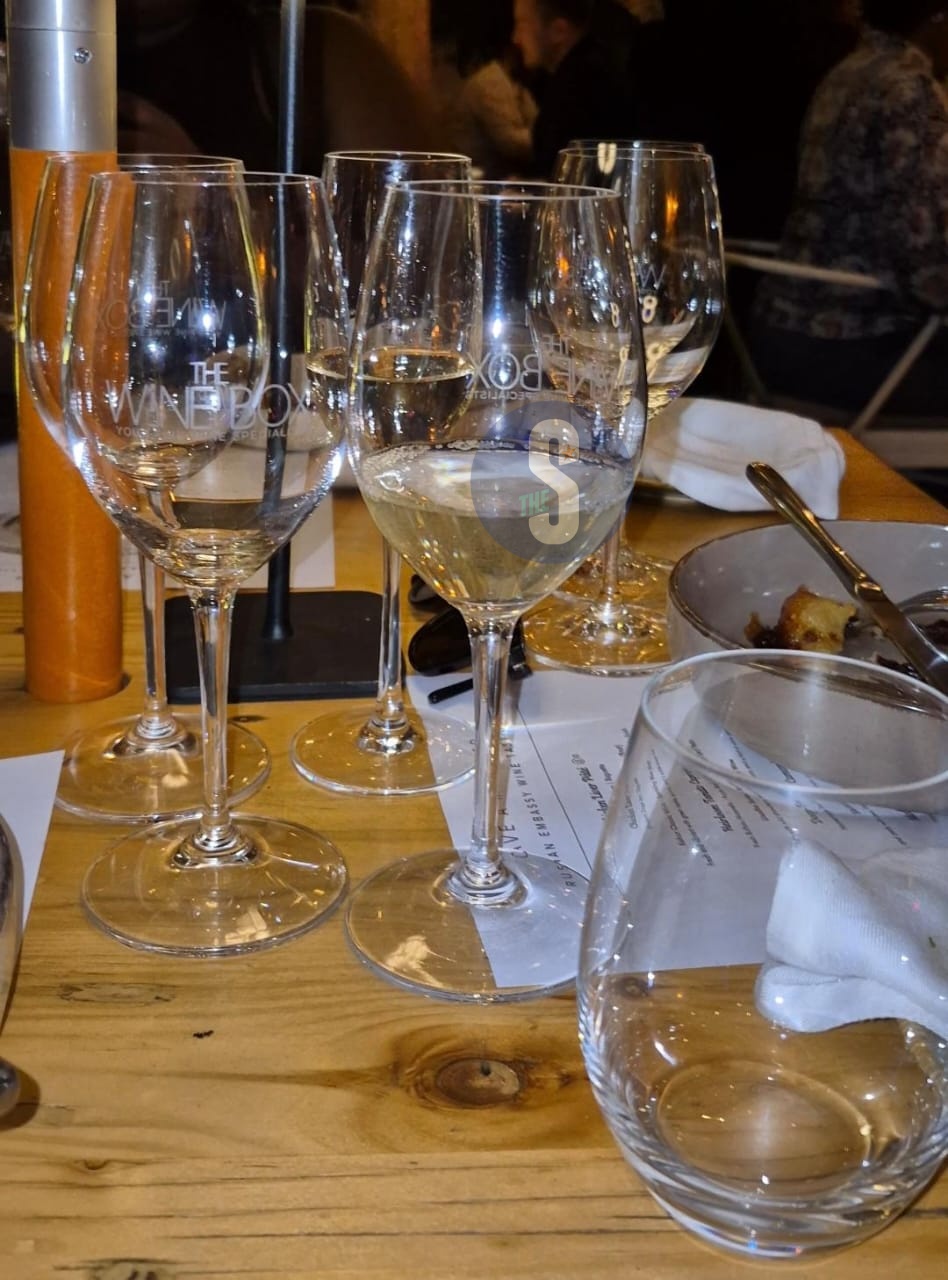
Kokur classic white sparkling wine poured in a glass/ CYNDY ALUOCH.
The Sparkling beginning: Kokur’s ancient glow.
The first bottle uncorked was a sparkling Brut from Vino Valeriy Zakharyin, made from Kokur, one of Crimea’s oldest white grape varieties.
To many in the room, the mere mention of Kokur was new yet as the pale straw liquid filled the glasses, its legacy began to speak
Fine bubbles rose in elegant streams and when the wine touched the palate, it carried crisp notes of green apple, quince, and white flowers, gently lifted by hints of freshly baked brioche.
Experts praised its mineral character sharp, refreshing, almost sea-kissed.
A sommelier explained how Kokur’s bright acidity and natural salinity make it a favourite with oysters and sturgeon tartare, both served during the tasting.
The wine’s lively structure is shaped by traditional bottle fermentation and 18 months of ageing on lees, giving it depth and sophistication.
Kokur, cultivated since Greek colonisation, felt like an ancient voice revived.
In a world dominated by Chardonnay based sparkling wines,
this Crimean Brut was a refreshing shake-up, an invitation to rethink what
sparkling wine can be.
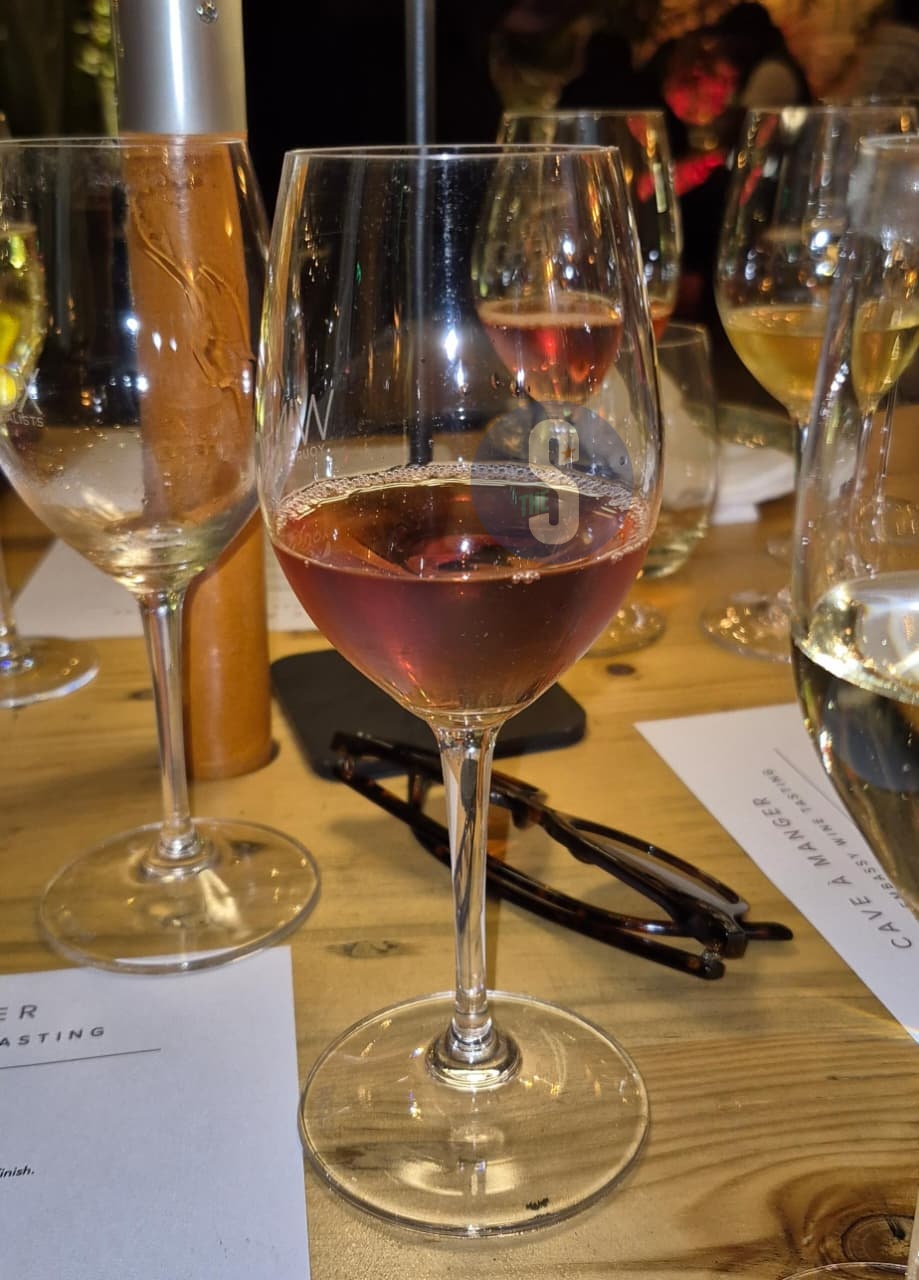
Usadba Sarkel Rose wine/ CYNDY ALUOCH.
A Rosé with a river’s soul: The Denisovsky–Tsvetochny blend
Next came a rosé from Usadba Sarkel, glowing in a delicate salmon hue.
Crafted from Denisovsky and Tsvetochny grapes grown along the Don River Valley, the 2022 vintage reminded many tasters of the elegant rosés of Provence.
The aromas drifted gently from the glass: wild strawberry, rose petals, and a subtle sprinkle of white pepper.
On the palate, the wine was dry, elegant, and beautifully structured red currant and grapefruit zest unfolding over soft herbal undertones.
Winemakers relied on the saignée method, a traditional technique where a portion of juice is “bled” from crushed red grapes.
The result? A rosé with deeper colour and a more concentrated, flavourful core.
Experts linked the wine’s delicacy to the Denisovsky terroir ancient river terraces that preserve both freshness and a gentle salinity.
The Don River Valley, with wine making roots stretching back to the 7th century, seemed to whisper through this glass.
It was subtle, graceful, and deeply expressive.
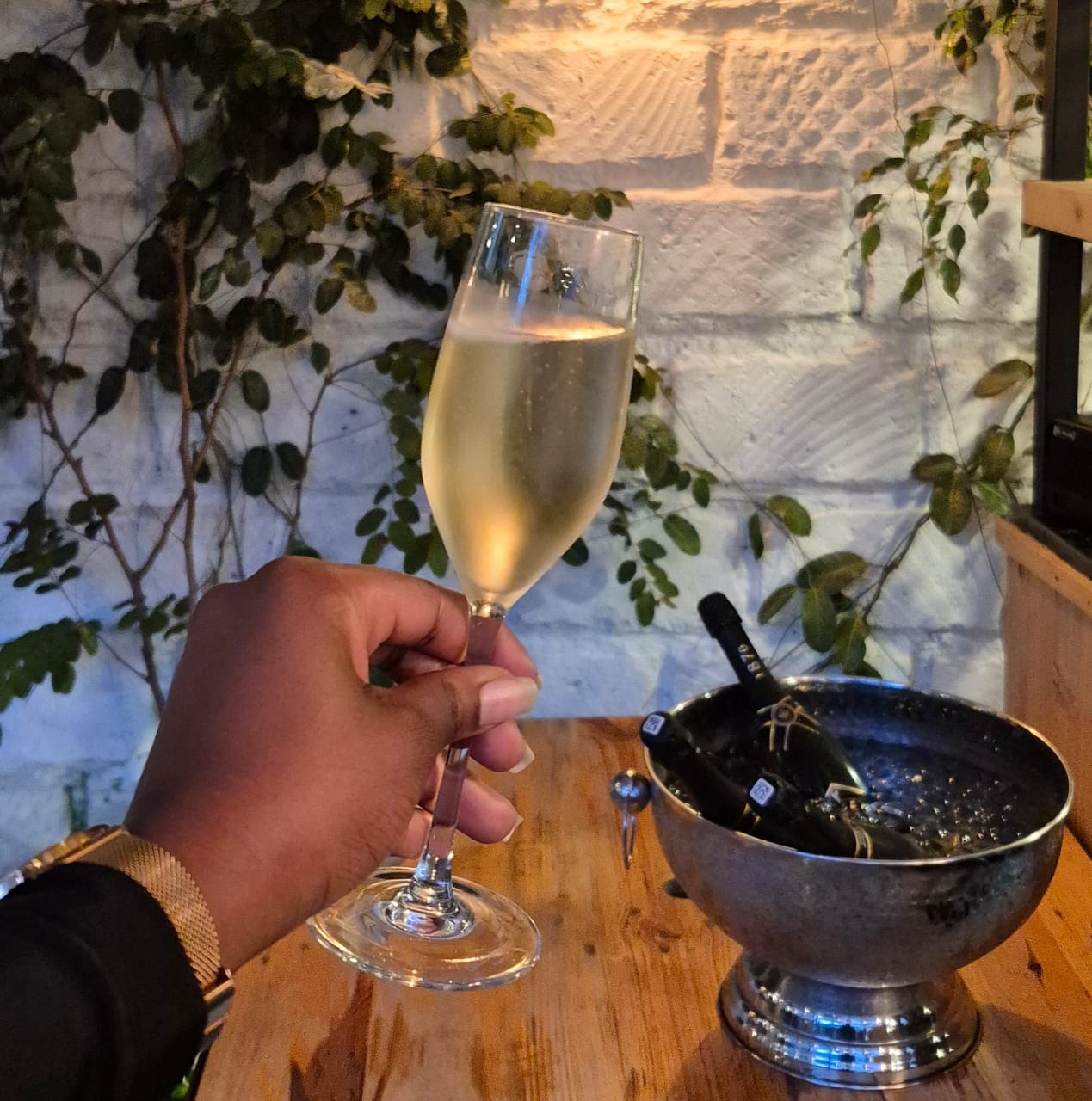
Sparkling wine poured in a glass/ CYNDY ALUOCH.
Sibirkovy: The comeback grape of the Lower Don
Then came a standout a white wine that quickly became one of the evening’s most talked about pours.
From the Lower Don region, the Vedernikov Winery presented a 2024 vintage made from Sibirkovy, a rare indigenous grape once on the brink of extinction.
The wine poured a luminous golden colour, announcing itself with expressive aromas: pear, lime zest, acacia blossom.
On the palate, it was textured and structured juicy orchard fruit wrapped around a mineral core, ending with a faint spicy bitter lift.
Part of the wine was aged in stainless steel, part in neutral oak, giving it complexity without overshadowing the grape’s natural character.
One expert captured its mystique perfectly saying, “It is a grape once nearly extinct and the region, considered the cradle of Russian wine culture has documented wine making since 1756.”
Some tasters likened it to New Zealand Sauvignon Blanc bright, energetic, but uniquely Russian.
It felt modern yet rooted, a grape rescued from obscurity and now stepping confidently onto the global stage.
Vostorg: From table grape to Crimean delight
Crimea returned to the spotlight with a white wine from Zhakov Estate, crafted from Vostorg, a grape originally bred in the Soviet era as a table variety.
Few at the event knew Vostorg as a wine grape, and that surprise added to its charm.
The 2023 vintage shimmered in a light straw colour, delivering aromas of peach, pineapple, citrus, and mountain herbs.
The wine was rounded and fresh, with gentle acidity and a fruit-driven profile that made it instantly approachable.
Winemakers use cool fermentation followed by brief maturation in oak.
This softens the structure and adds just the right hint of depth.
The story behind Vostorg fascinated many since once destined
only for markets as a table fruit, the winemakers fought to have it legally
reclassified as a technical (wine) grape.
As one reviewer noted, "Its name says it all since Vostorg means “delight” and that is exactly what it delivered."
Entering the reds: The noble Tsimlyansky Black
The room shifted from whites to reds with a glass of 2020 Tsimlyansky Black from Vina Arpachina, grown in the Don Valley.
Deep, dark, and aromatic, this wine seemed to carry the full gravity of its long lineage.
Tsimlyansky Black is one of Russia’s oldest red grapes, once famed for producing sparkling reds enjoyed by the Tsars.
Here in its still form, it revealed an entirely different nobility.
The wine opened with black cherry, plum, and blackberry, surrounded by spice, tobacco, and oak.
Medium bodied and velvety, it had silky tannins and balanced acidity polished but soulful.
Eight months in French oak and extended maceration gave it structure without heavy weight. Paired with grilled meat or aged cheese, it would shine effortlessly.
At the Nairobi tasting, experts praised the still version for showcasing what they called its noble potential.
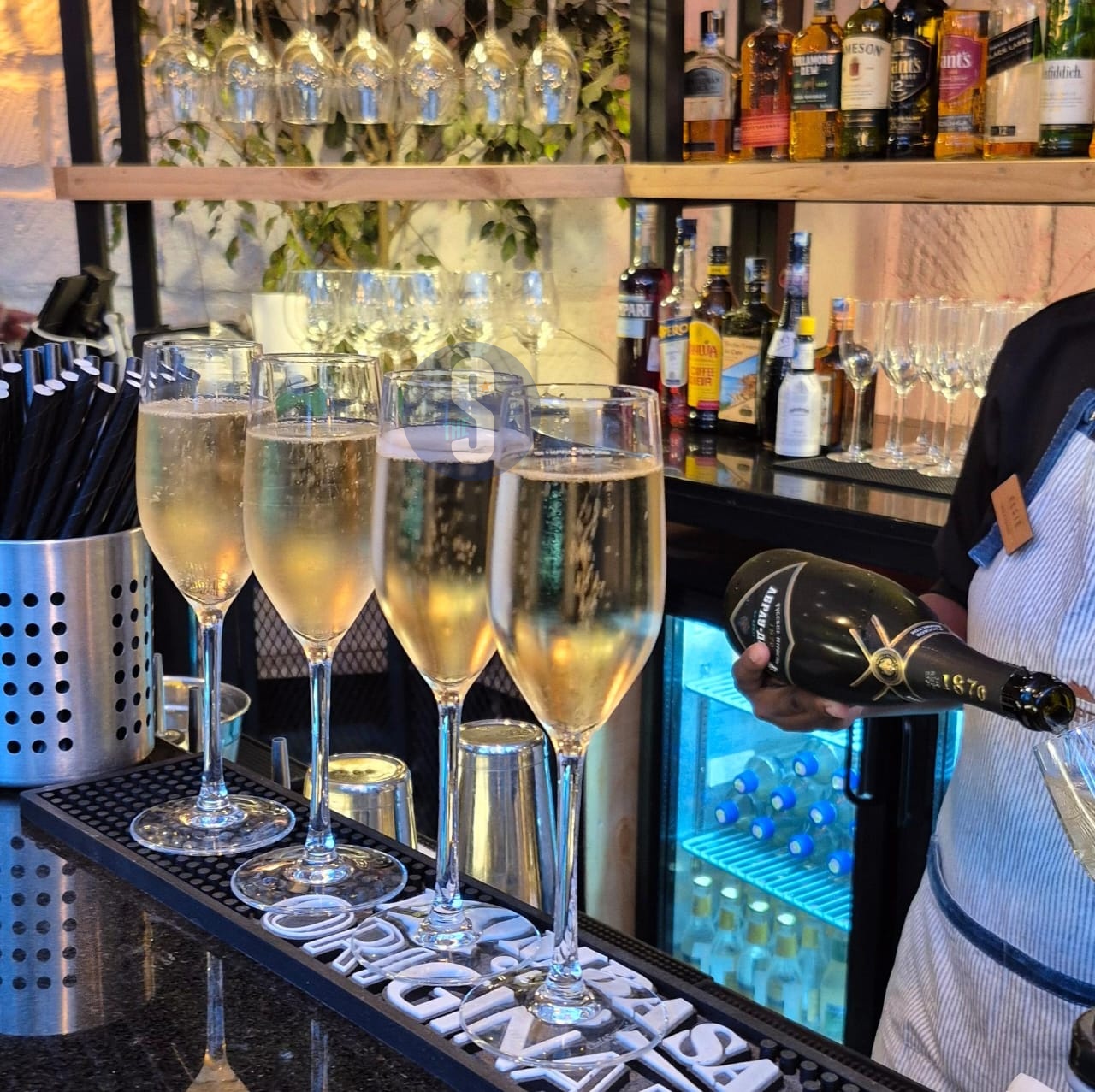
Sparkling wine being served during a wine tasting event/ CYNDY ALUOCH.
Krasnostop Zolotovsky: The King of Don grapes
The evening’s final pour carried a sense of ceremony.
From the North Caucasus, Soberbash Winery presented a 2022 Krasnostop Zolotovsky, a grape widely celebrated in Russian winemaking.
Deep garnet in colour, the wine opened with aromas of dried black currants, prunes, blackberries, and cherries.
When gently swirled, it released deeper layers dark chocolate, tobacco leaf, coffee.
Powerful yet refined, its flavour unfurled slowly: rich, full, framed by soft tannins and a lingering spicy berry finish.
The winemaking process itself is meticulous: hand-harvested grapes, fermentation in temperature controlled tanks, a year in French oak, then another in large oak vats.
Experts said this gave the wine its muscular structure and expressive depth.
One reviewer echoed a phrase popular in Russia saying, “The grape is the King of Don grapes, admired for its thick skins, high tannins and strong ageing potential.”
It was a majestic finale, bold, memorable and unmistakable.
A window into an unfamiliar wine world.
By the time the last glasses were set down, one theme had emerged clearly; Russian wines may be unfamiliar, but they carry stories worth hearing.
The tasting highlighted grapes with centuries of history but little global exposure like Kokur’s ancient Crimean legacy, Sibirkovy’s near extinction rescue, Vostorg’s transformation from humble table fruit to elegant white wine.
Experts at the event described the six wines as “a showcase of distinctive terroirs, revived traditions, and grapes that have survived centuries.”
For Kenyan wine lovers, especially those eager for new adventures beyond the classic European labels, the evening was an eye opening revelation.
Russia’s wine regions, shaped by river valleys, mountain slopes, and coastal climates, offered flavours both surprising and compelling.
The Ambassador’s opening words resonated even more deeply as the tasting ended: Russia’s wine industry is both young and ancient a paradox reflected perfectly in the bottles presented.
In the end, the six wines introduced in Nairobi were more than just beverages.
They were windows into landscapes, histories, growers, and grapes rarely showcased on African soil.
As the tasters agreed, they offered Kenyan consumers a fresh, exciting frontier in the world of wine, one waiting to be explored, one glass at a time.