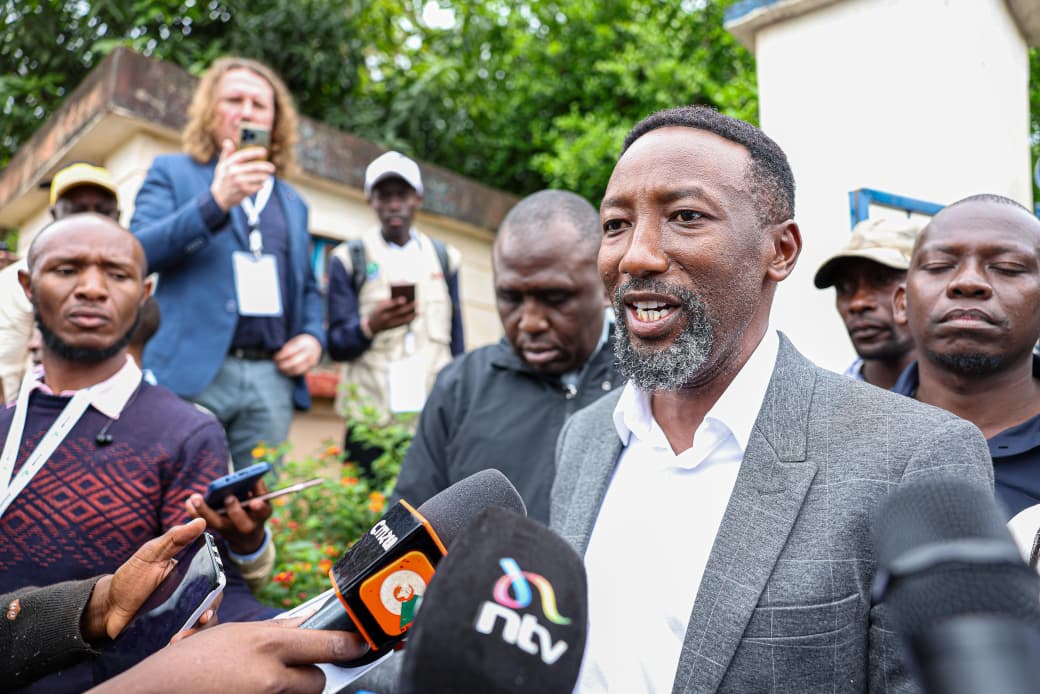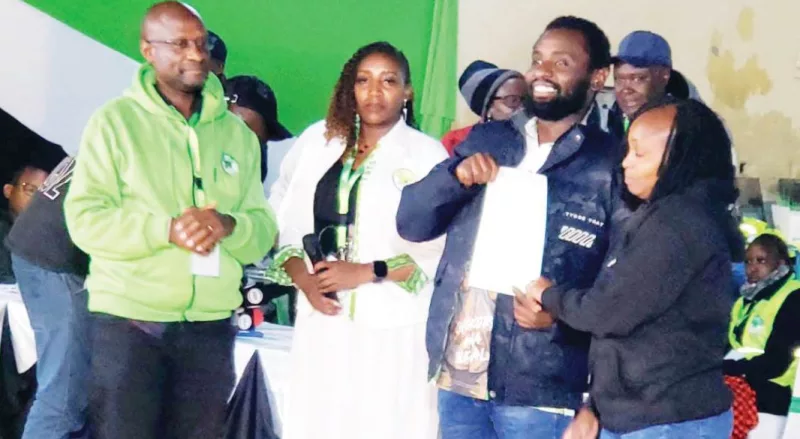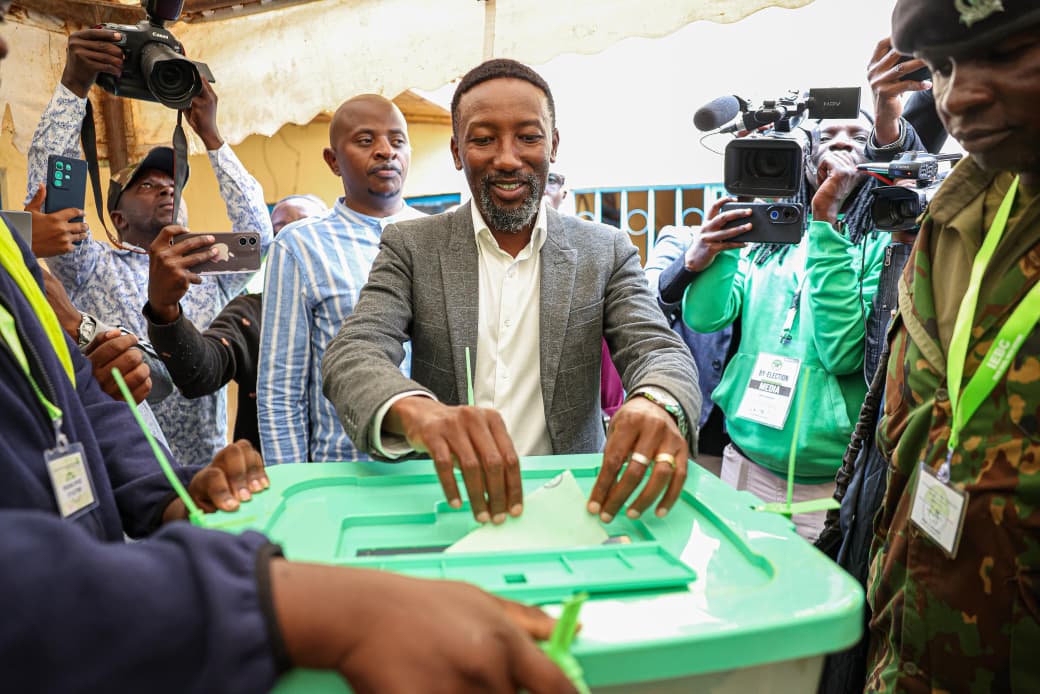
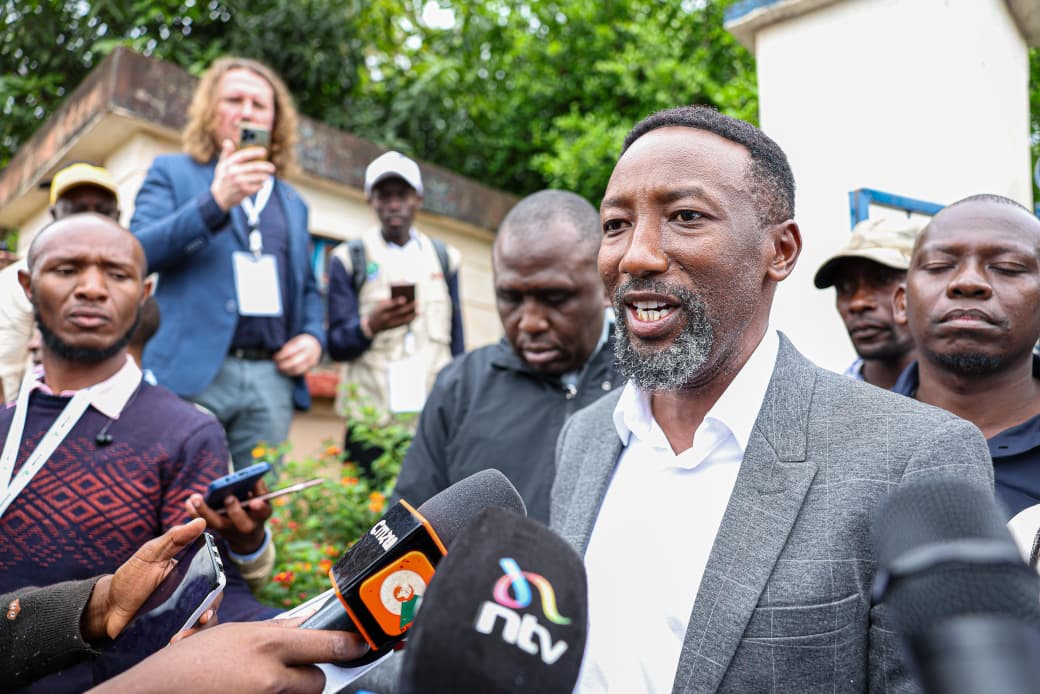
 Mbeere North MP-elect Leonard Wamuthende on November 27, 2025/COURTESY
Leonard Muriuki, “Leo wa Muthende,” has emerged as the new MP for Mbeere North after a bruising by-election that kept the constituency and political Nairobi on edge until the final tally.
The UDA candidate was declared the winner after scraping home with 15,802 votes, beating Democratic Party (DP) rival Newton Kariuki (popularly known as Karish), who polled 15,308, a margin of just 494 votes.
WHO IS HE?
Leonard Muriuki Njeru, better known on the campaign trail as Leo wa Muthende, is a local operator who recast himself as a UDA flagbearer in a seat vacated when former MP Geoffrey Ruku joined the Cabinet earlier this year.
Wamuthende ran on a development and continuity message: finish the roads, water reticulation,, and electricity projects that the national government has rolled out in parts of Mbeere North, and preserve constituency bursary programmes he said have helped families across the wards.
“We cannot afford to start from zero,” he told voters at one of his final rallies.
“Mbeere North deserves finished projects, not fresh promises. My work is simple: deliver what has already been started and push for more.”
He also leaned heavily on local credibility, reminding residents that he had “never been a visitor” in constituency politics and that he understood “the real issues behind every village road and every dry water point.”
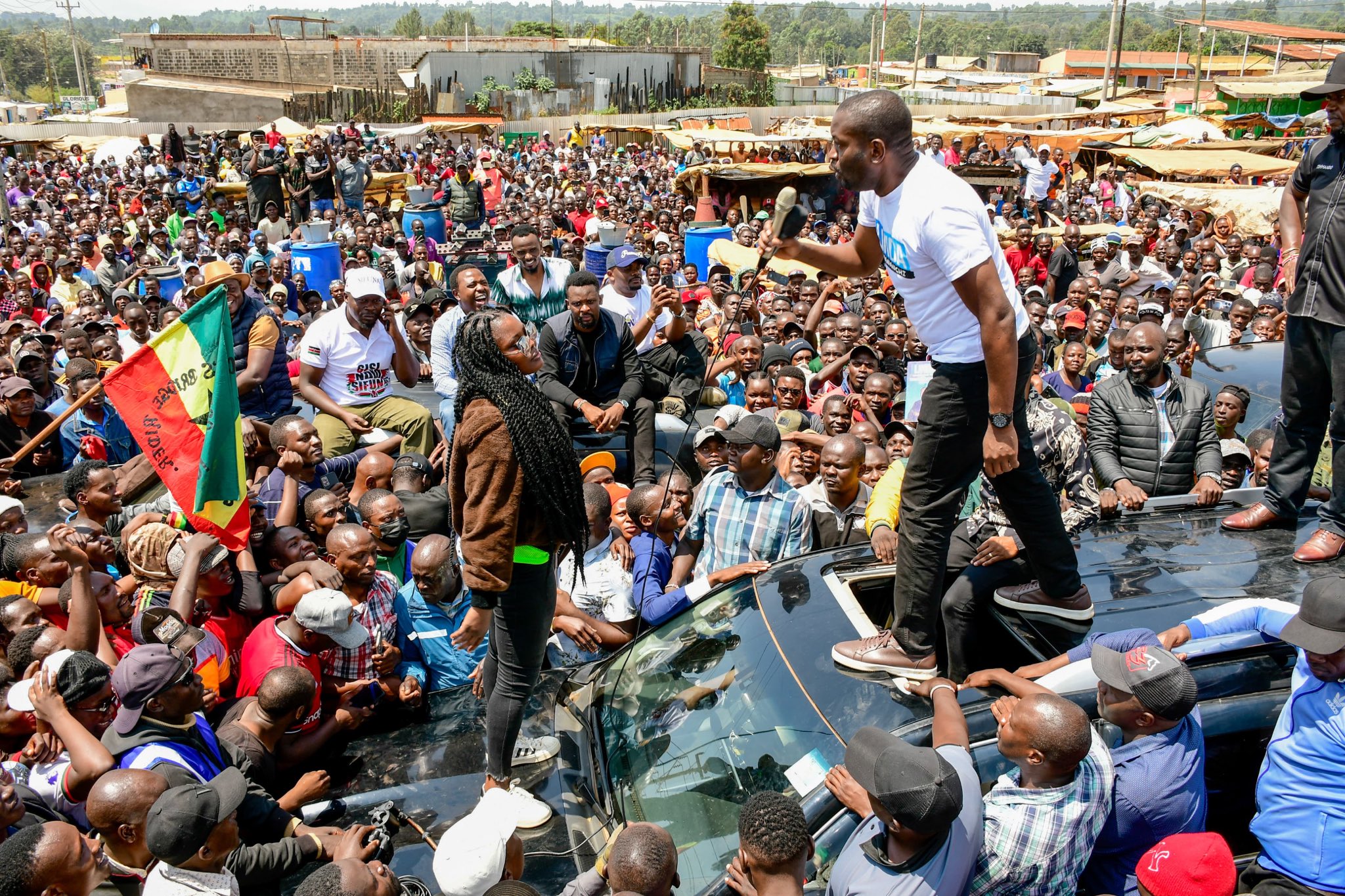
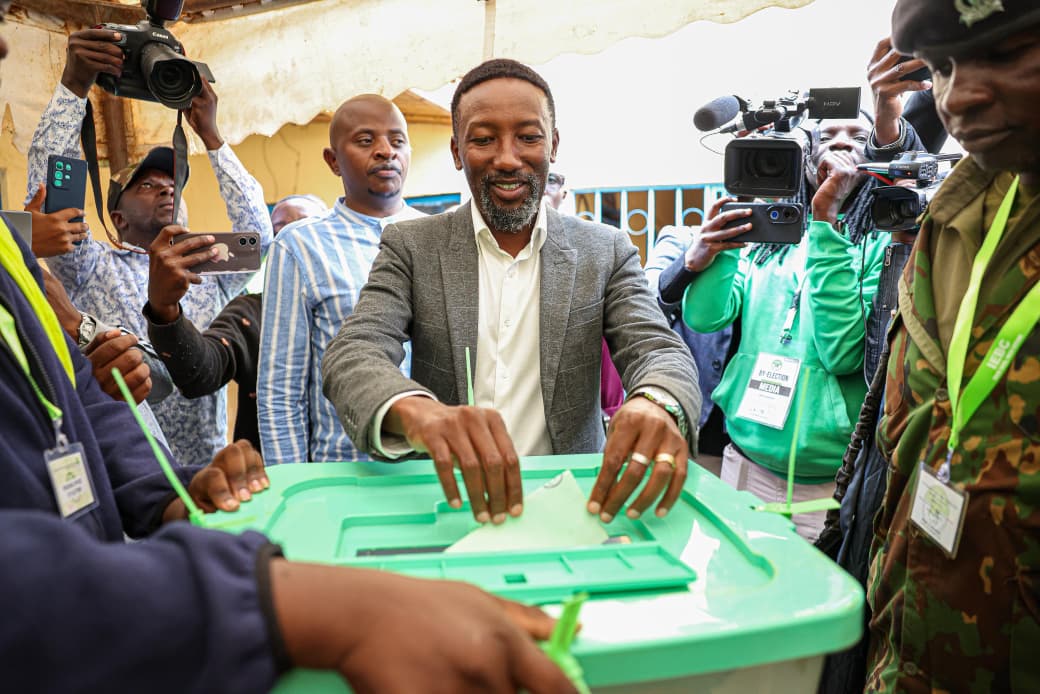 Leonard Wamuthende on November 27, 2025/COURTESY
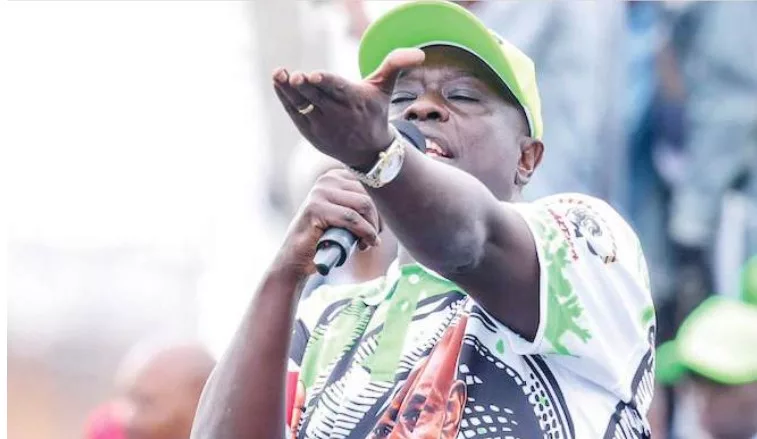
DCP leader Rigathi Gachagua, whose allies backed a rival candidate, countered that the election was “a reminder that Mt. Kenya must choose leaders who defend the community’s interests first.” As pressure mounted, Kindiki, whose home area borders Mbeere, camped in the constituency for days, drawing attention and online buzz, especially after videos of him confidently pronouncing “Wamuthende” trended.
What was expected to be a straightforward fight quickly morphed into a tense, neck-and-neck duel that gripped national attention. What began as a routine by-election escalated into a high-stakes political contest, with the race transforming into an unexpected proxy battle between Kindiki and Gachagua.
Each camp marshalled its political machinery, testing not only their influence in Mt Kenya but also their ability to rally local networks, energise grassroots teams, and shape regional loyalties ahead of 2027.
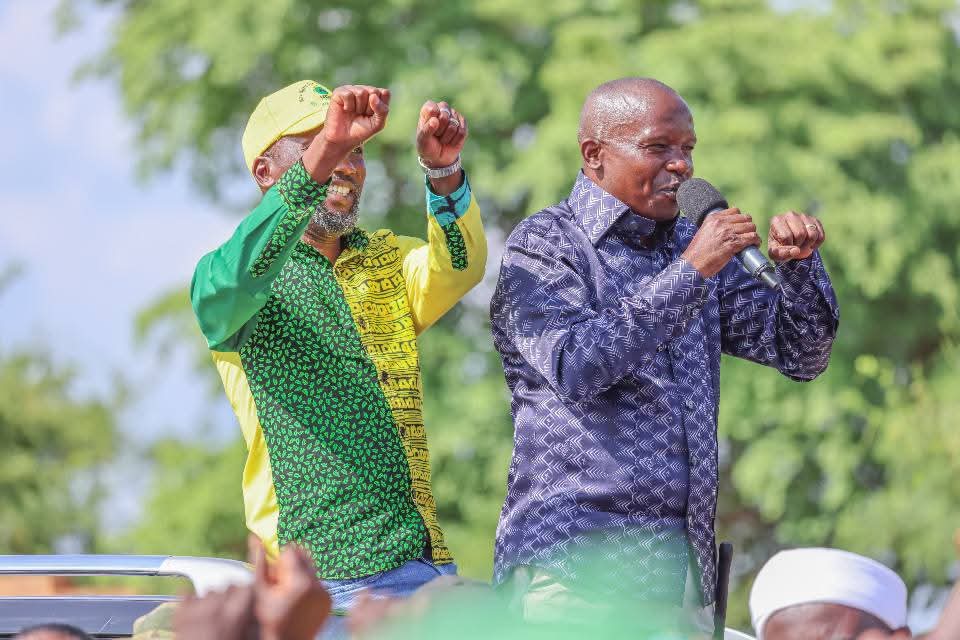 Deputy President Kithure Kindiki with UDA candidate in Mbeere North by-election, Leonard Wamuthende (Leo) during campaign stops in Ngiiri and Kyenire/DPCS
The narrow margins and heightened emotions underscored a shifting power dynamic in Mt Kenya, and signalled that the battle for regional supremacy is far from over.
Voters in Siakago, Kanyuambora, Mutuobare, and other centres turned out in steady numbers as both sides poured resources and star power into the contest. Counting saw tense scenes at the Siakago tallying centre, with jubilant UDA supporters erupting when the IEBC announced Wamuthende as the winner and a stream of national figures arriving to congratulate him.
He garnered 15,802 votes, with his close rival Newton Kariuki getting 15,308 votes. Observers say the razor-thin margin underlines how competitive Embu politics has become and will be watched closely as parties recalibrate ahead of 2027.
Kindiki, Ruku, and a full-blown ground operation Kindiki repeatedly led rallies for Wamuthende in the run-up to polling day, casting the contest as a referendum on delivering government projects and urging residents not to be “duped” by opponents he accused of trying to derail development.
Kindiki’s appearances were high-octane and, at times, viral, with clips of him cheering “WAMUTHENDE!” circulating widely and prompting thousands of reactions online. The deputy president later posted a celebratory message congratulating the winner. CS Ruku, the former MP whose promotion created the vacancy, was also omnipresent during the mini-polls. Ruku camped in the constituency, cast his vote publicly, and joined UDA supporters at the tallying centre.
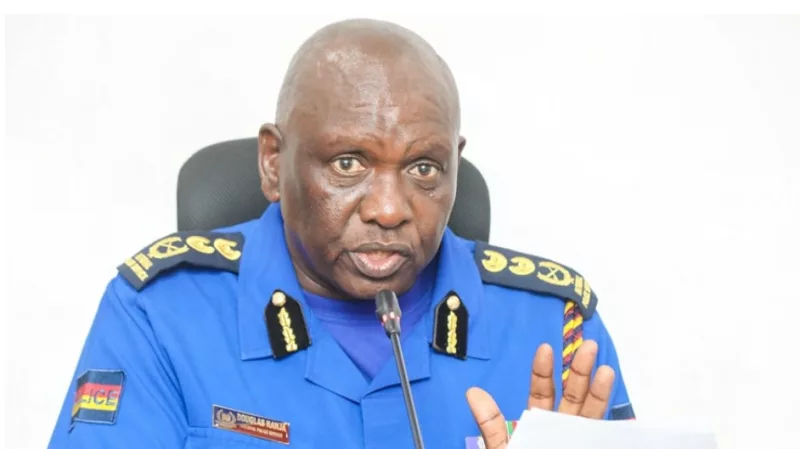
His presence, however, was not without controversy: there were clashes and accusations that his involvement amounted to interference. At one polling station in Kanyuambora, Ruku was reportedly accosted by angry residents who accused him of trying to influence the process; he has since publicly denied allegations of voter bribery and called for calm.
Part of the campaign’s oddball drama revolved not around policy but identity. Social media lit up in the days before the poll over Wamuthende’s name: critics circulated posts suggesting inconsistencies in how he is named in different records, while supporters argued the chatter was a smear tactic.
Wamuthende himself addressed the matter directly, saying the “Wamuthende” tag is a brand and that his identity documents, including a new national ID and a Gazette notice for any name change, are in order. “Wamuthende ni brand name, niko na kitambulisho, niko na stakabadhi zote, niko na Gazette notice,” he wrote, pushing back against the noise.
The episode generated memes, videos, and a stream of partisan commentary that underscored how even small details can become national talking points in tight races.
"We are supporting Wamuthende because we will work with him to complete projects being implemented by the government in this area,” Kindiki told rallygoers, arguing continuity would protect ongoing investments in roads and water. Ruku, responding to claims of vote-buying and interference, said he was in Mbeere North to support development and refuted accusations that the government was unduly influencing the process.
“I am very interested in this by-election because the development of the area matters,” he said in media interviews, while also urging peace after tense moments at some stations. Wamuthende, in his victory remarks, thanked residents for their trust and pledged to “unify the constituency” and work with both national and county governments to deliver for all wards, a standard post-win pledge but one that will be tested by the closeness of the result.
WHAT IT MEANS
Politically, the Mbeere North result is a short-term boost for UDA and Kindiki’s influence in parts of Embu, but the slim margin signals vulnerability.
Opposition forces, notably DP and its backers, showed they can compete head-to-head, and the post-poll controversies about names, alleged interference, and heated exchanges at polling stations will feed into broader debates about electoral conduct and party muscle ahead of the 2027 cycle.