EXPLAINER: Gigantomastia: The rare condition behind extreme breast growth
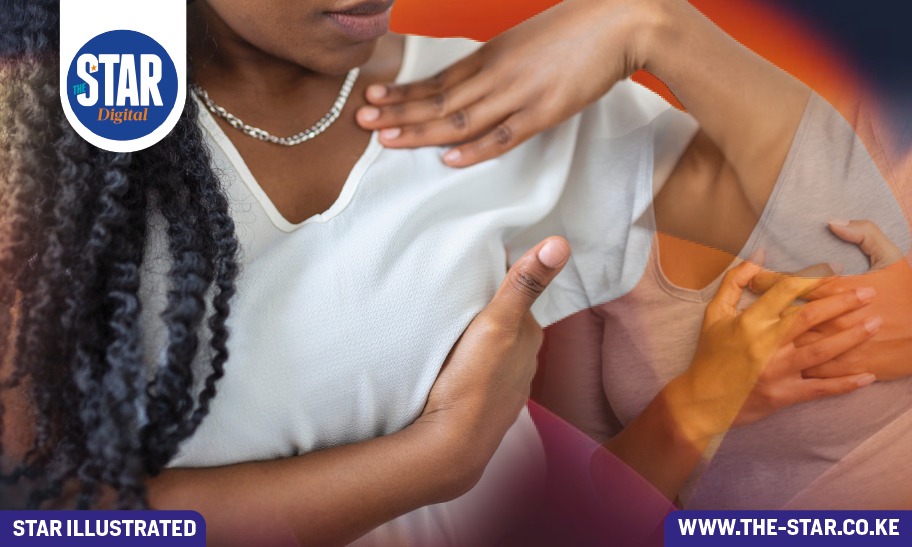
Gigantomastia (benign breast hypertrophy), is a rare disorder in which a woman’s breasts grow excessively
by ELISHA SINGIRA
Audio By Vocalize
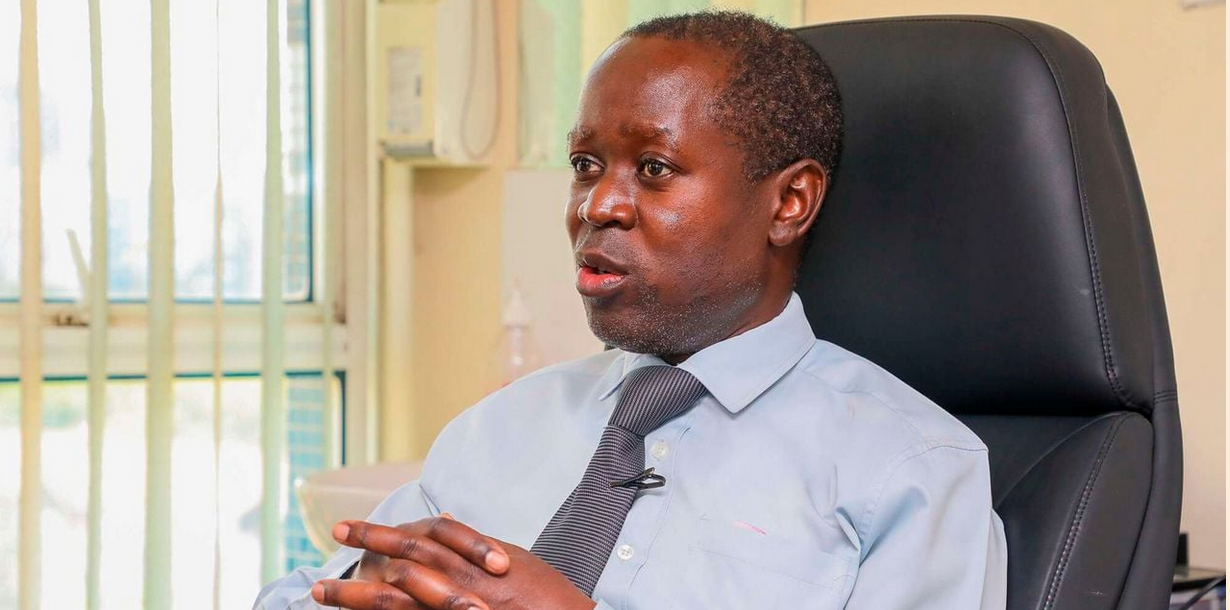
Dr
Benjamin Wabwire, a plastic and reconstructive surgeon at KNH and head of the
department of specialised surgery
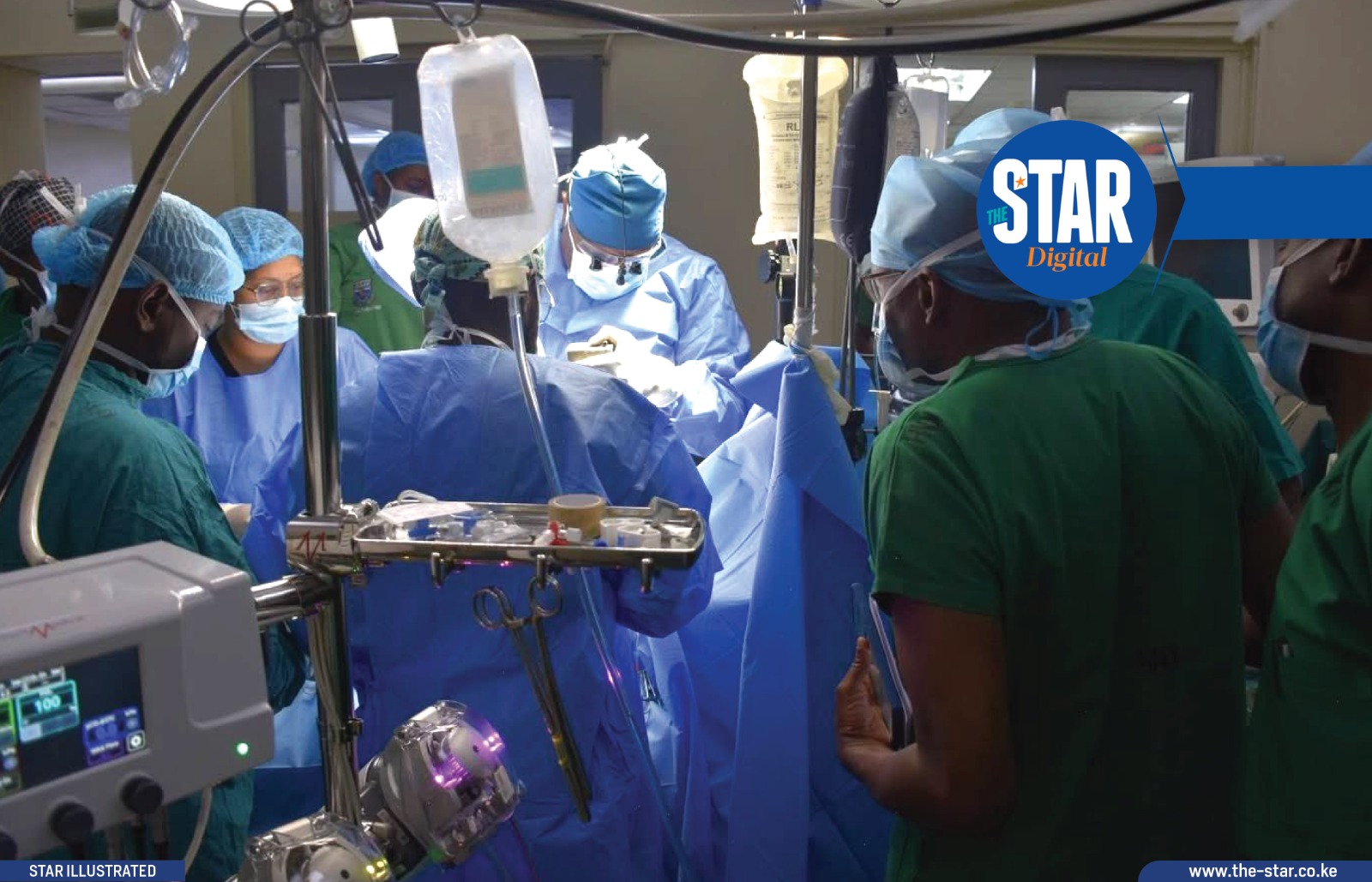
A young woman’s life recently changed after undergoing a rare surgery at Kenyatta National Hospital to treat gigantomastia, a condition that causes abnormal and excessive breast enlargement.
Gigantomastia, also known as benign breast hypertrophy, is a rare disorder in which a woman’s breasts grow excessively.
Dr Benjamin Wabwire, a plastic and reconstructive surgeon at KNH and head of the Department of Specialised Surgery, says the condition is non-cancerous but can cause severe physical and psychological problems.
“Gigantomastia is the abnormal enlargement of a woman’s breasts that is non-cancerous but can cause serious physical and psychological problems,” Dr Wabwire says.
“If it happens in males, it’s called gynecomastia, which is quite different but also involves breast enlargement.”
The exact cause of gigantomastia is not fully understood. Doctors broadly classify it into two main types depending on when it appears.
Juvenile gigantomastia occurs before the age of 20, often linked to genetics, hormonal imbalances or reactions to certain drugs.
Adult gigantomastia develops later in life, usually between the ages of 20 and 40, and may be associated with hormonal changes during pregnancy or breastfeeding.
“Some women have a strong family history—grandmothers, mothers, sisters with large breasts—which points to genetic causes. Hormonal stimulation from ovarian conditions or certain medications can also play a role,” Dr Wabwire explains.
The condition has both physical and emotional consequences. Women with excessively large breasts often experience chronic neck, back and shoulder pain caused by the weight of several kilograms on the chest.
The strain can lead to shoulder grooves from bra straps, poor posture and even a stooped gait.
Sleeping can also become uncomfortable, while skin ulcers and fungal infections may develop beneath the breasts due to trapped moisture.
“Carrying breasts weighing five to eight kilos each is like having a heavy load pulling on the shoulders throughout the day. It causes real pain and physical limitation,” Dr Wabwire says.
“Social stigma adds another layer, especially for younger girls with juvenile gigantomastia, who often face teasing and exclusion in school.”
Surgery remains the primary form of treatment.
At KNH, doctors conduct thorough assessments, including medical history, physical examination and imaging such as mammograms or ultrasounds, to rule out cancer and determine the extent of the condition.
“Surgery involves removing excess breast tissue and repositioning the nipple for a natural appearance,” Dr Wabwire explains.
In a recent case at KNH, a 17-year-old girl with juvenile gigantomastia underwent surgery in which doctors removed about 21 kilograms of breast tissue—roughly 37 per cent of her body weight.
The procedure offered her significant relief and improved her quality of life.
The delicate operation was led by Dr Benjamin Wabwire, Head of Specialised Surgery and Consultant Plastic and Reconstructive Surgeon at KNH.
Describing the procedure as both a technical and human triumph, Dr Wabwire said the operation went beyond medical achievement.
“This was more than a surgical success; it was the restoration of a young woman's dignity and future,” Dr Wabwire stated.
“Our team at KNH proved that with world-class skill and deep compassion, we can overcome even the most extreme medical challenges. We are not just treating conditions; we are transforming lives.”
Dr Wabwire says such surgeries carry risks due to the large amount of tissue removed and require close follow-up.
"After surgery, patients wear supportive bras and avoid vigorous exercise for several weeks to aid healing,” Dr Wabwire says.
Whether a woman can breastfeed after surgery depends on the type of procedure. If the nipple and surrounding tissue remain attached to their natural position, breastfeeding may still be possible.
If a free nipple graft is needed, that function may be lost.
Dr Wabwire says the global prevalence of gigantomastia is difficult to determine because breast size norms differ among populations.
“We lack precise incidence data, especially in Kenya and Africa, because most cases identified are those who seek medical treatment. Many women live with the condition without realising it or seeking help,” he says.
Misconceptions often prevent women from seeking care. Some view gigantomastia surgery as cosmetic, while others face cultural or religious objections.
“Many people think this surgery is about beauty or changing what God gave you, but it is fundamentally therapeutic—relieving pain and restoring normal function. Women need to understand this and not suffer silently,” he says.
Dr Wabwire calls for greater awareness and understanding of gigantomastia and for the health sector to allocate more resources to help affected women.
“Gigantomastia is a real medical condition that severely affects quality of life. Seeking help early can change lives. Communities and policymakers should support efforts to provide better access to surgical care,” he concludes.
This is premium content
Subscribe to Continue Reading
Help us continue bringing you unbiased news, in-depth investigations, and diverse perspectives. Your subscription keeps our mission alive and empowers us to provide high-quality, trustworthy journalism. Join us today to make a difference!