MPs have exposed deep-rooted challenges
hindering the delivery of health services under the new Social Health Authority.
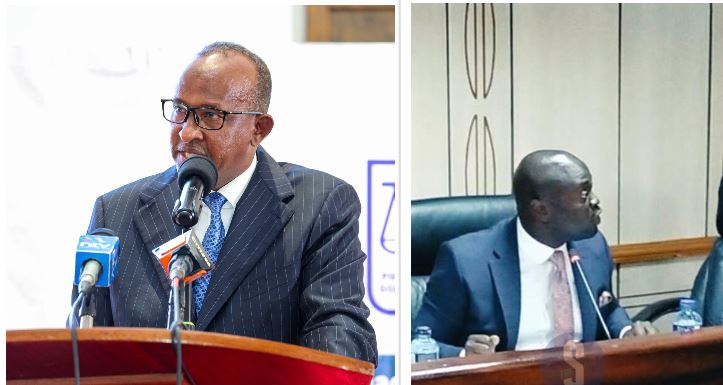
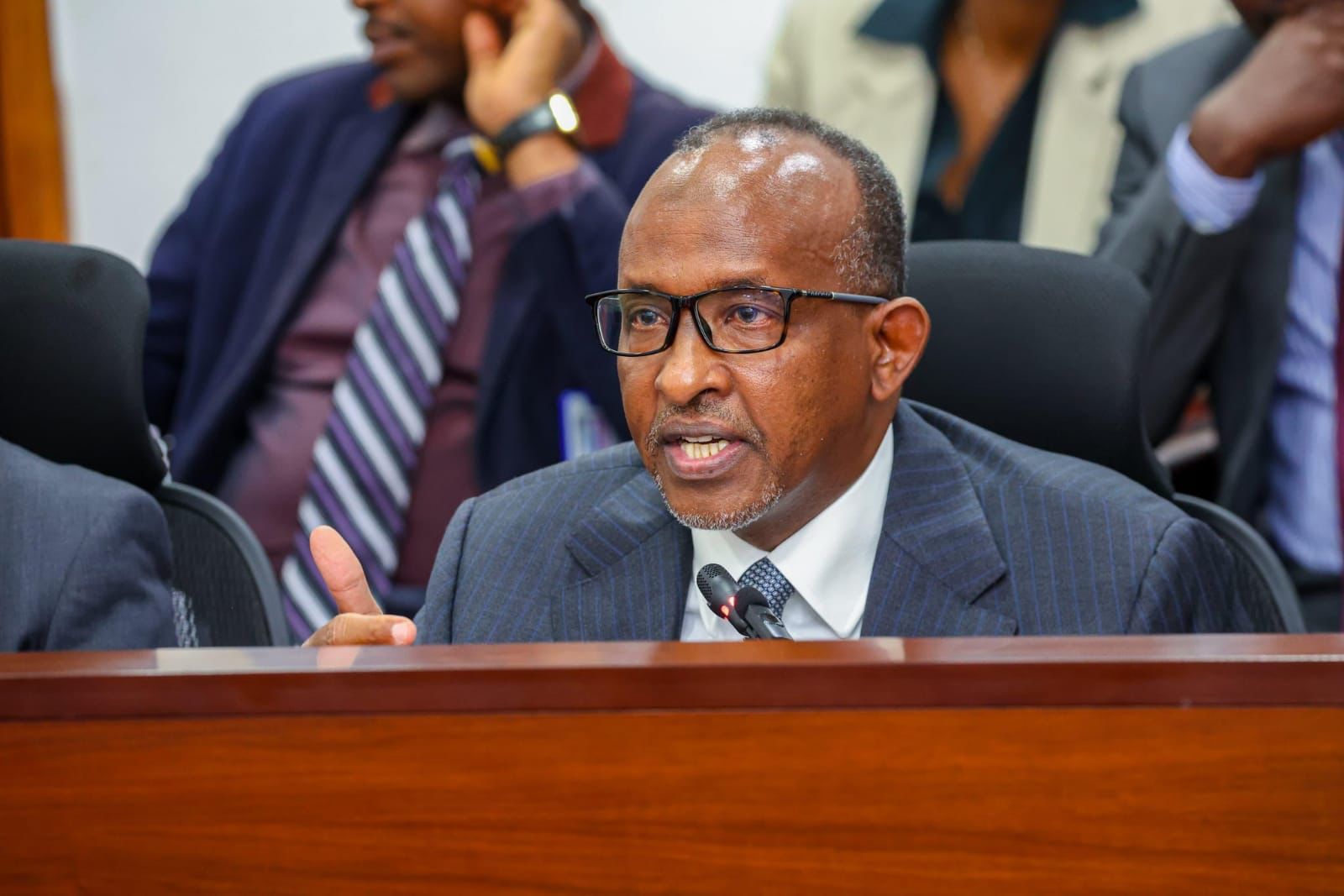
The revelations came as Health CS Aden
Duale defended the Taifa Care programme, describing it as a game changer
in Kenya’s healthcare system.
In a report tabled by the National Assembly’s Health
Committee, the panel outlined numerous obstacles impairing the smooth rollout
of the programme.
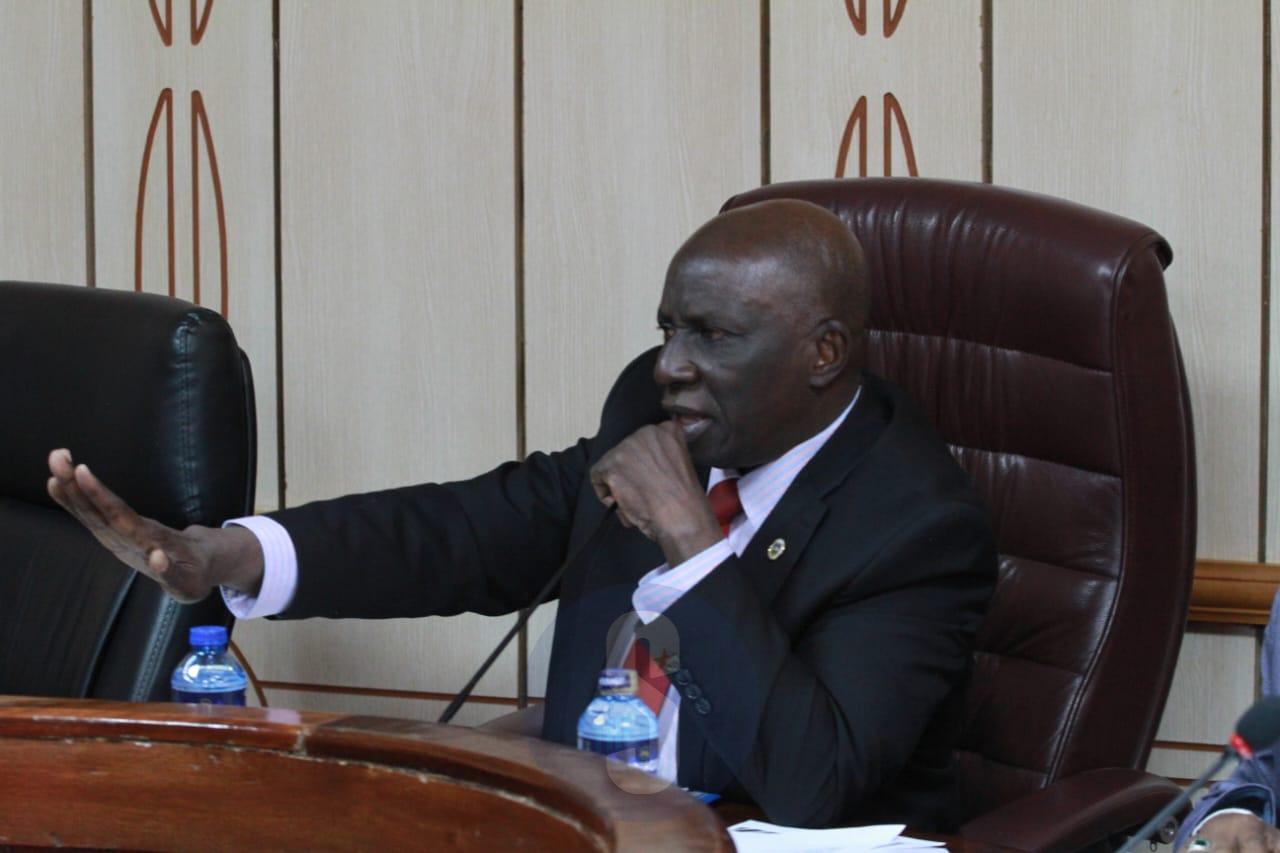
The committee, chaired by Seme MP James Nyikal, identified 19 challenges delaying the implementation of the scheme.
The report cited issues such as delayed and withheld
payments, arbitrary rejection of claims, ICT system failures, exclusion of
vulnerable populations, tariff misalignments and a limited benefits package.
Other challenges included delayed reimbursements to
facilities, erroneous payments, governance gaps, difficulties in identifying
indigent persons and delays in establishing a functional claims management
office.
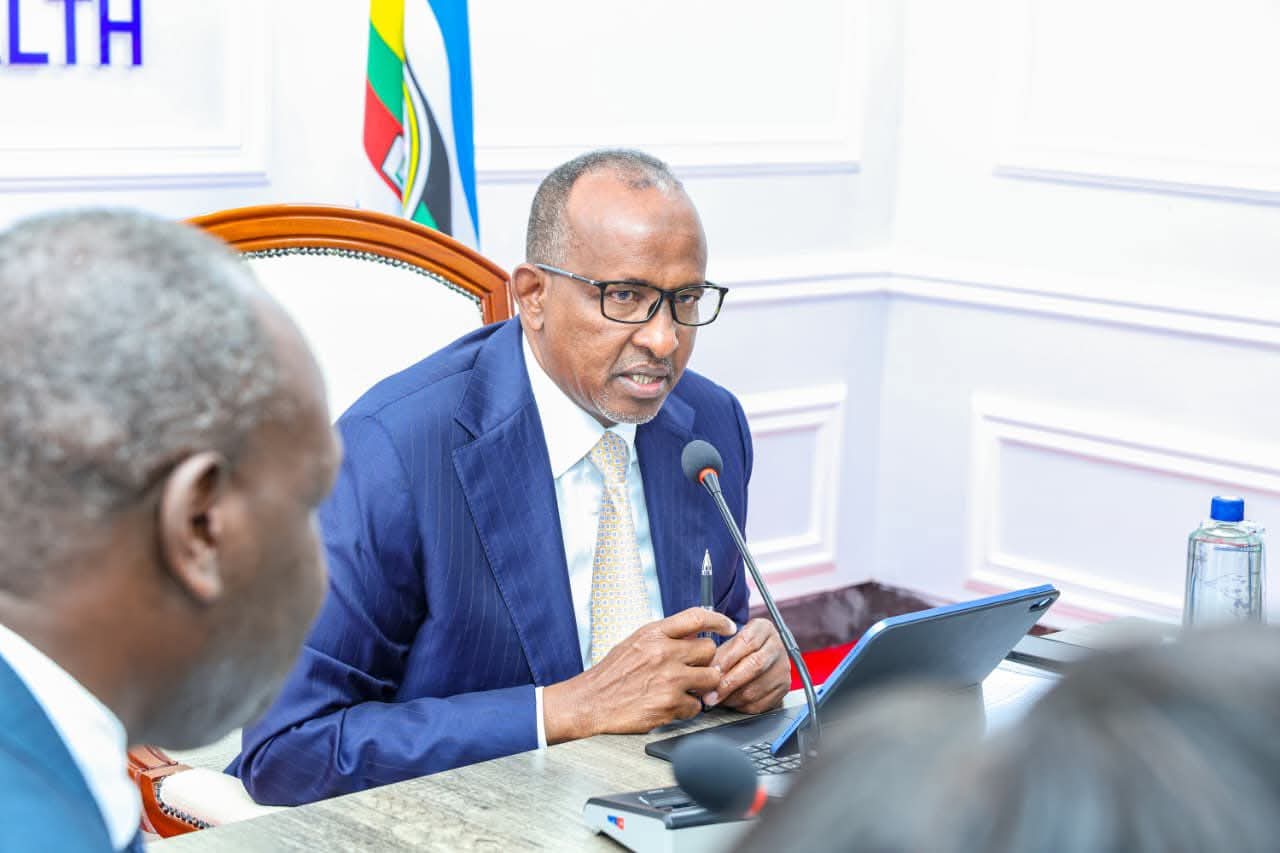
Speaking during a meeting with CS Duale and the Council of
Governors at Parliament Buildings in Nairobi, Nyikal said the committee
compiled the report after visiting 10 health facilities across selected
counties.
The facilities visited were Ladnan Hospital Ltd and Mbagathi
County Hospital in Nairobi county; and Matata Nursing Hospital, Nyandiwa Level
4 Hospital, St Elizabeth Swindon, Rachuonyo County Hospital and Nyandiwa Health
Centre in Homa Bay.
Others were St Mary’s Hospital, Mumias, in Kakamega; Nyahururu
County Referral Hospital and Sipili Hospital in Laikipia; and PCEA Tumutumu
Hospital and Nyeri County Referral Hospital in Nyeri.
According to the report, reimbursements to health facilities
through SHA have been inconsistent, with some months recording no disbursements
at all.
A substantial backlog of arrears from the defunct NHIF also
remains unresolved, while approved claims under SHA continue to pile up.
“Moreover, the committee noted a lack of transparency in
SHA’s payment systems, as reimbursements are often issued as lump sums without
breakdown by fund type,” the report states.
The committee also raised concerns about the high rate of
claim rejections, even in cases where health facilities had provided adequate
documentation.
“Hospitals reported the absence of a clear and transparent
mechanism for claim resubmission, with feedback on rejected claims often
delayed well beyond the 90-day statutory period,” the report adds.
The committee found that SHA’s overreliance on AI-driven
claim processing and approval—without sufficient human oversight—has led to
unjust denials, resulting in significant financial strain on facilities.
The SHA ICT system, the MPs noted, experiences frequent
downtimes—sometimes up to four times a month—disrupting hospital operations and
delaying services.
“Biometric verification challenges were also highlighted,
particularly for patients without ID cards or those with faint fingerprints,”
the committee stated.
Delayed and rejected claims have strained hospitals
financially, leading to strikes, low morale, and an overreliance on volunteer
workers.
The report cited St Mary’s Mumias Hospital, which is owed Sh19.2
million. Several facilities, the MPs noted, have been forced to suspend
admissions due to system malfunctions.
Additionally, vulnerable groups such as teenage mothers
remain marginalised in accessing SHA benefits. Teenage mothers without IDs,
prisoners, indigent persons, and individuals with chronic conditions continue
to face barriers to coverage.
“The requirement for lump sum annual premium payments has
further excluded many poor households, undermining the principles of equity and
Universal Health Coverage,” the report says.
The committee also pointed to the absence of a clear
national framework for identifying and enrolling vulnerable populations,
particularly teenage mothers.
It further highlighted discrepancies between the actual cost
of care and SHA reimbursement rates, with some packages failing to meet the
true cost of service delivery. For instance, SHA pays Sh30,000 for cesarean
deliveries.
“The benefit packages and tariffs undermine quality service
delivery and discourage providers from offering specialised care,” the report
reads.
The MPs also flagged erroneous SHA payments that have
strained health facilities financially. For example, the Nyeri County Referral
Hospital reportedly lost more than Sh16 million to a neighbouring private hospital
due to payment processing errors, with recovery efforts proving unsuccessful.
The committee further noted governance and coordination gaps
among key regulatory agencies, including Kenya Medical Practitioners and Dentists Council (KMPDC), SHA, the Digital Health
Authority and county governments.
It added that inadequate training on the SHA system among
health facility staff has contributed to inefficiencies in claims processing
and service delivery.
The MPs also cited frequent stockouts of essential
commodities due to delayed supplies from Kemsa, whose fill rate stands at just
30 per cent.
“The resulting shortage of drugs, oxygen, and critical
consumables has compromised patient care and contributed to preventable
deaths,” the report warns.
In addition, the committee said SHA has yet to establish a
clear and transparent mechanism for identifying indigent and vulnerable persons
through means testing. Consequently, many deserving citizens remain excluded
from social health protection, undermining the goal of UHC.
In his response, CS Duale lauded the programme, saying it
has transformed healthcare delivery across the country.
He revealed that about 7.3 million informal sector members
have undergone means testing, with an average premium contribution of Sh660.
According to Duale, SHA has collected Sh673.8 million since
its launch in June this year from 323,629 “Lipa Pole Pole” members, some of
whom contribute as little as Sh10 per day.
“Under the Social Health Insurance Act, contributions for
the informal sector are to be paid annually. This was meant to address the
great challenge of adverse selection,” the CS said.
He said the requirement for annual contributions—under
Section 27 of the Social Health Insurance Act, 2023—is justifiable and
proportionate as a measure to prevent adverse selection.
Duale further explained the annual payment model allows
new and reinstated members to access services immediately, eliminating waiting
periods that often act as barriers to care.
“Waiting periods are often regarded as barriers to access in
social health insurance schemes. Their removal reflects SHA’s commitment to
promoting equity and uninterrupted access to care,” he said.
On delayed payments and pending arrears, Duale told MPs that
SHA pays providers on the 14th day of each month. He attributed delays to
incomplete or improperly filled claim documents, missing signatures, incorrect
patient details, and incomplete medical records.
“Before settlement, claims must be verified and adjudicated
by SHA to confirm that they are complete, accurate, and properly supported,” he
said.
He disclosed that SHA is conducting a comprehensive arrears
verification exercise, jointly with providers, to review resubmitted claims and
ensure fairness and accuracy.
INSTANT ANALYSIS
CS Aden Duale also revealed that the Social Health Insurance
Fund (SHIF)—a component of SHA—has so far collected Sh79.2 billion. To enhance
flexibility and affordability, especially for informal sector members, SHA has
introduced the Lipa Pole Pole platform, which allows contributors to pay
in manageable instalments—covering the first four months upfront, and then
choosing to pay daily, weekly, or monthly thereafter.