The Media
Council of Kenya (MCK) is pushing for a Sh1.5 billion allocation to roll out an
artificial intelligence-powered monitoring system aimed at tightening ethical
oversight in the media industry.
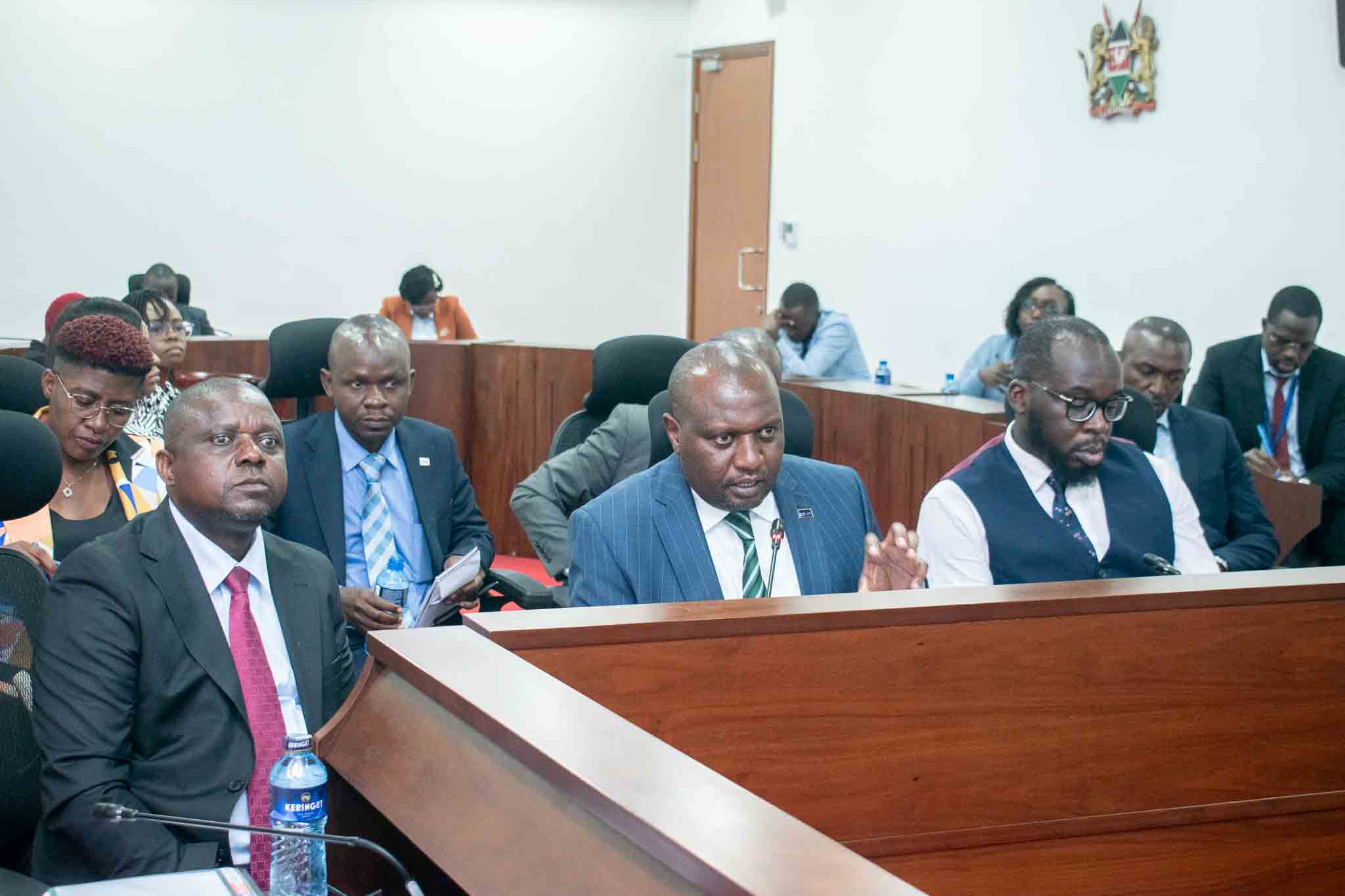
Appearing
before the National Assembly’s Committee on Communication, Information and
Innovation on Tuesday, MCK officials underscored the need to modernise the
council’s monitoring capacity to ensure licensed broadcasters adhere to
professional standards.
CEO David
Omwoyo pointed out that Kenya currently has about 250 television stations, many
of which broadcast in vernacular languages.
Noting
this, he said the existing monitoring framework, which relies heavily on human
analysts, cannot effectively cover the growing number of outlets nationwide.
“This gap
calls for an urgent and strategic investment in an advanced system capable of
delivering comprehensive, real-time monitoring to safeguard ethical
compliance,” Omwoyo told MPs.
He
explained that the proposed AI system would make it possible to flag unethical
content instantly, especially from vernacular stations that have historically
been difficult to track.
Presently, the council depends on 37 analysts who manually monitor media output
and escalate violations.
MCK also
disclosed that it had recorded 84 incidents of press freedom violations between
January and September 2025.
These
included 56 cases of physical assault on journalists, mostly during
anti-government demonstrations and political functions.
Other
violations reported were 16 cases of intimidation, eight of censorship, three
arrests and one abduction.
According
to the council, male journalists bore the brunt of the attacks, accounting for
65 cases, compared to 19 involving women.
The
majority of the violations were blamed on police officers (65), followed by
hired gangs (28).
Government
officials, including Cabinet Secretaries and county officers, were linked to 15
cases, while protesters, teachers, politicians, a governor and a magistrate
were also cited.
Committee
chair John Kiarie emphasised the importance of Parliament’s involvement in
shaping policies and regulations that govern the media space.
“The
narratives shaping our world today are increasingly driven by algorithms and
platforms outside traditional newsrooms,” he said.
“Parliament
must strike a balance between protecting Kenyans from misinformation and
upholding a free, responsible press.”
The committee further resolved to work with the Media Council and the Centre for Parliamentary Studies and Training (CPST) to enhance legislators’ media literacy ahead of the next elections, while encouraging media houses to embrace digital transformation.