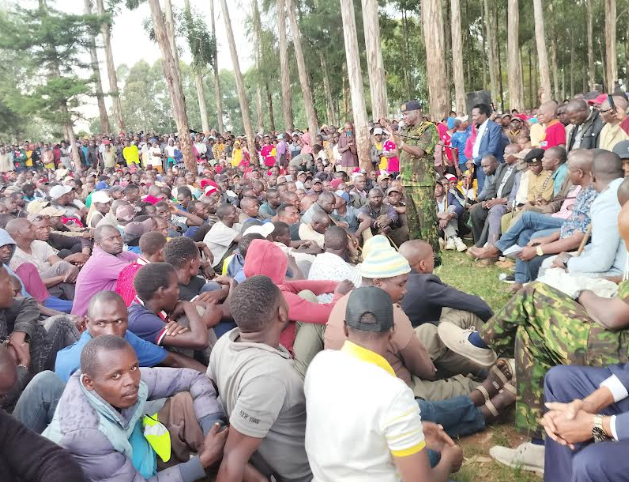
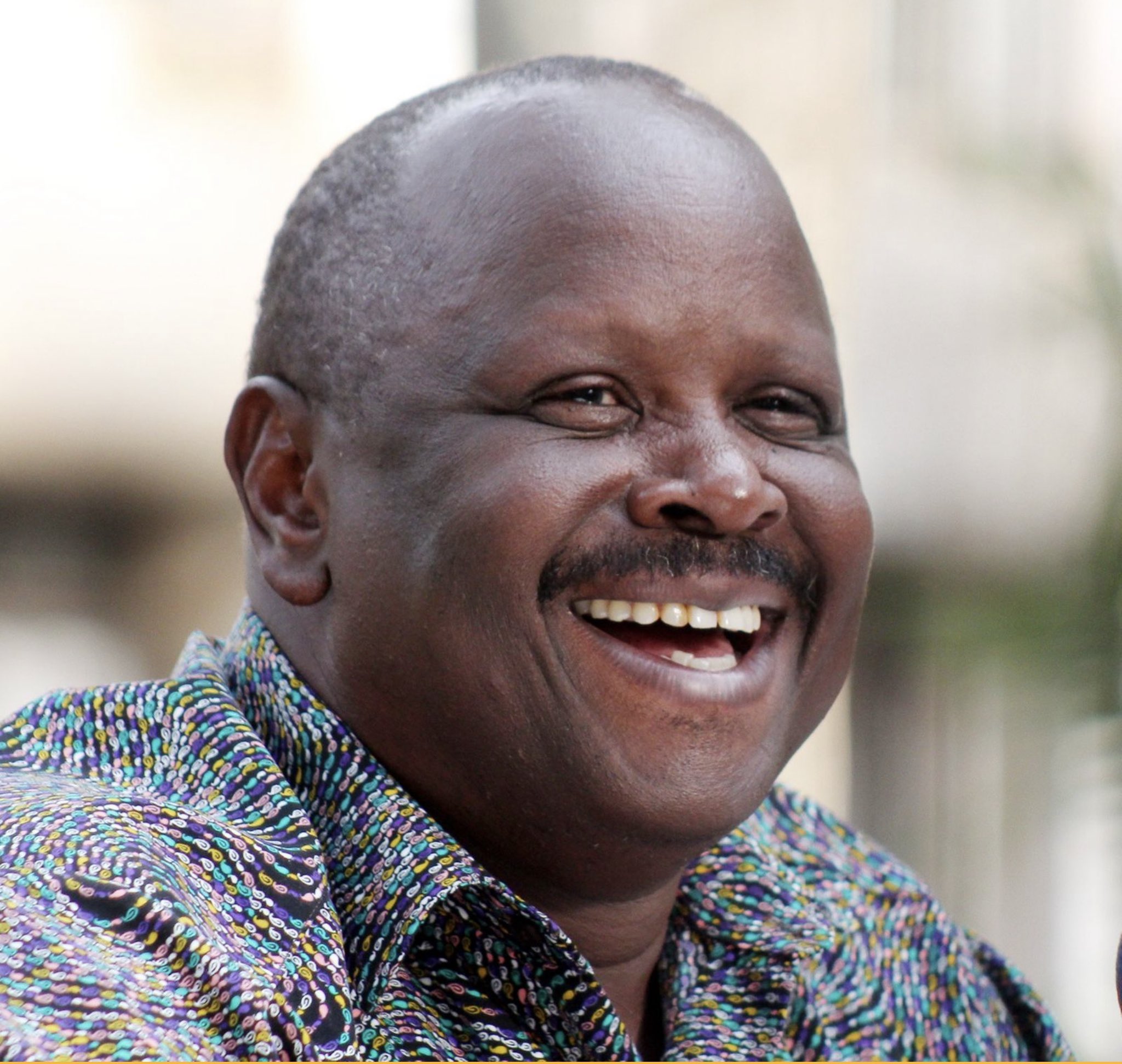
As the clock ticks toward the 2027 general election, Bomet county is emerging as a battleground where political veterans, ambitious legislators and wealthy newcomers are angling for the governor’s seat.
With Governor Hillary Barchok serving his second and final term, the race is wide open — and the stakes are high in a county long considered a Rift Valley political hotspot.
Since 2017, Bomet has been the stage for a fierce supremacy battle between President William Ruto and former governor Isaac Rutto.
Once a dominant figure in South Rift politics, Rutto fell out with President Ruto during the Jubilee era, a rift that cost him dearly with back-to-back defeats in 2017 and 2022.
Now, the former Council of Governors chair is plotting a comeback. Having folded his Chama Cha Mashinani party and reconciled with President Ruto, he has been traversing the county, attending church functions and fundraisers, and openly declaring that he will run on the UDA ticket.
His allies argue his experience and development record make him a natural choice, while critics dismiss him as a spent force clinging to past glory.
But Rutto is not the only contender. Konoin MP Brighton Yegon, youthful and vibrant, has quietly been positioning himself as a strong challenger.
His record in managing NG-CDF projects and his vocal advocacy for tea farmers, have built him a loyal base. Political observers say his closeness to UDA’s inner circle makes him a potential “system candidate,” though his hesitation to formally declare his bid has raised questions about his strategy.
Adding intrigue is Nairobi-based businessman Michael Bongei, better known locally as “Mr Money Bags.” Bongei has pumped resources into community fundraisers and empowerment programmes, unsettling established politicians who initially dismissed him as a passing cloud.
His supporters hail him as a fresh, development-focused leader with no political baggage, while skeptics question whether his philanthropy-driven campaign is sustainable.
Also expected in the race is Julius Kones, the former Konoin MP and parastatal boss, who has twice fallen short of the governor’s seat. Respected for his sober style of politics, Kones retains pockets of support, but in a crowded field, consolidating his base will be an uphill task.
What makes the Bomet race especially significant is not just who wins, but what the outcome says about the county’s political direction. Will voters reward experience or opt for generational change? Will wealth and philanthropy translate into genuine support, or will party machinery and grassroots loyalty prevail? And, perhaps most crucially, does state alignment still guarantee victory in a region that has often mirrored national power dynamics?
For now, the field is fluid, but one thing is clear: Bomet is once again set to deliver one of the most riveting contests in the South Rift — a race where old rivalries, youthful ambition and the power of money politics will collide as 2027 draws closer.
Instant analysis
The Bomet governor’s race will likely hinge on shifting voter behaviour rather than mere party loyalty. With a youthful electorate dominating the county, generational appeal and grassroots presence could outweigh nostalgia for past leaders. Isaac Rutto is banking on experience and reconciliation with UDA, but his long absence from power may dull his edge. Brighton Yegon’s energy and record resonate with young and tea-farming voters, though delays in declaring may cost him momentum. Meanwhile, Michael Bongei’s philanthropy-driven politics test whether voters value clean-slate outsiders or proven administrators. Ultimately, Bomet voters appear restless, demanding relevance over rhetoric.