ODM leader Raila Odinga could be planning to run
again for the presidency.
The veteran politician is busy rebuilding his
20-year-old party and recruiting new members as preparations for the 2027
elections begin to take shape in earnest.
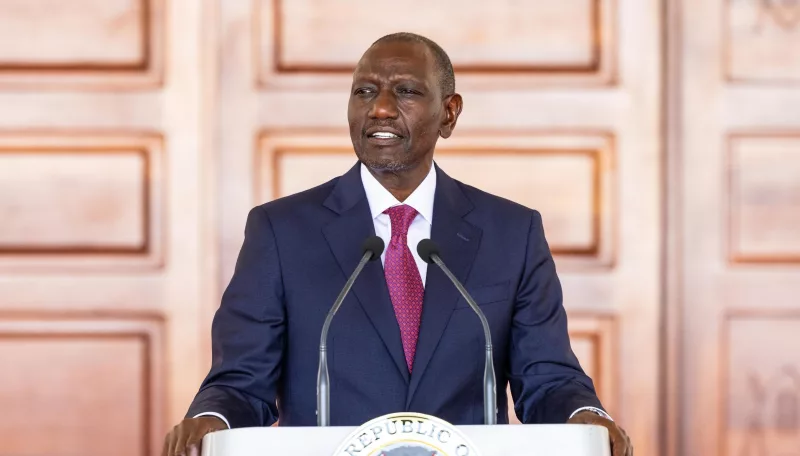
Although Raila is currently working with
President William Ruto in the broad-based government, he has consistently
stated that this arrangement is only until 2027.
"While Mzee has not told us he will contest
the presidency in 2027, there are people in the party who are telling him that
he should prepare to run," a senior aide close to the ODM leader said.
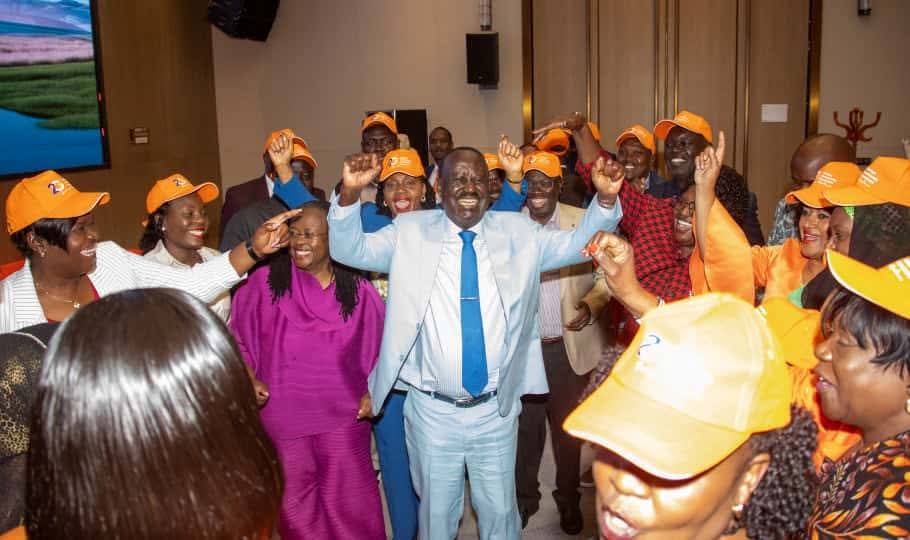
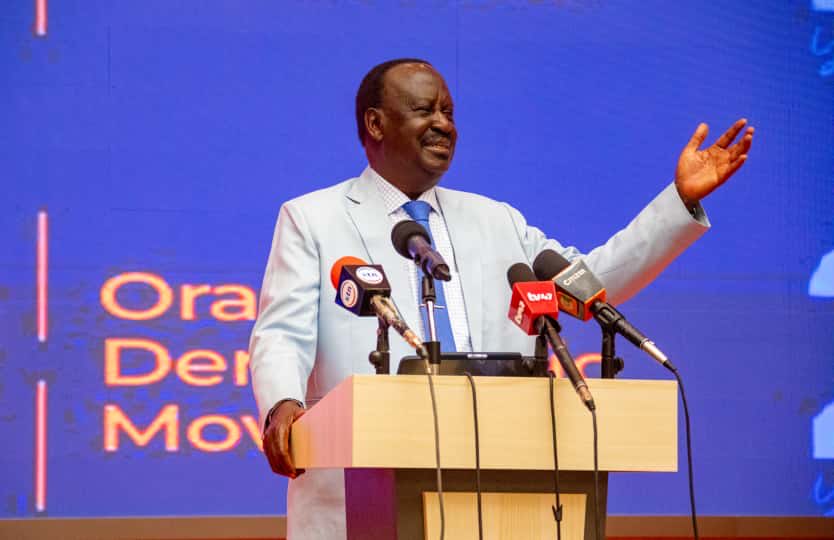
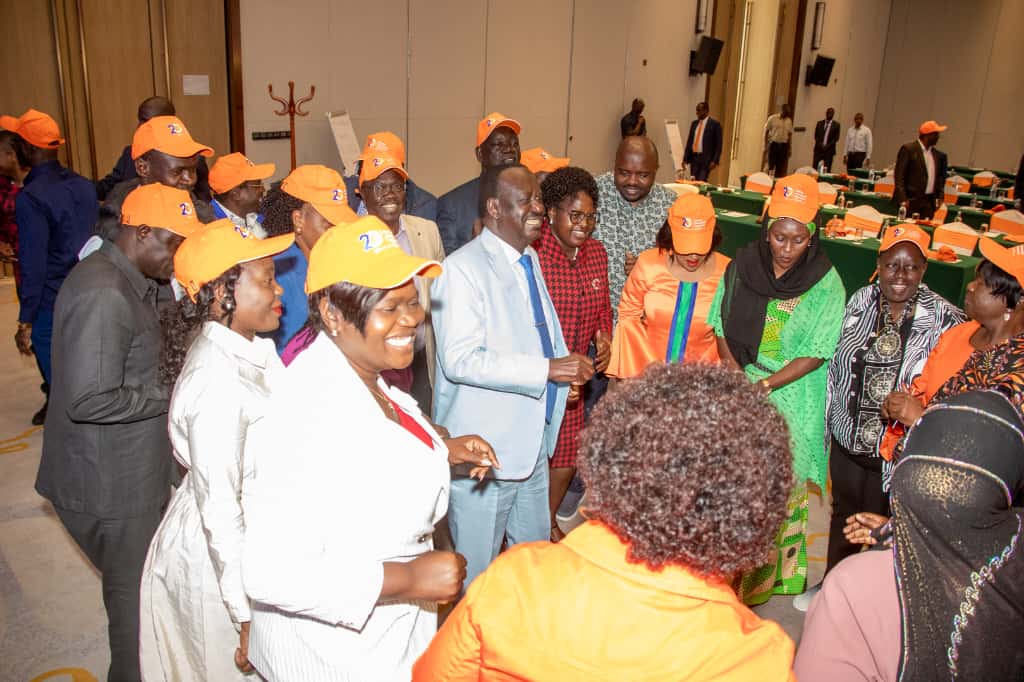
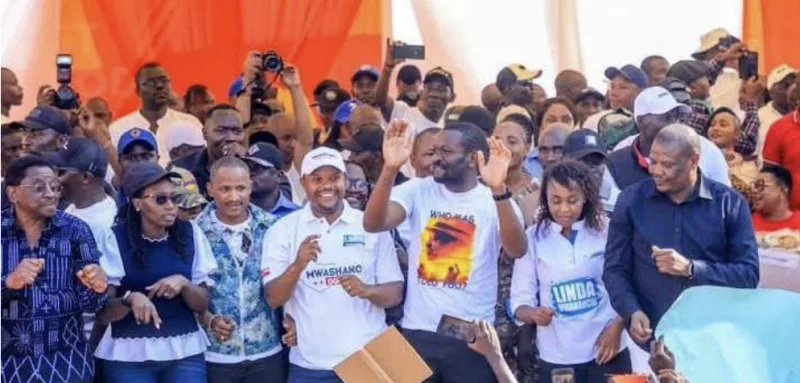
The Orange Democratic Movement’s 20th
anniversary celebrations, slated for next month in Mombasa, promise to be far
more than just a birthday party.
Behind the fanfare lies a calculated political
strategy to revitalise Raila’s political machine ahead of the approaching
general election. The three-day event, billed as both a commemoration of
resilience and a display of political strength, comes at a critical moment for
the Raila-led party.
At the heart of the strategy is building a
formidable political machine capable of negotiating for an equal share of power
with President Ruto before and after the 2027 polls, including the coveted
position of running mate. The anniversary comes as ODM quietly rolls out
grassroots elections across the country, shoring up its internal structures.
Financially, the party is well-placed to fund
its activities, having received Sh421 million from the Political Parties Fund
this year. Additionally, ODM is pressing the government for arrears exceeding
Sh12 billion, which it argues remain unpaid.
Insiders indicate that the Mombasa bonanza
carries a dual purpose: projecting unity and strength within ODM while sending
a message of readiness to rivals. Analysts see it as an early test of the
party’s mobilisation capacity ahead of the polls. Mombasa Governor Abdulswamad
Nassir, ODM’s deputy party leader, describes the fete as both a milestone and a
statement of intent.
“It will be a show of 20 years of resilience, of
being there for the people—20 years of social democracy,” Nassir told the Star
in an exclusive interview, outlining the vision behind the celebrations.
The celebrations will not only highlight the
party's past but also focus on engaging key demographics, particularly women
and youth. A dedicated women's convention will emphasise the role of women in
the struggle for democracy and social justice, while a youth concert will
celebrate the Orange spirit. Additionally, a football tournament featuring
clubs like Shabana FC, Gor Mahia, AFC Leopards, and Bandari FC will culminate
in a match against "Chungwa Combined," a team of ODM officials and
members.
Perhaps most telling is the founders' dinner,
where political figures who have diverged from ODM's path, including President
Ruto and Wiper leader Kalonzo Musyoka, have been invited. Nassir confirmed that
Ruto and Kalonzo are among the invitees expected to attend.
“He [Ruto] is a founder member, so he is
invited. We expect them to join us to celebrate our achievements,” he said.
Beneath the surface of unity and celebration,
however, ODM confronts significant internal challenges. The party’s precarious
position, officially part of the broad-based government yet struggling to
maintain its opposition identity, has caused divisions among members. The union
has created visible fissures, with some officials openly criticising the
alliance. Secretary General Edwin Sifuna has even threatened walkouts from the
deal over UDA's failure to implement the agreed-upon agenda fully.
Governor Nassir dismissed the tensions as
natural, stating, “I don’t call them upheavals. Sometimes when you want to
chew, you can end up biting your tongue or lip. It doesn’t mean that the
tongue, the teeth, and the lips perform different functions.”
For ODM insiders, the anniversary celebrations
serve as an opportunity to seal the perceived cracks and present a unified
front. They believe it will strategically position ODM as a mature political
entity capable of managing political differences.
As per the schedule, the events point to
preparations for the 2027 general elections. By inviting President Ruto and
other Kenya Kwanza principals, it can be deduced that the party is keeping the
door open for continued cooperation.
Ruto and Raila have been giving strong hints
that their parties could be on the path to forming a coalition vehicle ahead of
the elections. Quarterly Kenya Kwanza-ODM parliamentary group meetings to
review the implementation of the two parties’ 10-point agenda underscore this
working pact.
The regional build-up events preceding the main
celebration offer insights into ODM's electoral strategy. An activation was
held in Wajir on Saturday, with a similar one planned for Kisii this Friday,
signaling ongoing grassroots mobilization efforts.
The focus on Kisii is particularly telling,
given the region's emergence as a battleground due to ex-Interior CS Fred
Matiang'i's presidential ambitions. Matiang'i has declared his intention to
challenge President Ruto, potentially splitting votes that might otherwise go
to an ODM-backed candidate.
In addition to the political maneuvers, ODM aims
to reclaim its ideological roots with an emphasis on social democracy,
inclusivity, and recognition of the “martyrs of the struggle.” The party has
planned a “special remembrance for the martyrs of the struggle,” where hundreds
who died in protests will be honoured.
Political analysts say that, geographically, the
celebrations reveal a strategy focused on consolidating traditional strongholds
while making inroads into contested territories.
The choice of Mombasa as the main host city is
viewed as equally strategic, aiming to reinforce the Coast region as an ODM
stronghold amid growing competition from Kenya Kwanza's outreach efforts.
“It appears they want to retain their bases for
trade-ins during the 2027 coalition planning talks,” commented Prof Olang Sana
of Maseno University. Hosting the main events in Mombasa aims to solidify
support in the coastal region, where ODM faces challenges of local dissent.
Though not stated explicitly, the anniversary
events will likely fuel discussions about political succession within ODM. As
the party celebrates two decades of existence, questions about Raila Odinga's
political future remain unresolved.
On this question, Nassir responded rhetorically,
“Name for me one politician who is not a student of Raila.” The party seeks to utilise
the events to simultaneously celebrate its past achievements, showcase its
current leadership, and signal future directions.
Dagoretti North MP Beatrice Elachi stated, “We
are celebrating the unity, commitment, the sacrifice, but more importantly, the
inclusivity of Kenya.”
The anniversary parade will be judged not by the
show the party puts up but by its effectiveness in strengthening ODM's position
ahead of 2027. As preparations gather momentum, the coming weeks will be
crucial in shaping the landscape of Kenyan politics and determining the
direction ODM will take as it gears up for the next electoral battle.
INSTANT ANALYSIS
ODM's 20th anniversary celebrations
represent far more than a simple birthday party. It portrays an image of a
multifaceted political strategy aimed at addressing immediate challenges while
positioning the party for the 2027 elections. The events allow ODM to
simultaneously celebrate its past achievements, showcase its current
leadership, and signal future directions. This would be all while managing
complex internal and external political dynamics.