One
of the most enduring myths in Kenyan politics is the idea of the all-seeing,
all-calculating president.
In our
collective imagination, Jomo Kenyatta was the patriarch, Daniel arap Moi was the
giraffe who saw far, Mwai Kibaki was the reluctant economist king, Uhuru
Kenyatta the reluctant prince, and now
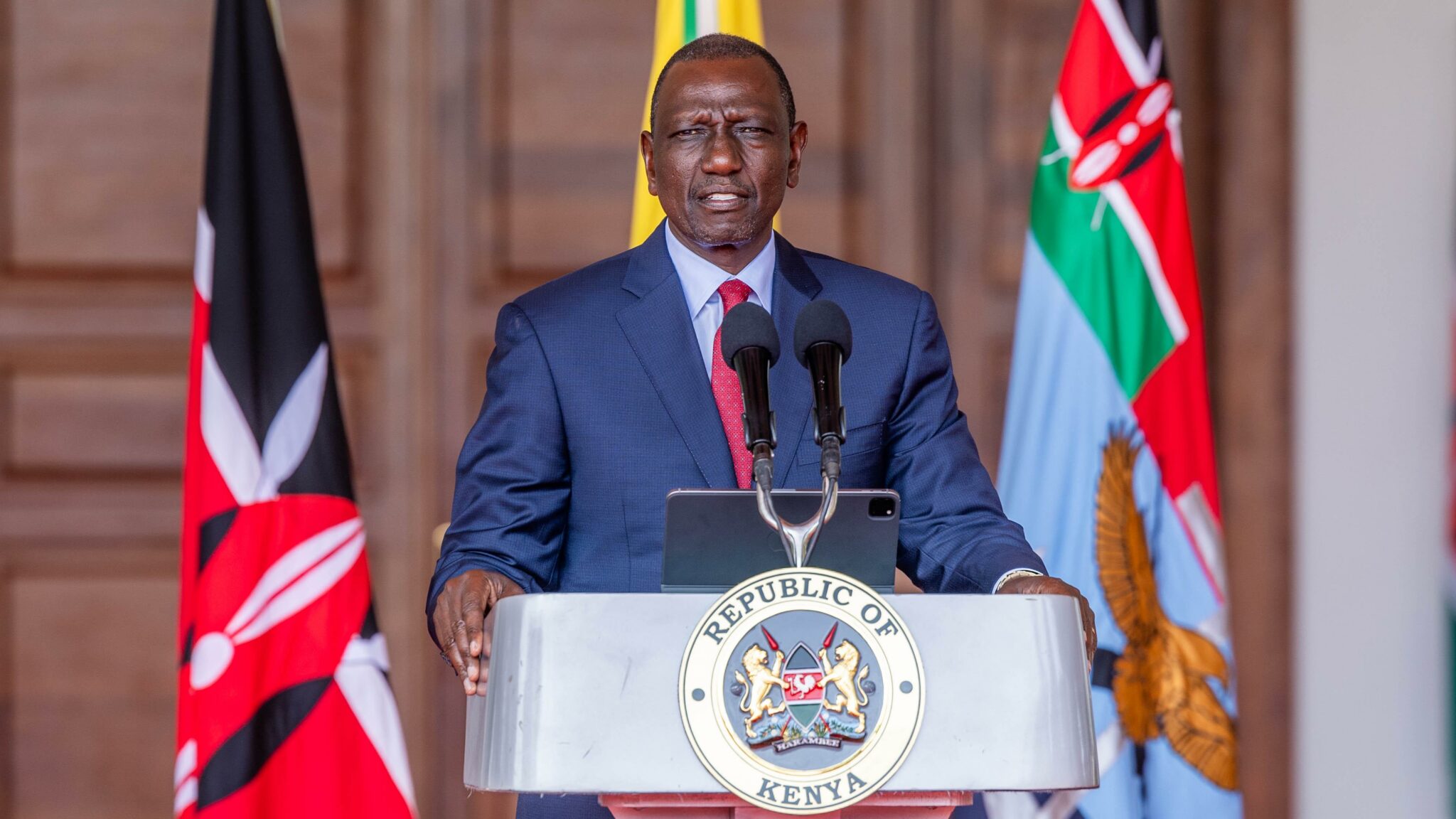
William Ruto is cast as the political chess master.
For
many, Ruto has already earned his place as a genius strategist. Rising from
humble beginnings to State House, outmanoeuvring rivals inside Jubilee,
surviving a fractured handshake era, and then out-hustling
the “system” in 2022—these are feats that, in the eyes of his
supporters and critics alike, cement his image as a political genius.
The
perception is that, like Moi, Ruto is always 10 steps ahead. He plots
uppercuts, sets traps, and has an uncanny ability
to reinvent himself when cornered. Even when Kenyans are reeling from
one of his missteps, commentators are quick to remind us: “Don’t be fooled. The
man is playing chess while others are playing checkers.”
Take
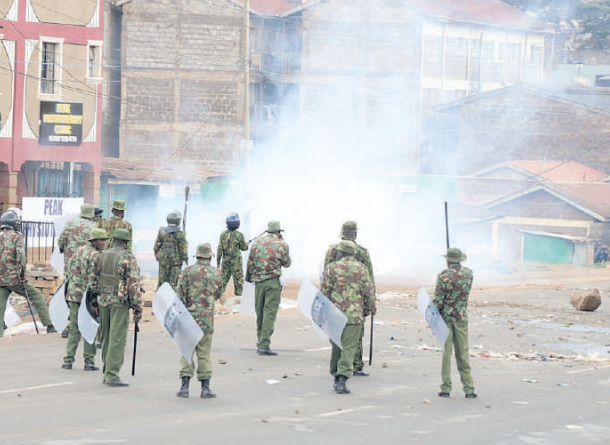
the most recent case: the formation of a panel to oversee compensation for
victims of police brutality during the
Finance Bill protests. To some, this looks like a classic Ruto move—diffuse anger,
neutralise opposition rhetoric, reclaim moral ground and paint himself as a
listening president who can course-correct. To believers in the chess-master
narrative, it is another piece in a larger game of
survival and control.
BUT
WHAT IF IT ISN’T?
What
if, instead of giraffe-like foresight, what we are witnessing is something far
more ordinary – and far more dangerous? What if President Ruto is not
a master strategist but a leader stumbling from
crisis to crisis, improvising as he goes?
This
alternative framing is uncomfortable but necessary. It suggests that many of
Ruto’s decisions are not products of grand design, but of panic, poor
consultation and political short-termism. The Finance Bill saga is a case in
point. The government badly misread public anger,
forcing a
humiliating retreat. That is not the sign of a leader who “saw far”. It is the
sign of a leader caught flat-footed.
The
compensation panel, then, may not be a chess move at all. It may be what
Kenyans have come to call “firefighting
politics” – quick, poorly thought-out responses to calm a storm without
addressing the root cause of the turbulence. Rather than a stroke of genius, it
may simply be a patchwork attempt to save face.
This
interpretation forces us to look at Ruto not as a political giraffe, but as a
one-man show prone to self-destruction.
His critics argue that he centralises decisions, often bypasses expert advice
and treats government less like an institution and more like a personal
project. In such a setup, consistency is
impossible. Policies are announced and abandoned within days. Plans shift without
explanation. Advisers are sidelined.
The
danger of this model is that it produces government by impulse. It thrives on
big announcements, dramatic U-turns and reactive panels – but
struggles to deliver long-term solutions. It may generate
headlines, but it erodes trust. It may create the illusion of decisiveness, but
it often reveals indecision.
We
must also ask: are Kenyans mistaking survival instincts for strategy? It is
possible that what looks like foresight is
simply political agility. Ruto has a remarkable ability to recover from setbacks,
but bouncing back from blunders does not necessarily make one a master planner.
Sometimes,
leaders stumble into outcomes that make them look clever in hindsight.
This
is not unique to Kenya. Across Africa and beyond, strongman politics often
thrives on the myth of the omniscient
leader. The narrative serves both the ruler and his subjects: it makes him look
untouchable, and it absolves citizens from expecting accountability – after
all, if he sees far, then who are we to
question him? But the reality is often more mundane. Leaders blunder, improvise
and sometimes, self-destruct.
SO
WHERE DOES THIS LEAVE US WITH RUTO?
If
he is indeed a chess master, Kenyans must brace for more unpopular but
calculated moves, each feeding into a larger
vision that may only make sense years down the line. But if he is, in fact,
an erratic improviser, then we are witnessing not a grand strategy but the slow
unraveling of a one-man show — where the President’s inability to consult,
listen, and stick to a plan will eventually undermine him.
The
truth may lie somewhere in between. Ruto is both a hustler with sharp instincts
and a leader with glaring blind spots.
His political survival so far has been as much about resilience as it has been
about planning. The challenge for Kenyans is to stop being seduced by the myth
of the chess master and start holding him accountable for results, not
just manoeuvres.
For
in the end, whether Ruto is a giraffe or a gambler, the stakes are the same:
the lives and livelihoods of millions.
And Kenyans deserve more than a leader playing politics—whether by design
or by accident.



![[PHOTOS] The new Ngong –Naivasha Road viaduct](https://cdn.radioafrica.digital/image/2026/06/64d4f771-4432-4aee-ba3c-2f304c4436ec.jpg)