Following
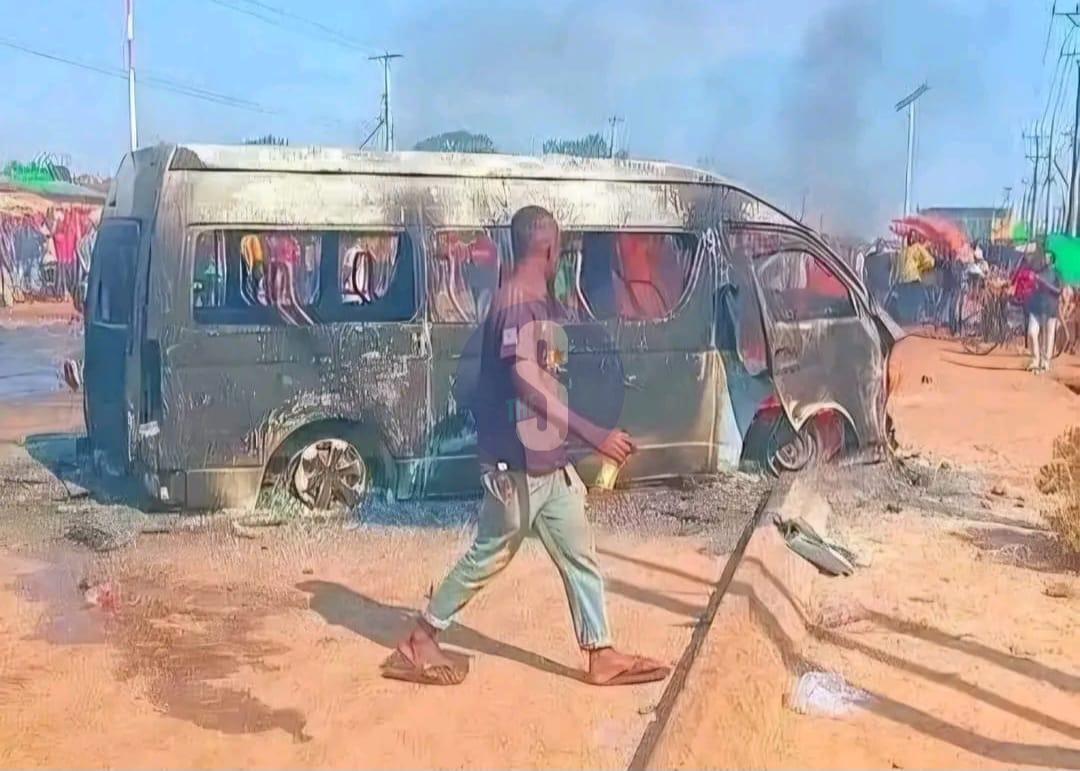
the accident in which a bodaboda operator was reportedly knocked down by a 14-seater
matatu, the public touched the vehicle.
Locals
barricaded the highway and lit bonfires as they protested against the rider's
death in a road accident.
The retaliation
is not an isolated incident. In the recent months, Kenyans have seen a disturbing
rise in incidents where public service vehicles were torched following road
accidents.
On
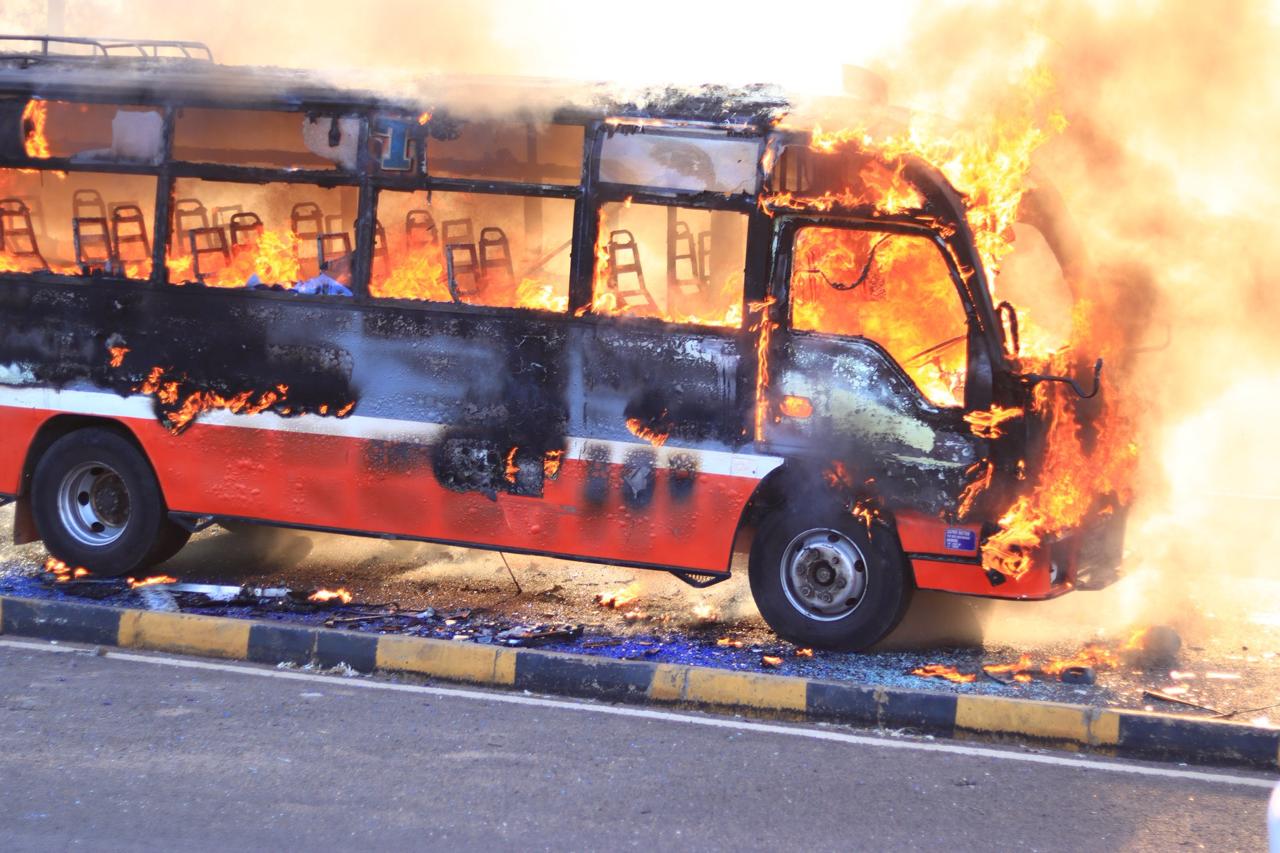
September 1, a Super Metro matatu was set ablaze along the Thika superhighway after
an accident which resulted in the death of a bodaboda rider.
In a
similar incident, on August 7, a City Shuttle bus was burnt after a fatal collision
with a motorbike rider at Jogoo Road- Outering interchange.
When a
road accident occurs in the country, legal obligations are clear: stop, help and
report.
Yet in the
past month, several crashes turned deadly, not only from collision but from
retaliation, as stunned bystanders torched vehicles before justice could even
begin.
These incidents
have highlighted a pressing need to clarify legal responsibilities and curb
retaliatory violence.
The Law:
Obligations after an accident
Under Section
73 of the Traffic Act (Cap. 403), the driver must stop the vehicle
if an accident causes injury or damage.
The law
directs that if asked, the driver must provide their name, address and
vehicle details to any person with reasonable grounds to request it.
If any
injury occurs and this information is not voluntarily provided, the driver must
report the accident to a police station “as soon as reasonably possible,”
and no later than within 24 hours.
Further, the
owner of a motor vehicle shall supply the police with all information necessary
for the identification of a driver involved in an accident.
Penalty
for non-compliance: fine up to Sh100,000, 5 years imprisonment,
or both.
Section
74, reinforces the reporting duty in more serious accidents, stating that in
case of injury or death, and no police officer is present at the scene,
the driver must report the accident to the nearest police station
as soon as possible.
These
sections are meant to prevent hit-and-run cases, ensure emergency
assistance and establish accountability.
If drivers
fail to follow these duties, they face criminal liability.
Penalties
for non-compliance
According
to the Traffic Offences Act, leaving
the scene or failing to help an injured person may result in fines, licence
suspension or revocation, or criminal charges leading to imprisonment (up to five
years or more).
A criminal
record may affect future driving privileges.
Under the
penal code, if an accident results in serious injury or death, irresponsible
behaviour might escalate to charges such as negligence causing harm or culpable
homicide.
Courts
also weigh compliance, or lack thereof, as an aggravating or mitigating factor
during sentencing.
Why retaliation
happens
Several
factors can fuel mob justice following accidents, including emotional
intensity, as witnessing the death or injury of a colleague can provoke
instinctive revenge.
Distrust
in the system may
lead to retaliation. This is as a result of slow or ineffective policing and
judicial processes can lead communities to take the law into their own hands.
Other factors
include cultural norms,
where immediate retribution can be seen as delivering “justice” in communities
where formal systems feel inaccessible.
Additionally,
social media amplification,
where sensational content may inflame tensions and trigger hasty vigilante
retaliation.
What
to do after an accident: A step-by-step guide
Stop
Safely:
Immediately cease driving and switch on hazard lights.
Ensure
Safety: If
possible, move vehicles off the road to avoid further incidents.
Help
the Injured:
Provide or arrange for medical assistance right away.
Alert
Authorities: Call
the police and await their arrival; this step also helps preserve evidence.
Exchange
Details: Share
names, contact information, vehicle numbers and insurance.
Document
the Scene: Take
notes, photographs, and, where safe, recordings to support later claims.
Avoid
Retaliation: Do
not attempt to confront or provoke others—even under pressure.
Follow
Up Legally: Report
and liaise with police, insurance, and—if applicable—legal counsel.
The spate
of matatu burning shines a harsh light on the gap between lawful duty and mob
vengeance.
Accidents happen, and how they are handled can significantly affect outcomes.
The laws clearly demand immediate, responsible action after a crash.
But
between delayed justice and emotional turmoil, some turn to vigilante
retaliation, creating cycles of violence that undermine public safety.
It's crucial for drivers, riders, and bystanders alike to understand their rights
and duties to uphold law and human dignity.