

Secondary school heads have raised concerns over potential disruption of learning due to delays in capitation funds.
The school heads said that many schools are struggling to operate smoothly, with essential services being affected as the financial strain worsens.
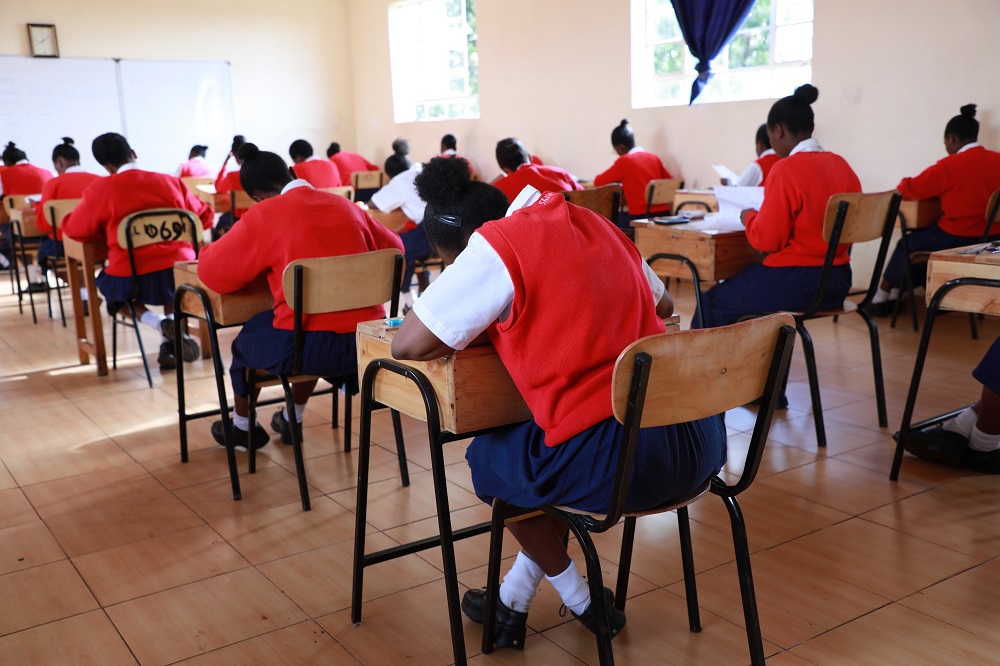
Two weeks after schools reopened for the third term, students are already in class, but funding for free basic education has not yet reached school accounts.
School heads say that the delay is affecting day-to-day operations, including feeding programs and the purchase of learning materials.
"At this time, head teachers are struggling even to stay in school; some of them are even hiding because suppliers are troubling them," Martin Wanyonyi, principal of Chango Secondary School, said.
According to the funding policy, the National government is expected to release 50% of the funds to schools for the first term, 30% for the second term and 20% for the third term.
Head teachers said the disbursement had been irregular, incomplete and unreliable.
“Even last term, what was given to school was only 15% and 15% remained,” KUPPET Secretary Paul Kimmetto said.
‘’We are calling upon the government to make sure they clear the arrears,” he said.
The delay in releasing the funds is affecting the smooth delivery of education, especially during this crucial third term when learners are preparing for national exams and assessments.
Many schools are now struggling with unpaid bills, with head teachers saying the institutions are sinking deeper into debt due to a lack of government support on time.
The Kenya Union of Post-Primary Education Teachers (KUPPET) and school heads’ associations are urging the government to fulfil its promise on timely capitation disbursement to schools.
They also want clarity and support on school fees policies, saying current directives are creating confusion, especially when parents delay or fail to pay fees, yet schools still lack government funding.
“If you want to destroy a generation, take chances of education for that generation,” said Jack Wamboka, Chair of Public Investment Comittee on Governance and Education at the National Assembly.
School principals were forced to end the second term earlier than planned due to mounting debts and delayed government funding.
Many schools struggled to maintain operations, with some lacking basic supplies and being unable to pay suppliers or support essential services.