When Erick Mutai took the oath of office as Kericho’s second
governor in 2022, he promised efficiency, transparency and a fresh start for
the tea-rich highland county.
Less than three years
later, his tenure has descended into political strife, corruption claims, legal
battles, and impeachment by the county assembly—a fiasco that deeply divided
Kericho.
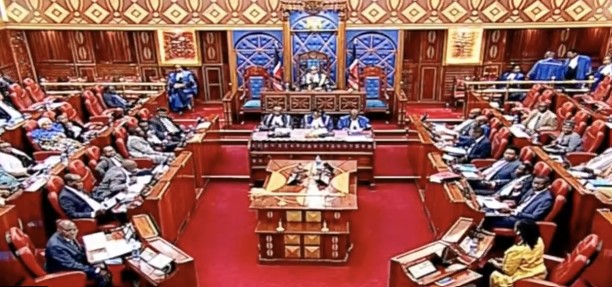
The Senate will now consider, for the second time, whether
to uphold impeachment by the county assembly.
Mutai began his term
with ambitious commitments: to improve healthcare, open rural roads, and expand
youth empowerment programmes. But within two years, accusations of
mismanagement began to pile up.
MCAs accused him of
gross violation of the constitution, abuse of office and misuse of public
resources.
In October 2024,
Sigowet MCA Kiprotich Rogony introduced an impeachment motion.
The charges included irregular procurement deals, diversion
of departmental funds and launching the Equaliser Kazi Mtaani programme without
budget approval or public participation.
The administration
also faced criticism over its handling of Sh9 million in emergency funds raised
after the Londiani truck crash in June 2023, which killed more than 50 people.
Allegations that the money was unaccounted for further
eroded public trust.
Despite a court
injunction barring debate until a petition was heard, the assembly pressed
ahead with impeachment. Tempers flared on the floor and 31 MCAs voted to remove
Mutai from office.
In the Senate, the
impeachment was closely watched nationwide. Senators heard days of arguments,
with MCAs pointing to procurement irregularities and alleged misuse of funds,
while Mutai’s lawyers dismissed the charges as unsubstantiated.
The governor also argued the assembly had not met the
required two-thirds threshold.
In the end, he survived—not because the allegations were
disproved, but because the Senate ruled the county assembly had failed to meet
constitutional standards for removal.
Thirty-four senators voted to terminate the proceedings on procedural
grounds.
The reprieve was short-lived. Last week, Rogony returned
with a new motion, this time bolstered by additional allegations.
On that occasion, 33
MCAs voted in favour of impeachment, comfortably clearing the two-thirds
threshold, and referred the matter to the Senate.
The fresh allegations
accused Mutai of authorising fictitious payments of Sh85 million to 46
companies for undelivered goods and services.
Mutai dismissed the charges as a witch-hunt orchestrated by
political rivals led by his deputy, Fred Kirui, who has since written to the
Ethics and Anti-Corruption Commission calling for investigations.
In a defiant
counterattack, Mutai called for the dissolution of the county government—a
move widely seen as reactionary.
His supporters also launched a signature drive to disband
the assembly. But the MCAs pressed ahead with their removal push.
Disputed process
Mutai says the impeachment process was illegal and
predetermined. He alleged that nine assembly staff had access to the voting
system in advance.
“At the beginning, it started with six votes, then jumped to
20-something and suddenly to 33. The results were already decided before the
process began,” he claimed.
The governor also asked why the assembly relied on an SMS-based
voting system instead of a physical count of the 47 members present.
“If the assembly
feels I should be impeached, I am ready to go home with my head high, where
fairness and justice are done or seen to be done,” he said. “I am not afraid.”
The silence from Kericho’s political leadership has raised
questions over whether Mutai has been abandoned. No elected leader has publicly
defended him, and no influential national figure has rallied to his side. Once
seen as close to impeached former Deputy President Rigathi Gachagua, Mutai now
appears politically isolated.
His impeachment has sparked speculation that his woes may
reflect not only local county politics but also shifting national power
alignments.
On Saturday, at a women’s empowerment event in Kipkelion
West, Senate Majority Leader Aaron Cheruiyot broke his silence. He promised to
write to the EACC and other agencies to investigate the claims of corruption.
“I am going to write
to the EACC on Monday to have all those mentioned—whether big or small—face
legal action,” he said. “Those who misused public resources must be prosecuted
and compelled to surrender any proceeds of corruption.”
Mutai’s future now rests, once again, with the Senate.
But with deepening allegations, an emboldened assembly and
silence from his political allies, the embattled governor faces the toughest
battle of his political career — one that may determine whether he survives or
falls to the shifting winds of county and national politics.

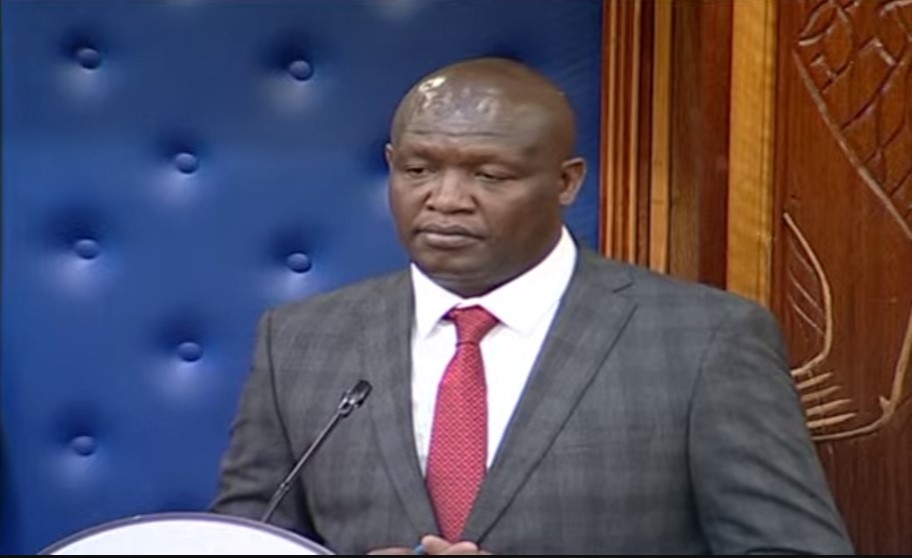
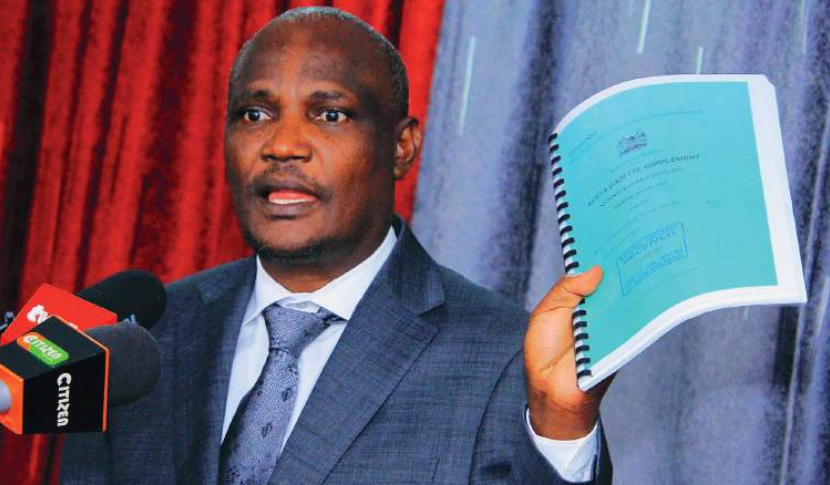
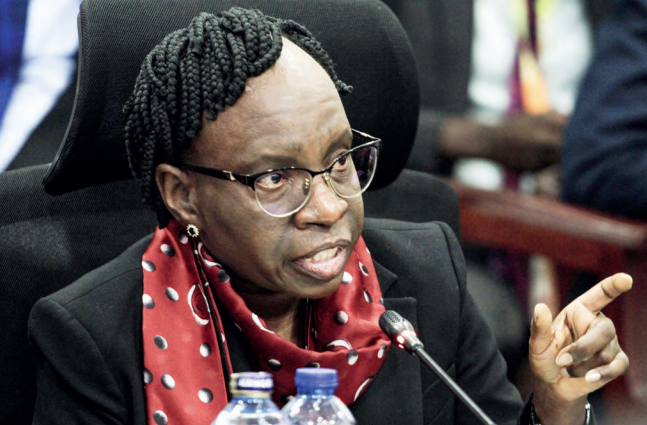
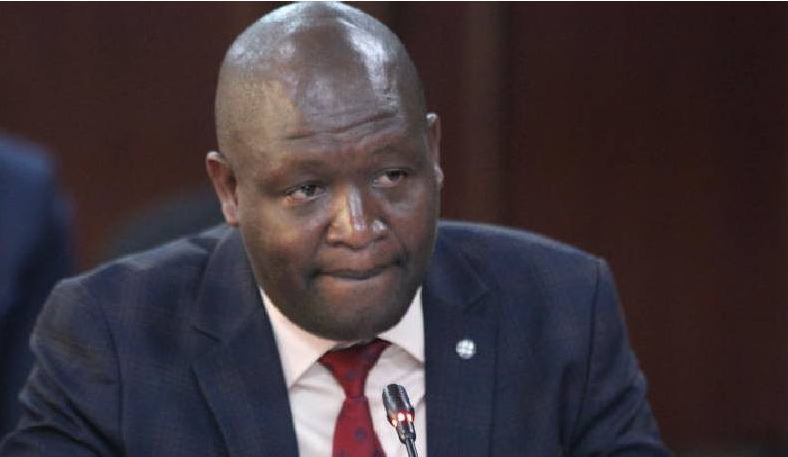 Impeached Kericho Governor Erick Mutai./FILE