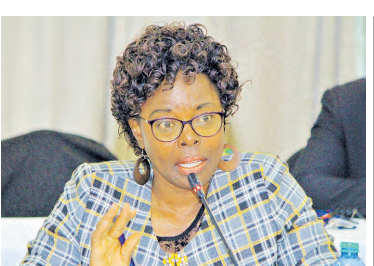
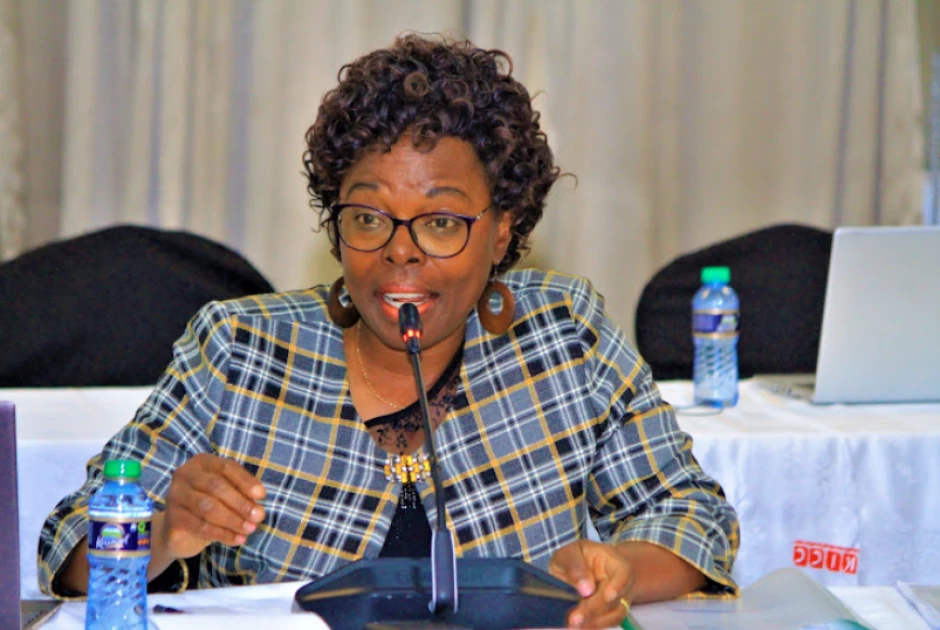
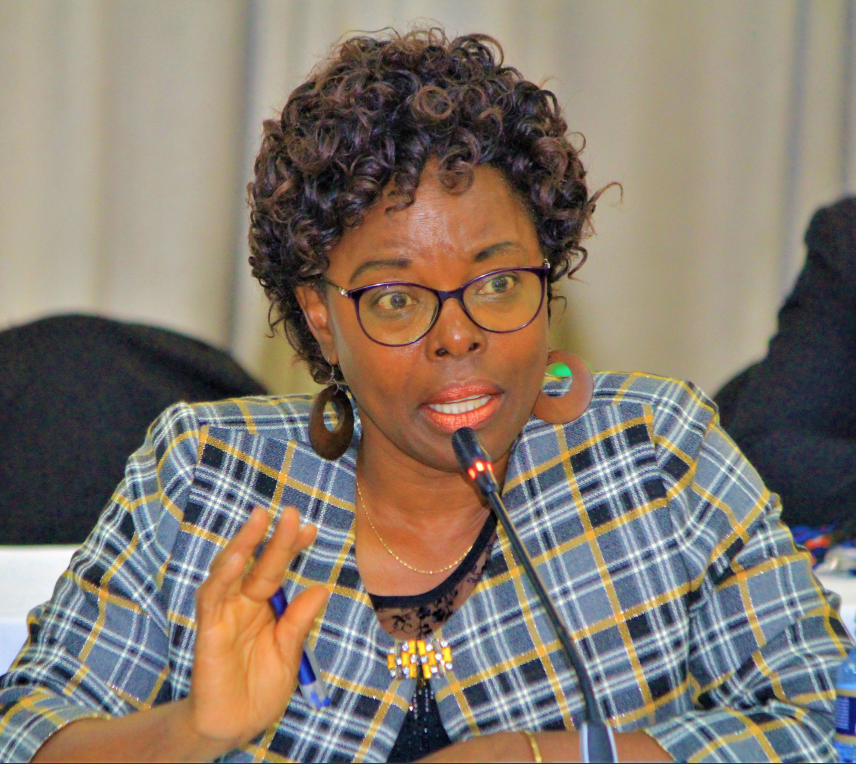
Controller of Budget Margaret Nyakang’o has raised the alarm
over 16 counties that are yet to submit their 2025-26 budgets, with only 15
days left before the close of the first quarter.
Her warning comes as National Treasury Cabinet Secretary
John Mbadi released more than Sh30 billion to counties for July—funds the
non-compliant counties will be unable to access.
“Next week, on Monday or Tuesday, I will be releasing money
to the counties for July,” Mbadi said last week.
The CoB’s office has confirmed that the Treasury has already
made the full disbursement for July.
However, counties without approved budgets cannot place
requisitions to finance specific budget lines.
According to CoB data, the counties yet to submit their
approved budgets are: Garissa, Wajir, Mandera, Marsabit, Meru, Embu, Nyandarua,
Turkana, Trans Nzoia, Uasin Gishu, Kajiado, Kericho, Bungoma, Busia, Siaya and
Kisumu.
Another 20 counties have submitted budgets for review, but
remain uncleared due to compliance concerns raised by the CoB.
These are Nyamira, Kakamega, Bomet, Narok, Nakuru, Laikipia,
Baringo, Nandi, Elgeyo Marakwet, Samburu, Murang’a, Nyeri, Machakos, Tharaka
Nithi, Taita Taveta, Lamu, Tana River, Kilifi, Kwale and Mombasa.
Only 10 counties have had their budgets approved and can
access funds. They include Nairobi, Kisii, Migori, Homa Bay, Vihiga, West Pokot,
Kiambu, Kirinyaga, Makueni and Kitui. Approval is a prerequisite for placing
requisitions to finance specific budget lines.
The revelations challenge a common narrative among county
leaders, who have often blamed the Treasury for delays in disbursement.
By law, county governments must submit approved budgets to
the CoB by June 30 each year to enable fund requisitions.
“They should submit immediately after June 30. They are
already breaking the law if the assembly does not pass the budget by that
date,” Nyakang’o told the Star.
She noted that, in contrast, her office received the
national government’s signed budget from the President immediately after the
June 30 deadline.
Sources say the budget submission delays stem from wrangles
between county executives and assemblies, laxity by executives in forwarding
budgets for approval and slow processing by assemblies.
In several counties, political infighting has paralysed key
operations, including the passage of financial plans.
Nyakang’o described the relationship between some county
executives and assemblies as “dysfunctional” and “convoluted,” with political
rivalry often overshadowing service delivery.
“In some cases, assemblies engage in what can only be
described as political blackmail—deliberately delaying, rewriting, or rejecting
proposals to extract concessions from governors, assert power, or settle
scores,” she said.
Bungoma county is a case in point. A bitter power struggle
between Governor Kenneth Lusaka’s administration and the county assembly has
escalated into a legal battle.
The assembly is accused of disbanding the legally
constituted budget committee, replacing it with an ad hoc team that
significantly altered the executive’s proposal.
“There is a serious case in Bungoma. The assembly disbanded
the budget committee and formed an ad hoc one, which then mutilated the
proposed budget. They passed their own version using coercive tactics,”
Nyakang’o said.
Following the fallout, the courts intervened and barred the
disbursement of funds, freezing county operations and stalling Lusaka’s
development agenda.
INSTANT ANALYSIS
The Office of the Controller of Budget, established under
Article 228 of the Constitution, is an independent institution mandated to
oversee the implementation of both national and county budgets by authorising
withdrawals from public funds.








![[PHOTOS] Ruto pushes for stronger Kenya-EU economic ties in Brussels](https://cdn.radioafrica.digital/image/2026/06/3aebc395-285b-441c-8aa4-33cb538f8d44.jpg)