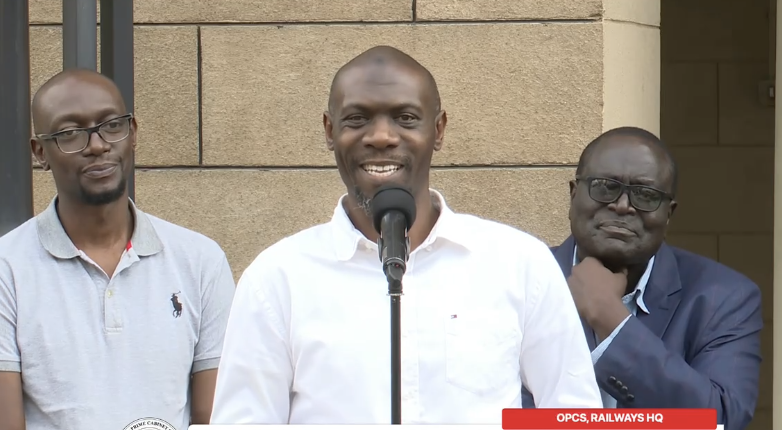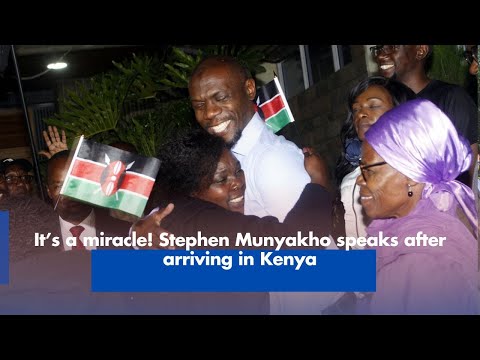
It’s a miracle! Stephen Munyakho speaks after arriving in Kenya
a y agoadminvideo
Stevo was convicted of killing a Yemeni colleague during a confrontation in April 2011.


Audio By Vocalize
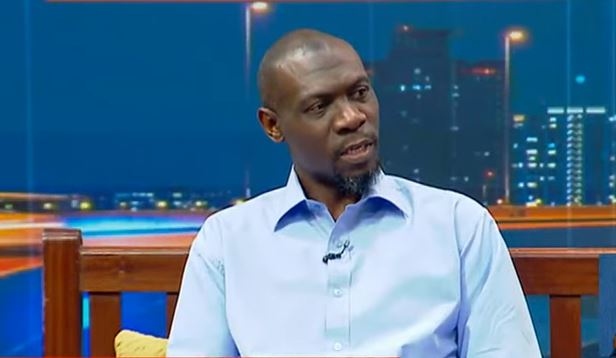
Stephen “Stevo” Munyakho, who spent over a decade
facing execution in Saudi Arabia, has opened up about the circumstances that
delayed his sentence and the long road to freedom.
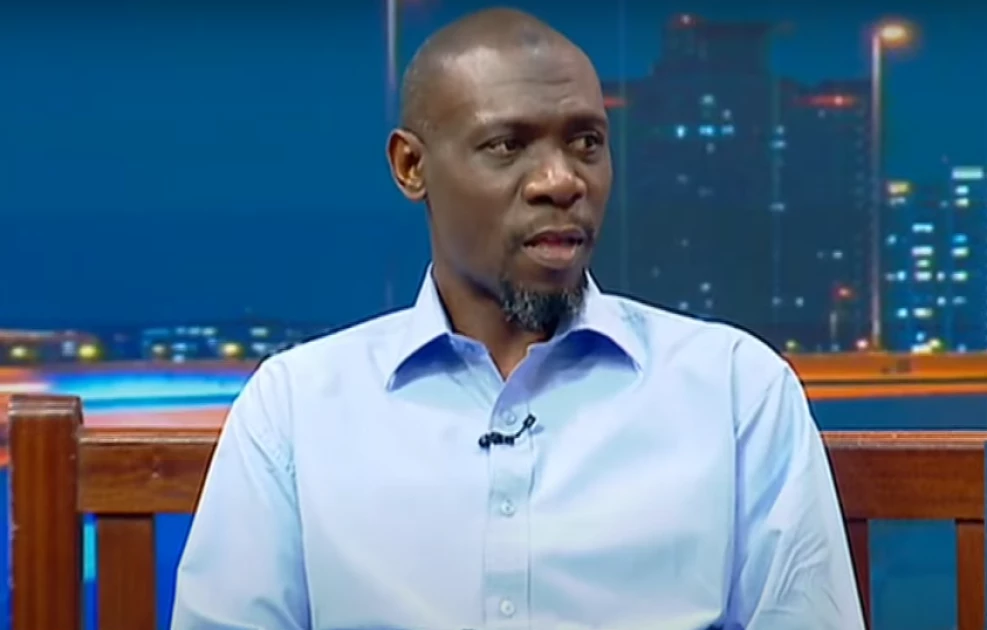
In an interview on Citizen TV on Wednesday night, Stevo recounted how a legal provision under Sharia law postponed his execution after he was convicted of killing a Yemeni colleague, Abdul Halim Mujahid Makrad Saleh, during a confrontation in April 2011.
During the altercation, Stevo was also injured and had to be taken to the hospital. He said they were friends with Saleh but a salary dispute led to the accidental killing, which he still regrets.
Although he had lived in Saudi Arabia since 1996, his
life took a dramatic turn following the fatal incident.
Stevo said that in 2016, five years after the
incident, he received a formal death sentence.
However, a specific legal stipulation halted the
process. Under Islamic law, if the victim's children are still minors, an
execution cannot be carried out until they reach legal adulthood.
This is done granting the family the right to either
demand capital punishment, accept compensation (diyya), or issue forgiveness.
“The sitting of 2016, that was the
first time they said you're being sentenced to death but there was a condition
on it,” he said.
“They could not carry it out because
the deceased had young children and they had to come of age. So that bought us
time for negotiations."
He also spoke about how the Saudi judicial system
distinguishes between public and private rights, both of which played a role in
the progression of his case.
Initially, he had been given a five-year prison term.
However, when the victim’s family rejected compensation and pushed for
execution, private rights took precedence.
"Under Sharia law, we have private and public
rights. Towards the end of five years, I was summoned to court and the widow came,
accompanied by the brother,” he said.
“At that time, they had given 120,000 riyal for
accidental killing. They said they didn't want it; they wanted execution.
Private rights override public rights.”
Efforts to spare Stevo’s life gained momentum when the
Kenyan government intervened, initiating negotiations with the deceased’s
family.
The family eventually agreed to consider compensation,
but set the amount at 10 million Saudi riyals, a sum worth approximately Sh400
million at the time.
“The initial figure was 10 million riyal, they wanted
it out of court, that's when the Saudi government intervened and said it must
be stated in court, that's when the negotiations began," he said.
His execution was postponed multiple times as
diplomatic and religious efforts intensified to save his life.
In March 2025, a turning point came when the family of
the deceased accepted diya, blood money, amounting to $1 million (approximately
Sh129 million).
The funds were mobilised through the intervention of
Kenya’s Muslim community, the government and the Muslim World League.
He was officially released on July 22, 2025, and
performed Umrah before flying home.
He arrived in Nairobi in the early morning hours of July 29, to an emotional welcome by his family, supporters and government officials.