Misery in the rooms: Inside the deplorable state of UoN hostels
Students are questioning the value of the Sh43,000 they pay for on-campus accommodation
by NAOMI WAMAITHA
Audio By Vocalize
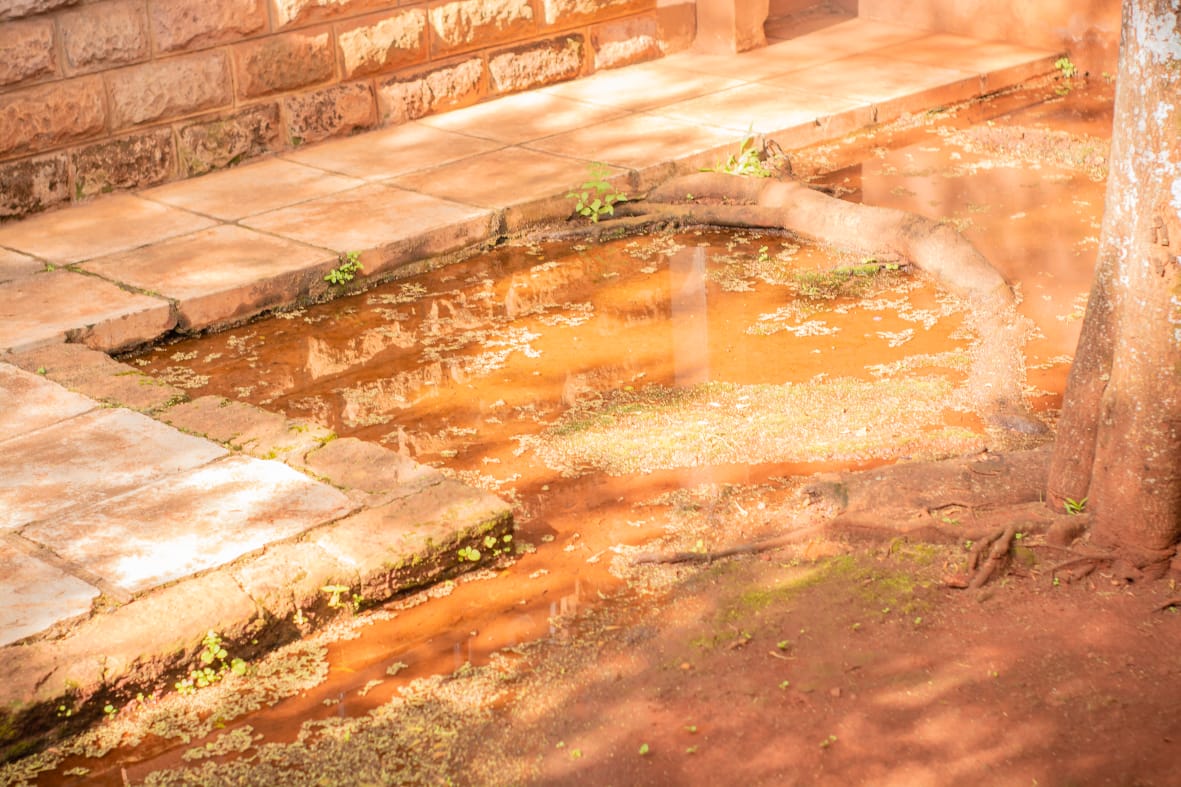
Dirty stagnant water outside UON hostels caused by poor drainage/HANDOUT
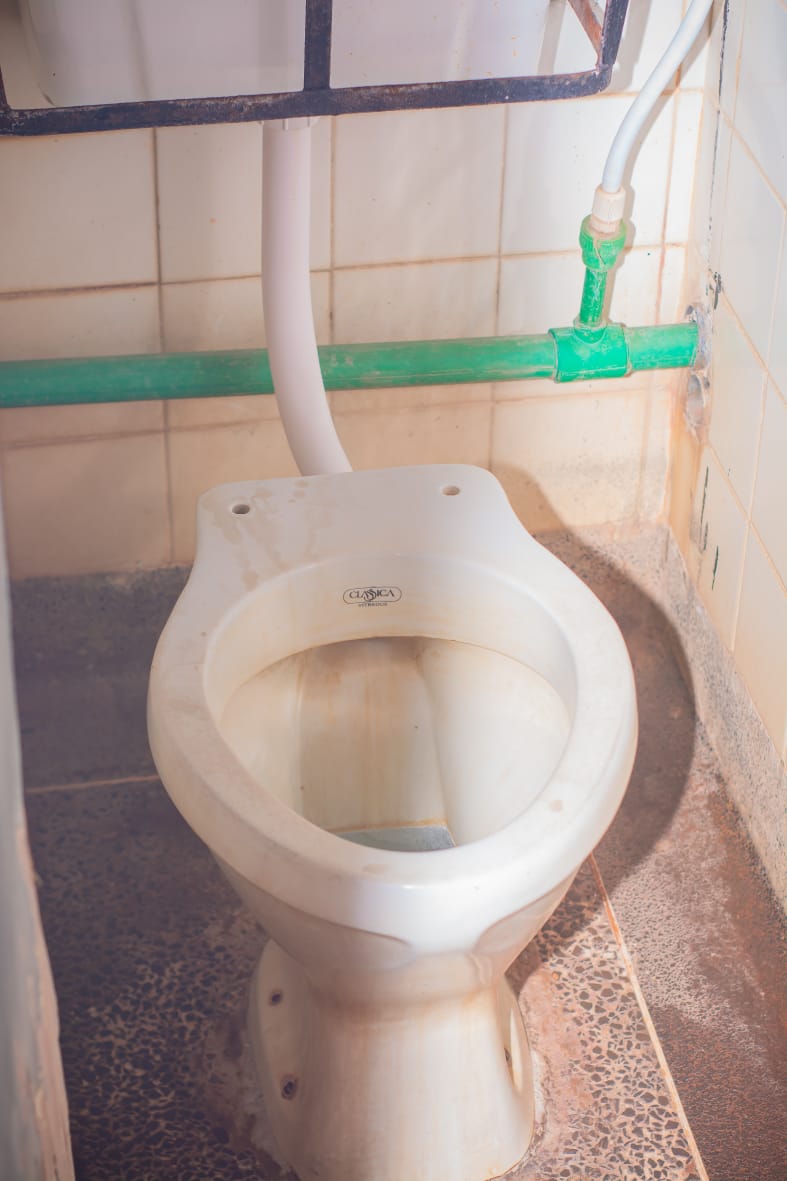
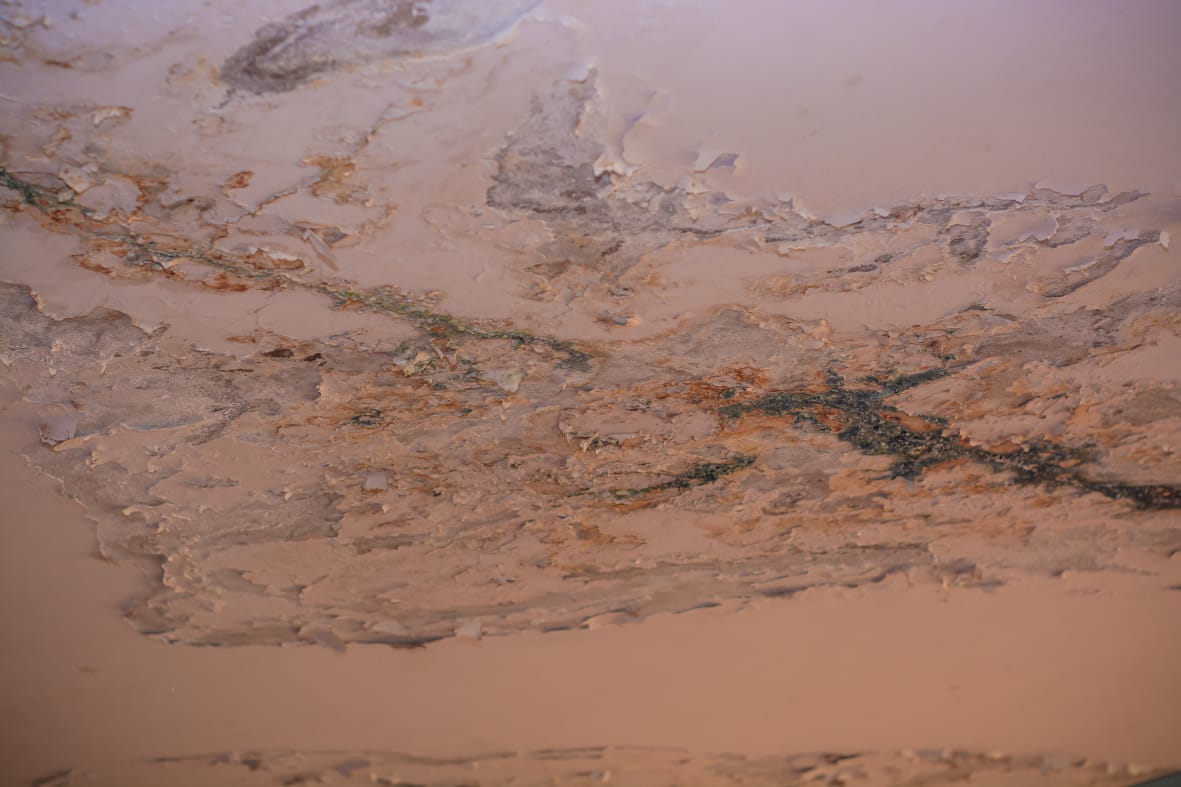
Peeling paint, leaking ceilings, and unsanitary restrooms have left University of Nairobi (UoN) students questioning the value of the Sh43,000 they pay for on-campus accommodation.
With cracked floors, poor drainage, and broken furniture, students say the hostel conditions are difficult to endure.
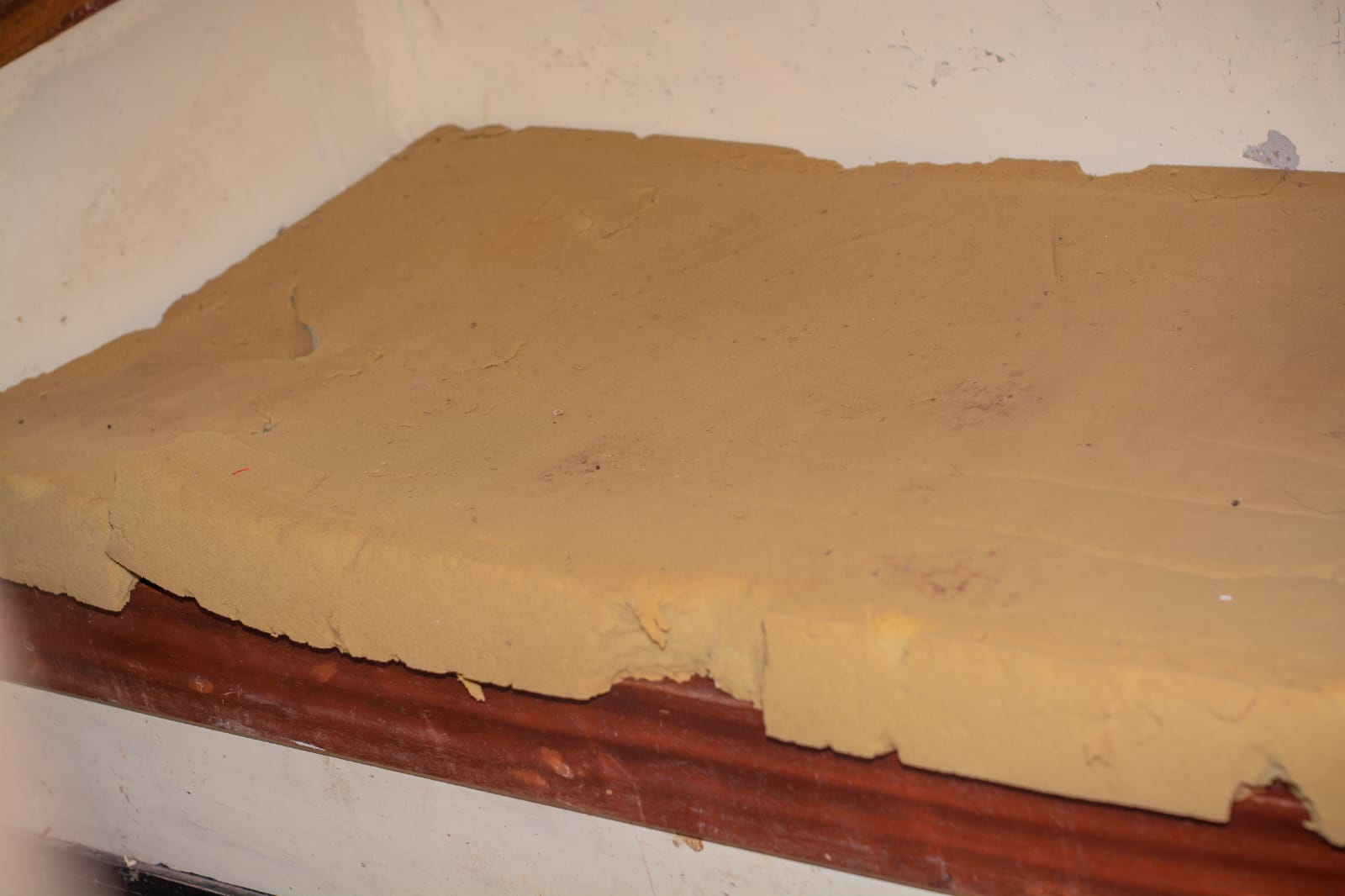
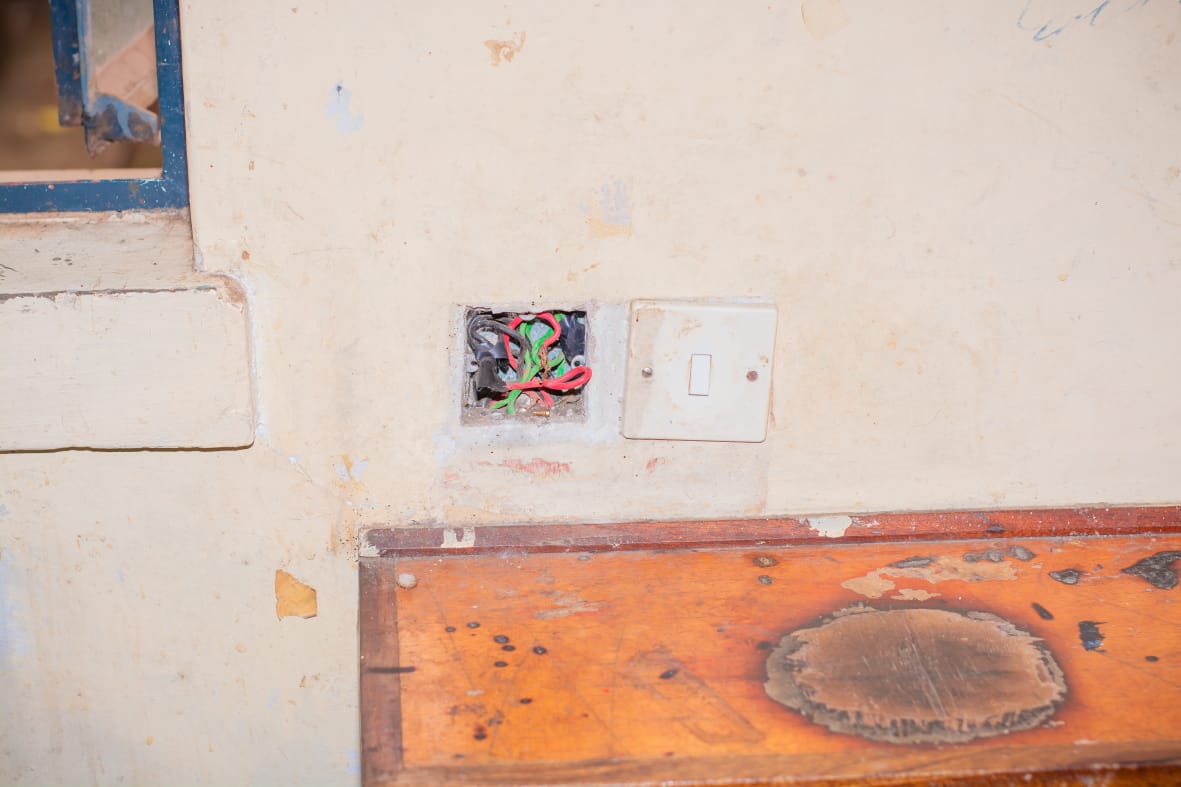
Worn-out mattresses, squeaky beds, and damaged electrical sockets have made sleeping uncomfortable and, in some cases, unsafe.
In some hostels, lack of running water and recurring infestations of bedbugs have left students struggling to maintain basic hygiene.
Students also say the hostels are vulnerable to theft due to broken locks, shattered windows, and what they describe as inadequate security measures.
Concerns about hostel conditions are longstanding, with students stating that the quality of living does not reflect the current accommodation fees.
During an interview on July 23, 2025, Shem Moguna, an architecture student and a University of Nairobi Students Association (UNSA) leader, described the state of hostel rooms as poorly maintained, with most fixtures not working as they should.
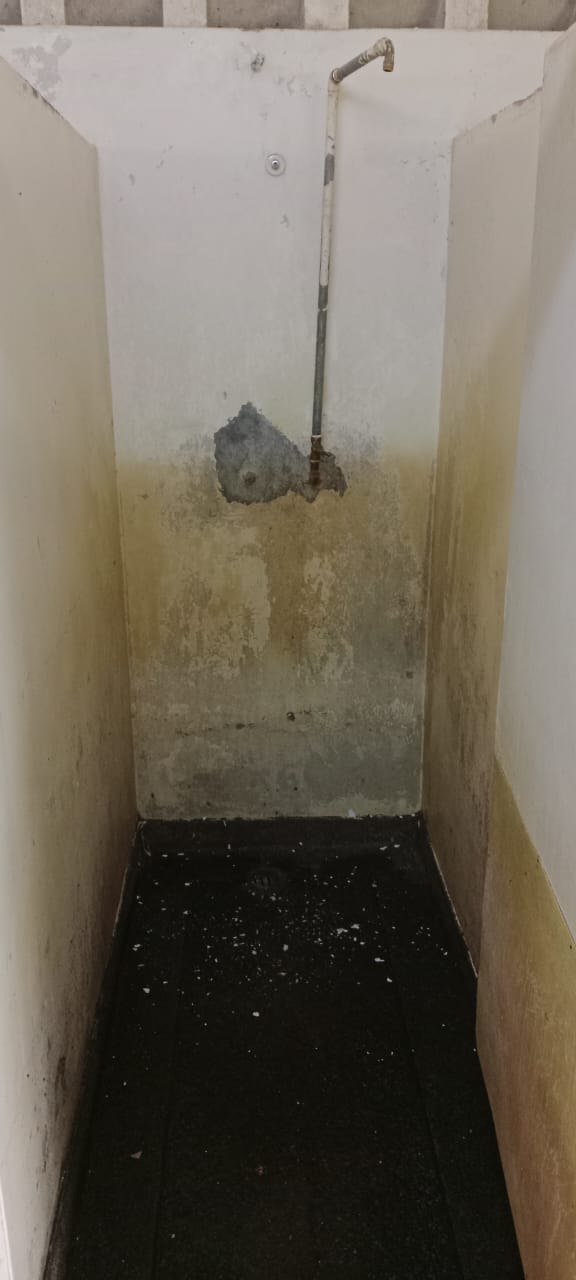
“They are in a ramshackle state. The bathrooms flood, rooms are rarely painted, the flooring is rough, and surfaces are not repaired,” Moguna said.
He added that water scarcity, especially during dry spells, has made living conditions more difficult.
According to Moguna, faulty wiring that has not been replaced since construction causes frequent electrical outages.
“Electricity goes off, especially at the sockets. The wiring hasn’t been updated,” he said.
On the issue of security, Moguna said that proper identification measures could help control access to the hostels.
“If students had to show their ID when entering the premises, it would help limit unauthorised access and reduce theft,” he said.
Moguna claimed that students have consistently raised their concerns but have seen little to no response.
“We communicate our concerns, they acknowledge, but no action is taken. Sometimes the responses are dismissive. That’s why we decided to protest, because we felt ignored,” he said.
He urged the university to reduce accommodation fees to Sh20,000 and renovate the hostels to make them more livable.
Calvins Omondi, a student, echoed the call to lower accommodation fees to better reflect hostel conditions.
“We want accommodation fees reduced to an amount that every student can manage,” Omondi said.
He added that renovations were essential to justify the cost students are currently paying.
“The hostels must be improved so that the cost matches the quality. It should be a place where someone can live with dignity,” he said.
Omondi described the current hostel conditions as “unbearable” and shared that he has considered seeking off-campus housing.
Miriam Kishoyian, a veterinary medicine student and student leader, also criticised the state of the hostels, saying that some roofs leak and walls are poorly painted.
She said the beds are unstable, and much of the provided furniture is in poor condition.
“The beds are squeaky, the mattresses are thin and torn, and the cabinets are broken,” she said.
She added that the water issue forces students to rely on water bowsers, which can be unreliable.
“There’s no running water. The bowser deliveries are delayed, creating unsanitary conditions, especially in the ablution blocks,” she said.
Kishoyian noted some rooms have been infested by bedbugs and that the drainage systems outside hostels are ineffective.
She also pointed out that a hostel was recently shut down due to low occupancy, with only about seven students staying there, an outcome she linked to the high fees.
Njeri Mburu, a construction management student, raised concerns about lack of internet in the hostels, despite previous university promises.
She also said students have had to purchase electrical sockets for their rooms.
“The hostels have no Wi-Fi, even though it was promised. Some rooms have broken doors and no sockets. Students have had to buy sockets to get power,” she said.
Mburu urged the university to urgently address these issues.
“We ask the administration to take immediate action and provide a safe, comfortable, and affordable environment for students,” she said.
“Students deserve better living conditions that support academic success and well-being,” she added.
Elisha Wasike, UNSA Secretary General and a medical student, said students submitted a petition to the Principal Secretary for Higher Education, Beatrice Inyangala.
“We submitted our petition on Monday and were told we’d get feedback by Tuesday at noon,” Wasike said.
“Education is meant to equalise, but in its current state, it may deepen inequality,” he added.
Wasike emphasised that the issue of accommodation fees is their top concern, followed by governance matters.
“There are other pressing issues, but the main one is the hiked fees. We also need a functioning university council. The vice chancellor and deputies have been in acting positions for over a year, beyond the 180 days outlined in the university charter,” he said.
He argued that temporary leadership has hindered the university’s ability to offer long-term solutions.
Wasike warned that without action, protests would continue.
“We’ve resolved that there will be no admission of first years and no resumption of classes at UoN until these key issues are addressed. We’re ready to take to the streets. We must restore dignity to the students and the university,” he said.
Responding to the concerns, UoN Dean of Students Johnson Ireri said a committee appointed by the Vice Chancellor is currently reviewing the issues.
“There is a committee in place to address these matters before students report in August. They’ve made significant progress, and we expect students to be satisfied when they return,” Ireri said.
“The committee is actively working. I assure you, things will be fine.”
Senators have also weighed in, backing UoN students in their demands for fair accommodation fees and better hostel conditions.
During a Senate debate on July 24, 2025, led by Nairobi Senator Edwin Sifuna, lawmakers voiced concern over what they described as high fees and substandard student housing.
The discussion followed a statement request made by Senator Sifuna regarding student accommodation at the university.
Some senators proposed incorporating university hostels into the government’s Affordable Housing Programme to help ease the crisis.
Earlier, on July 21, 2025, UNSA had issued a statement demanding an immediate reduction in accommodation fees, warning of protests and traffic disruptions in Nairobi’s central business district if their demands went unmet.
“Accommodation fees must fall. If not, we’ll shut down the university and block roads in the CBD,” student leaders declared.
At a press briefing, UNSA President Troy Rusana criticised the increase in accommodation charges, noting that fees had risen from Sh6,000 in 2021 to Sh43,000 in 2025. He also cited concerns about poorly maintained hostels.
“We’re here because we’re in distress and don’t have proper shelter. Until these issues are resolved, there will be no first-year admissions,” Rusana said.
He urged incoming students to delay reporting to campus.
“Don’t download admission letters. Don’t pack. Stay home. You can’t join a system with unpainted rooms, squeaky beds, and untiled floors,” Rusana added.
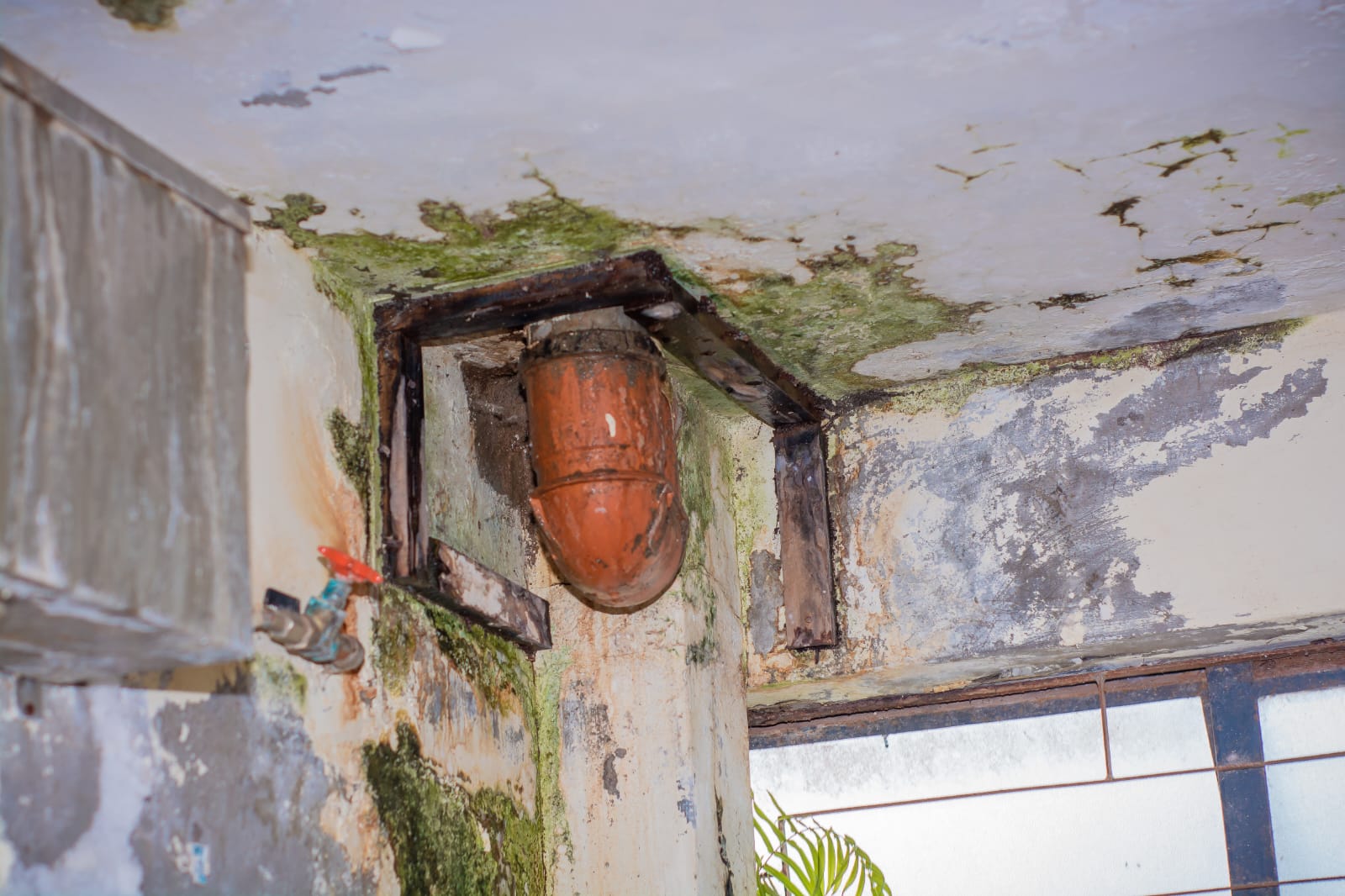
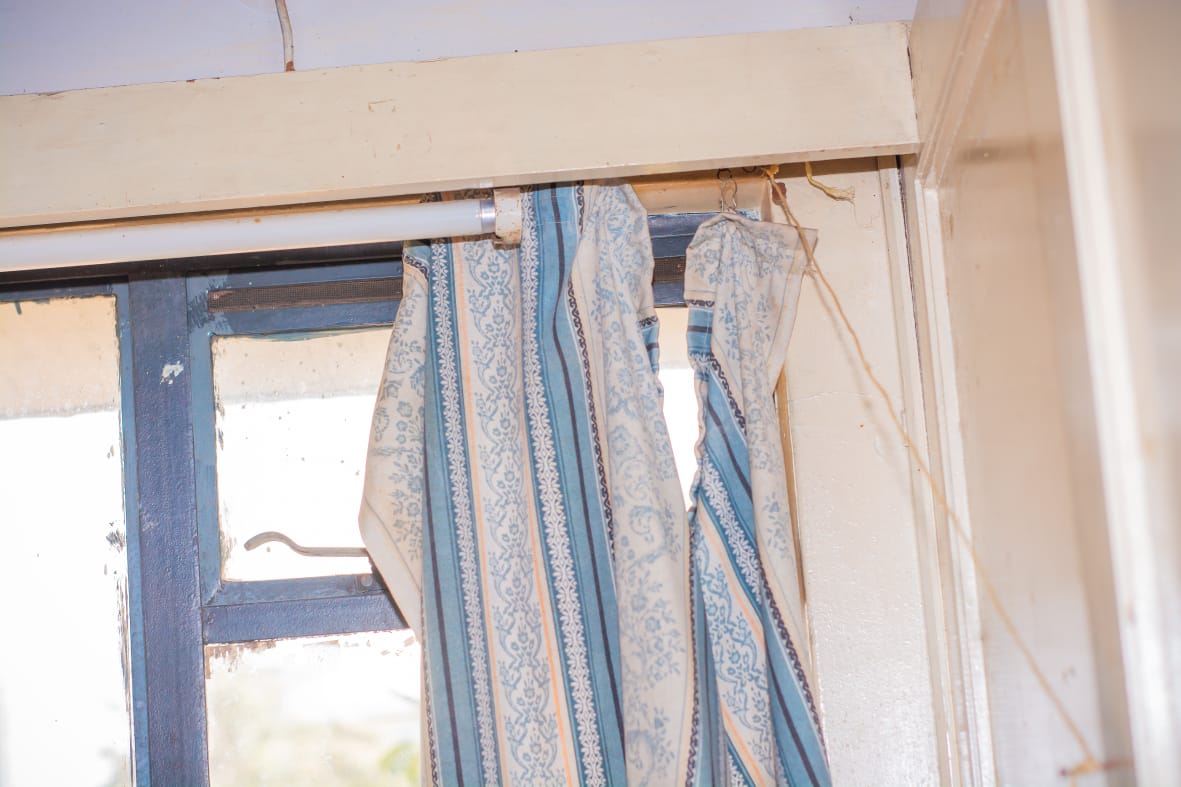
Mould on ceiling caused by leaking from the upper floor/HANDOUT A worn-out mattress on the bed inside a room in the UON hostels/HANDOUT A dirty bathroom floor with a non-working shower/HANDOUT A dirty toilet bowl inside the hostels/HANDOUT A bare socket inside a room in the hostels and a worn-out table/HANDOUT A leaking ceiling with mould inside the hostels/HANDOUT Worn-out and dirty curtains inside the hostels/HANDOUT
This is premium content
Subscribe to Continue Reading
Help us continue bringing you unbiased news, in-depth investigations, and diverse perspectives. Your subscription keeps our mission alive and empowers us to provide high-quality, trustworthy journalism. Join us today to make a difference!