Know your Parks: Touch the clouds at majestic Mt Kenya National Park
The park boasts approximately 20 lakes and tarns scattered across its terrain.
by SHARON MWENDE
Audio By Vocalize
Part of Mt Kenya National Park/KWS
Rising
above the clouds with snow-capped peaks and sacred whispers in the wind, Mt
Kenya National Park is more than a mountain. It is a living monument of nature,
culture and awe-inspiring adventure.
According to the Kenya Wildlife
Service (KWS), majestic and mystical, Mt Kenya National Park is home to
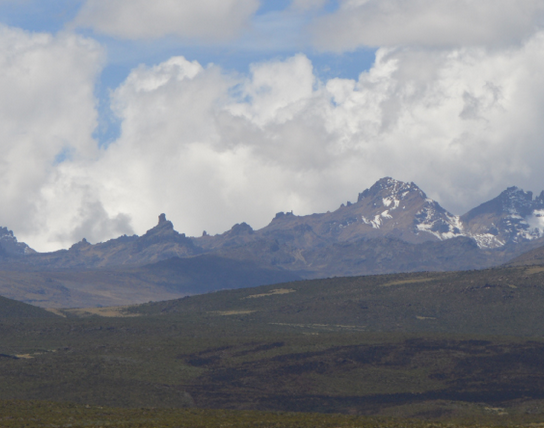
Africa’s second-highest peak, Mt Kenya, rising to an altitude of 5,199 metres
above sea level.
Straddling the counties of Meru,
Nyeri, Tharaka Nithi, Embu and parts of Kirinyaga, this ancient extinct volcano
offers visitors one of the most breathtaking landscapes in East Africa.
Designated as both a UNESCO World
Heritage Site and a Biosphere Reserve, Mt Kenya National Park is a haven of
natural beauty and ecological significance.
Its rugged glacier-clad summits,
forested slopes, and unique alpine vegetation make it an extraordinary
destination for climbers, nature lovers and spiritual seekers alike.
Peaks that touch the sky
Mount Kenya features three main
peaks. The highest, Batian (5,199m), and the second, Nelion (5,188m), are
suited for experienced climbers interested in technical ascents.
For non-technical climbers, KWS
advises the Point Lenana (4,984m) which offers a more accessible yet equally
rewarding challenge.
The mountain once held extensive
glaciers, and today, 12 remnant glaciers still cling to its peaks, though they
are receding rapidly due to climate change.
Four secondary peaks also mark the
upper slopes, sitting at the head of U-shaped glacial valleys.
A sacred mountain
To the Kikuyu, Embu and Meru
communities, Mount Kenya is more than a towering landform. It is sacred.
The Kikuyu refer to it as Kiri
Nyaga, meaning “Mountain of Brightness.”
In traditional beliefs, it is the
home of the Supreme Being, Ngai, whom the Kikuyu also call Mwene Nyaga (Possessor
of Brightness).
It is a place for prayer, sacrifice and
spiritual reflection, and many who visit do so seeking more than just adventure
they seek divine connection.
Ecological riches
KWS notes that the park boasts
approximately 20 lakes and tarns scattered across its terrain.
But perhaps more fascinKWS notes that the park boasts
approximately 20 lakes and tarns scattered across its terrain. ating is the
park's incredible biodiversity, shaped by the changes in altitude.
“At lower altitudes, dry upland
forests dominate, transitioning into montane forests at around 2,000m. These
forests are rich in cedar and podo trees,” the Service adds.
As visitors ascend to 2,500m, they
encounter dense bamboo forests which merge into upper forest areas where trees
are adorned with hanging lichen.
Above 3,000m lies high-altitude
heathland, dotted with African sage, protea and helichrysum.
At even higher elevations above
3,500m, the landscape shifts to moorland, marked by Giant Groundsel and
Lobelia.
This moorland is sparsely populated
by wildlife but home to high-altitude adapted species such as zebra and eland,
especially in the northern zones.
Diverse wildlife
Mt Kenya National Park is rich in
wildlife, some of which are rare or endangered.
KWS highlights that common sightings
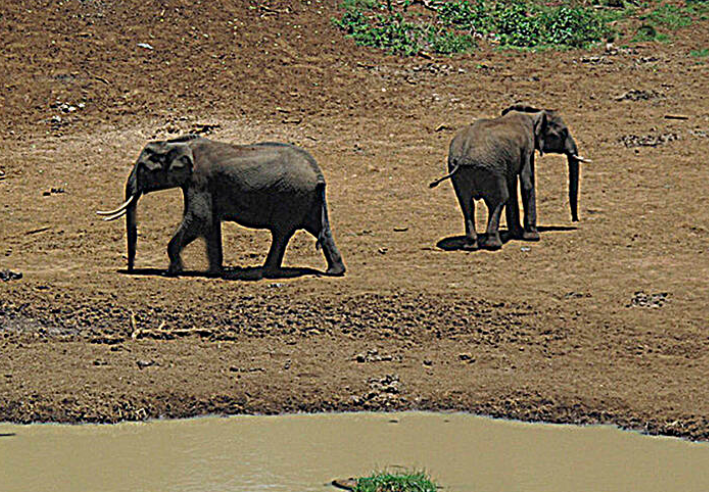
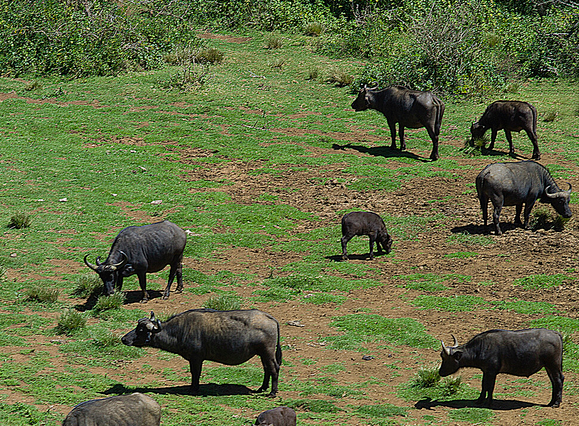
include buffalo, elephants, black and white colobus monkeys, Sykes monkeys,
bushbucks and waterbuck.
Other residents include the white-tailed
mongoose, rock and tree hyrax, suni antelope and the elusive black fronted
duiker.
For the lucky, sightings may include
the secretive leopard, the rare bongo antelope, giant forest hogs, skinks,
montane vipers, and the unique Mt Kenya mole rat.
The park is also a birdwatcher’s
paradise, with over 130 bird species recorded, including various species of
owls.
What to do
Visitors to Mt Kenya National Park
can engage in a variety of activities.
These include game viewing, mountain
climbing and bird watching. The park also offers serene environments for
camping, picnicking, and nature photography.
Whether you're an adventurer looking
to conquer its peaks or a nature enthusiast drawn to its forests and wildlife,
Mt Kenya National Park offers an unparalleled opportunity to experience one of
Africa’s most majestic natural wonders.
From spiritual journeys to
scientific explorations, every visit is a step closer to the clouds.
KWS advises visitors to carry with them personal effects, drinking water,
food, warm clothing and camping equipment.
“Also important are; camera, binoculars, sunscreen, insect repellant, first
aid kit, sunglasses, appropriate hiking/mountaineering gear and reserve car
fuel,” KWS adds.
Important information for visitors
KWS advises all visitors to be
accompanied by a qualified and certified guide.
“Guides and potters are vetted and
have identification cards issued by the park management. Kindly enquire when in
need of their services,” the Service said.
The potters and guides also help
carry luggage limited to a maximum of 25kg. Weighing of luggage is done at the
gate on entry.
Visitors should carry re-use plastic
water bottles as the disposables are not allowed in the park.
“The park operates on the principle
of ‘leave no trace’ hence all visitors should declare all consumables on entry
and waste on exit to protect the ecosystem,” KWS adds.
Additionally, all visitors are
required to check in and out of the park. This is done by recording personal
information in the entry and exit books.
“Unofficial climbing routes include
Marania, Kamweti, Themwe and Burguret. Visitors must inform the office of their
intention to use any of the unofficial route in advance,” KWS adds.
Elephants roaming Mt Kenya National Park/ Ko Hon Chiu Vincent via UNESCOBuffalos roaming Mt Kenya National Park/ Ko Hon Chiu Vincent via UNESCO
This is premium content
Subscribe to Continue Reading
Help us continue bringing you unbiased news, in-depth investigations, and diverse perspectives. Your subscription keeps our mission alive and empowers us to provide high-quality, trustworthy journalism. Join us today to make a difference!














![[PHOTOS] Calm prevails in Kisumu, Homa Bay](https://cdn.radioafrica.digital/image/2026/06/dff8923b-c99a-4f40-a4be-cc996653e4e0.jpg)