Controller of Budget Margaret Nyakang’o has raised the red
flag over the slow pace of operationalisation of County Assembly Fund.
Nearly a year after the law meant to grant MCAs financial
independence from governors came into force, only two county assemblies have operationalised
the funds.
The latest budget implementation review report shows that as
of March 31, 2026, only Trans Nzoia and Marsabit have fully operationalised the
funds despite the law requiring all 47 counties to establish them.
The delay means most county assemblies are yet to enjoy the
financial autonomy envisioned under the County Public Finance Laws (Amendment)
Act, which President William Ruto signed into law in August last year.
The law mandates the county executives of finance to create funds
within the county governments.
The legislation amended Section 109 of the Public Finance
Management Act and established a County Assembly Fund in every county, with the clerk of the county assembly designated as the administrator.
However, Nyakang’o said most counties remain at
different stages of implementation.
“Clerks of county assemblies should work with county executive committee members responsible for finance to fully operationalise
County Assembly Funds by June 30, 2026,” the Controller of Budget said in the
report.
She also directed county governments to include a clear
disbursement schedule for transfers from the County Revenue Fund to the County
Assembly Fund in their 2026/27 budget submissions.
The slow rollout threatens to delay a major reform that was
intended to free county assemblies from financial dependence on county
executives.
For years, MCAs have complained that governors and county
treasuries wield excessive control over assembly operations by controlling the
release of funds.
They argued that such dependence undermined their
constitutional oversight role because assemblies were expected to scrutinise
the same executives that controlled their budgets.
Before the amendment, all assembly funding requests had to
pass through county treasuries, creating opportunities for delays and political
interference.
The law was therefore hailed as a milestone in strengthening
devolution and enhancing the independence of county legislatures.
While signing the Bill at the State Lodge in Homa Bay,
President Ruto said the legislation would address a long-standing gap that had
left county assemblies vulnerable to manipulation through funding controls.
“The County Public Finance Laws (Amendment) Bill amends the
Public Finance Management Act to provide for the establishment of a County
Assembly Fund in each county,” the President said.
Under the law, the fund is administered by the clerk of the county assembly, who is required to ensure that all monies allocated to the
assembly are used exclusively for assembly functions.
The law further requires the administrator to establish a
County Assembly Service Fund Account at the Central Bank of Kenya.
Although the clerk enjoys significant authority over the
fund, accountability mechanisms remain in place. Withdrawals require approval
from the Controller of Budget and must be accompanied by written instructions
from the fund administrator.
The legislation also seeks to guarantee predictable funding
for county assemblies by requiring regular transfers into the fund.
Meru Senator and Senate Deputy Speaker Kathuri Murungi, who
sponsored the Bill, argued that lack of resources had severely weakened county
assemblies and hindered effective oversight.
“Most of the time, there is no money in the county
assemblies. When they requisition, they are not able to get the funds to carry
out their work,” Murungi said during debate on the legislation.
He maintained that county assemblies cannot effectively hold
governors accountable while relying on them for operational funding.
“We want to treat the 47 county assemblies the way the
national government treats both Houses of Parliament. Money allocated to
Parliament is shared between the National Assembly and the Senate through the
Parliamentary Service Commission. We decide what to do and when—the same should
apply to county assemblies,” he said.
Murungi further argued that financial dependence had exposed
assembly staff and MCAs to intimidation and manipulation by county executives.
INSTANT ANALYSIS
Under the County Governments Act, county assembly budgets
should not be less than seven per cent of a county's total revenue or twice the
personnel emoluments, whichever is lower. However, delays in funding and
executive interference have often frustrated compliance with the requirement. With
only Trans Nzoia and Marsabit having operationalised the funds so far,
Nyakang’o's latest warning is expected to pile pressure on counties to
fast-track implementation before the June 30 deadline and finally deliver the
financial independence that MCAs have sought for years.

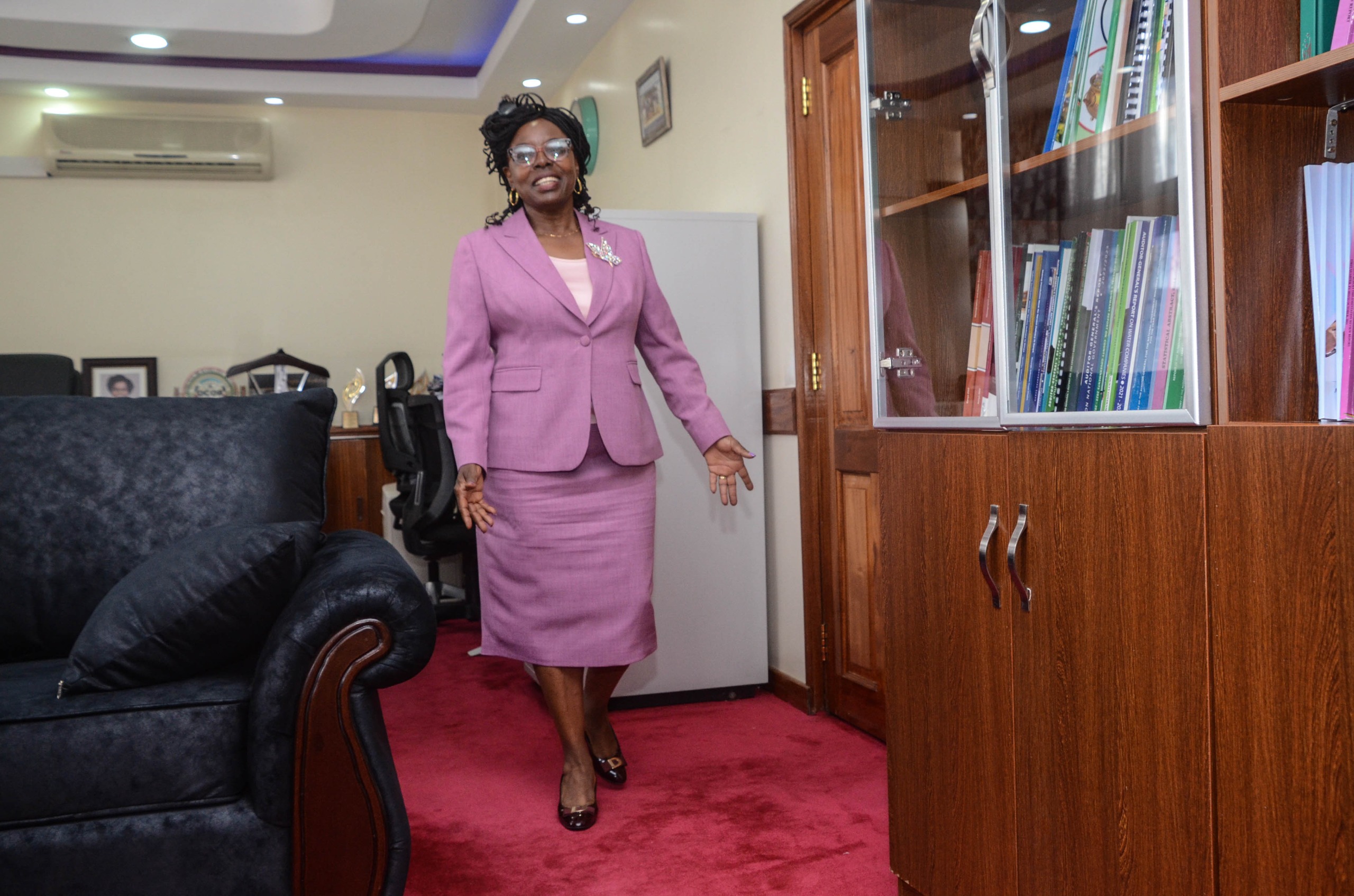
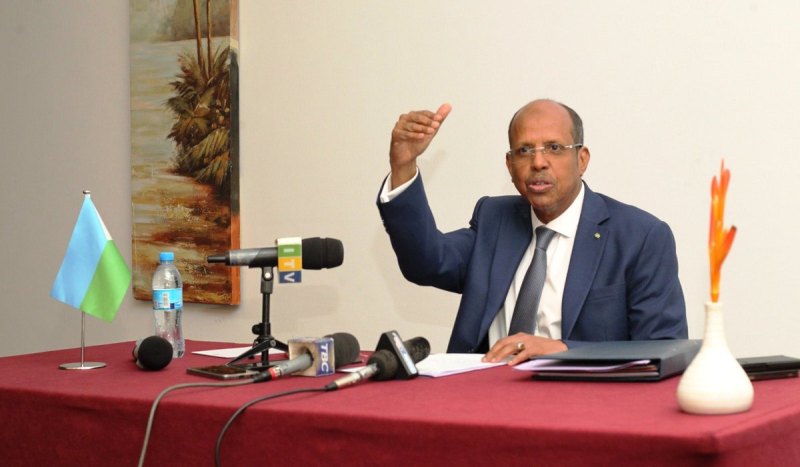
 Controller of Budget Margaret Nyakang'o



![[PHOTOS] Raila Odinga Stadium construction enters home stretch](https://cdn.radioafrica.digital/image/2026/06/45f6990c-4882-4cd2-b83c-8fc730dcdce5.jpg)