The latest bloodshed came during Monday’s Saba Saba demonstrations, when 15 people were
confirmed dead, including 12-year-old Bridget Njoki, who was shot inside her
home in Ndumberi, Kiambu county, as she watched television.
Civil society organisations, including International Justice
Mission (IJM), Missing Voices and Amnesty International Kenya, have condemned
the killings, describing them as a gross violation of human rights and a
betrayal of the constitution.
“These acts represent a serious betrayal of the National Police
Service’s constitutional mandate and a direct assault on the rights and dignity
of Kenyans,” IJM said in a statement on Monday.
The scale of violence has triggered widespread outrage.
According to the groups, 45 people were killed during the 2023
anti-government maandamano protests, 60 died in the 2024 Gen
Z protests, 20 more were shot during a June 25 memorial protest. Fifteen people lost their lives
during this year’s Saba Saba protests, held just two days ago.
This year's protests, intended to commemorate Kenya’s historic
Saba Saba pro-democracy movement, turned deadly across Nairobi and its
surrounding towns—Kitengela, Ngong, Kiserian, Roysambu, Githurai and Kahawa
West.
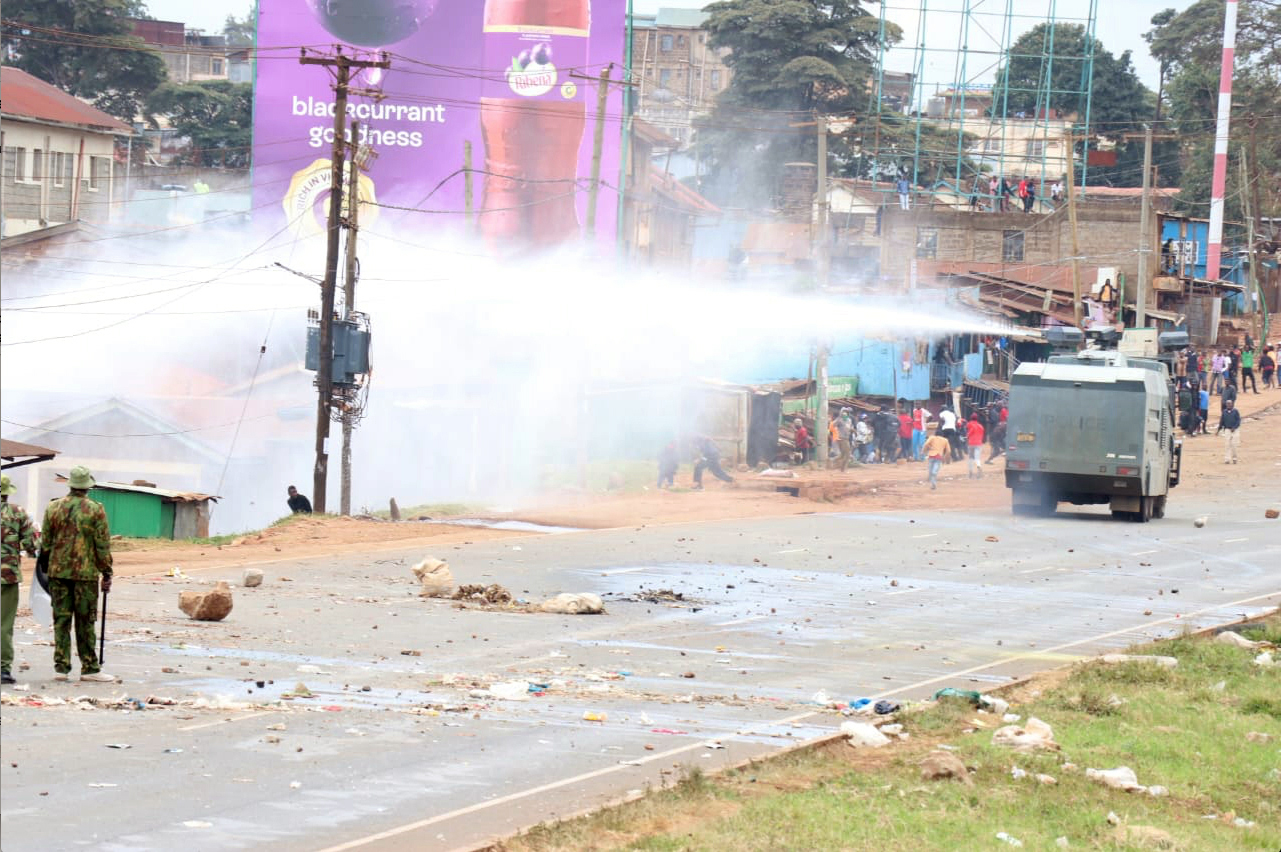
Demonstrators clashed with police. Roadblocks were erected.
Businesses looted. Cars torched. The violence, once again, spiraled out of
control.
A Special Tactical Unit, moving in unmarked Subaru vehicles, was
deployed across affected towns. Dressed in balaclavas and appearing militarised,
they swiftly dismantled barricades and dispersed crowds. But they also left in
their wake a trail of blood, injuries and fear.
“This was necessary because the mob had plans for more destruction
and robbery,” said a senior official aware of the operations.
According to police reports, 567 people were arrested, including
an MP. At least 114 civilians were injured, while 52 police officers sustained
wounds.
In total, 208 vehicles—police, government and civilian—were
damaged.
Businesses, supermarkets, stalls and public infrastructure were
looted or destroyed, particularly in Kiambu, Murang’a, Meru and Kirinyaga
counties.
In Ngurubani, Kirinyaga county, businessman Charles Njirui
Mkombozi said he lost Sh50 million after looters attacked his digital shopping
mall.
In Meru county, Magunas Supermarket was reduced to ashes.
Quickmart Roysambu, County Supermarket Kabati, and many other outlets were
ransacked.
The matatu sector was equally hard-hit. Vehicles were stoned or
torched.
According to Wilfred Bosire, Secretary General of Mass Mobility
Operators, the sector lost between Sh800 million and Sh1 billion as PSVs
withdrew from roads.
“We didn’t expect roadblocks. We had been assured Saba Saba would
just be a working day,” Bosire said.
Meanwhile, politicians traded blame. A group of former Deputy
President Rigathi Gachagua allies claimed the government sponsored goons to
infiltrate opposition strongholds and unleash destruction.
“This points to a clear plan of economic sabotage and purge on the
people,” said MP Onesmus Ngogoyo (Kajiado North).
Opposition lawmakers are now calling for international
intervention, arguing the state is using force and sabotage to cripple dissent.
President William Ruto and Deputy President Kithure Kindiki,
however, defended the crackdown, urging Kenyans to seek dialogue over
destruction.
“We must learn to solve our national problems through
consultations, discussions and peaceful ways,” Kindiki said in Lamu.
Trade CS Lee Kinyanjui said the protests have devastated
livelihoods. “We cannot sacrifice our businesses and terminate jobs to protest
the cost of living – doing so only worsens the problem.”
As the dust settles, Kenya Private Sector Alliance is tallying the
losses. CEO Carole Kariuki confirmed a full report will be issued soon.
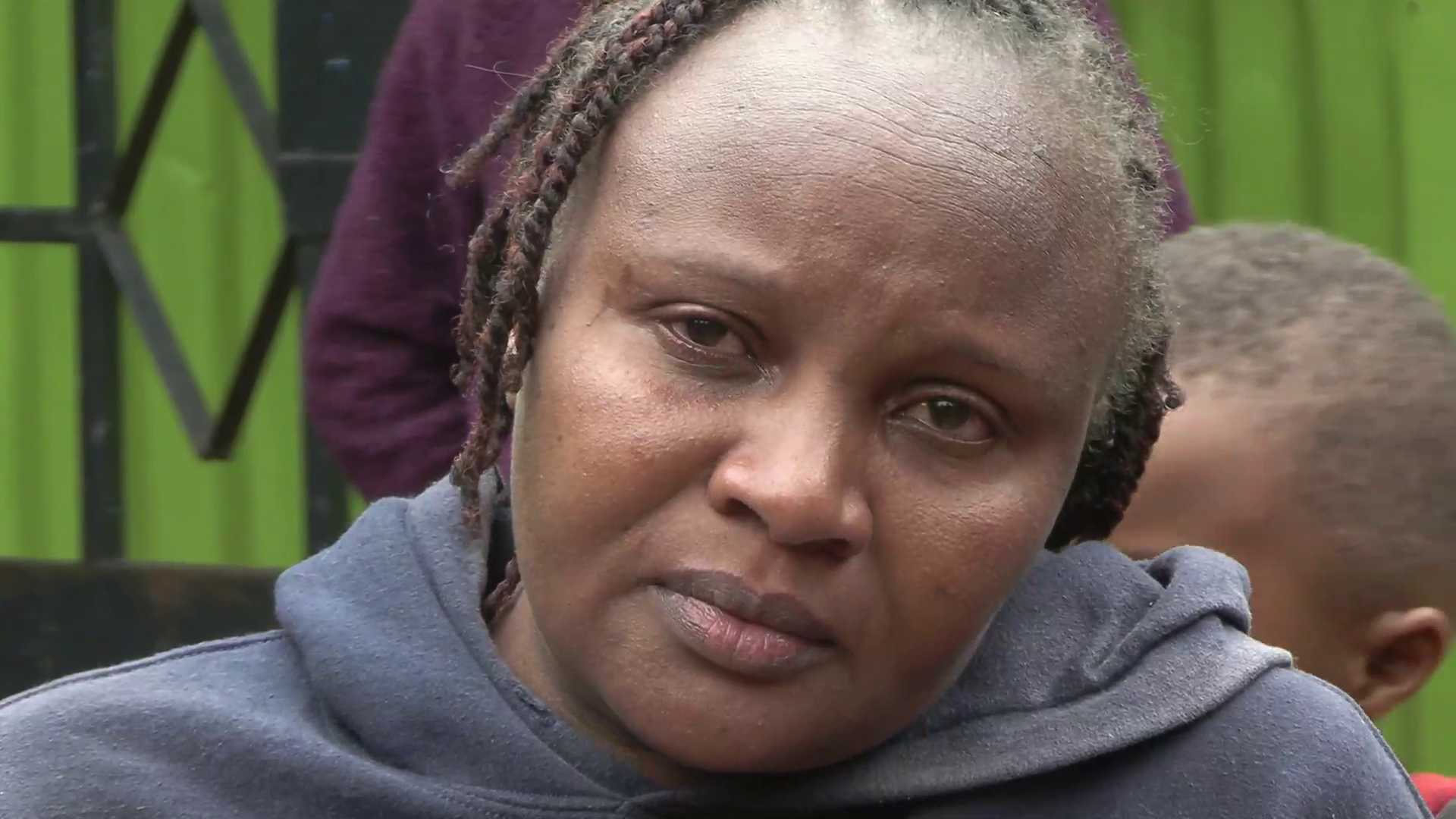
Yet amid the political noise and economic pain, one image stands
out—a child shot dead in her own home.
Njoki’s life was cut short not by disease or accident, but by a
bullet meant to silence protest.
As Kenyans bury their dead and count their losses, civil society
and human rights defenders say the time for accountability is now.
“We are witnessing the slow collapse of our democracy,” said
IJM’s Joseph Ndungu. “If we allow this impunity to continue, we will have
failed a generation.”









![[PHOTOS] Red carpet in Pretoria as Ruto begins South Africa visit](https://cdn.radioafrica.digital/image/2026/06/abe3e750-6e5a-4394-a45c-899768be6240.jpeg)