The media has reported rising tensions between some Kikuyu and Luo political
leaders over recent government appointments.
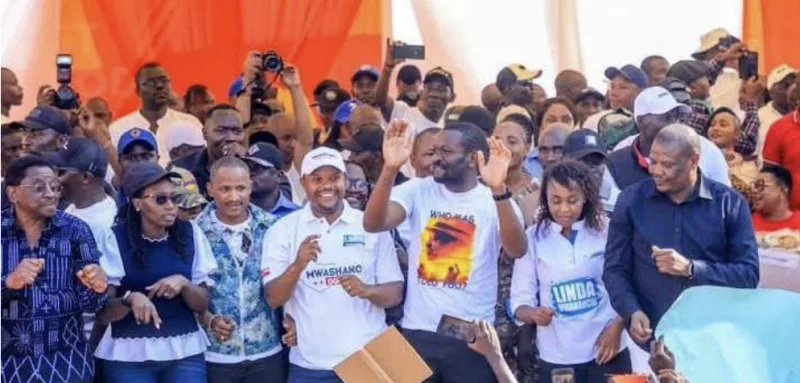
Last weekend, Maragua MP Mary
Wamaua, speaking at a public function alongside Githunguri MP Gathoni
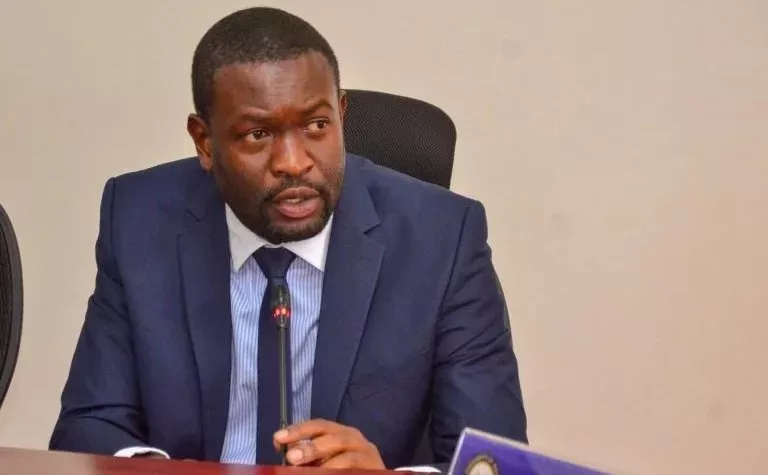
Wamuchomba, expressed opposition to the appointment of John Mbadi as Cabinet
Secretary for the National Treasury and Planning and Opiyo Wandayi to the
Energy docket.
She argued that the finance portfolio is crucial to the national
economy and suggested it should not have gone to a Luo leader.
These appointments, alongside those of Hassan
Joho (Mining) and Wycliffe Oparanya (Cooperatives and MSMEs), have been cited
as evidence of ODM leader Raila Odinga’s influence in government.
Some leaders
allied to former Deputy President Rigathi Gachagua, including Wamaua and
Wamuchomba, have claimed that the Kikuyu community has been sidelined and called for political action.
Meanwhile, a prominent social media commentator blamed a PS, claiming in a social media post that the PS was
responsible for portraying the Kikuyu community in a negative light online.
The commentator alleged that counter-narratives to anti-government protests were
state-sponsored.
Historically, political relations between the
Kikuyu and Luo communities have been marked by both cooperation and conflict.
After independence in 1963, Jaramogi Oginga Odinga, Kenya’s first vice
president, left government following disagreements with President Jomo
Kenyatta.
Subsequent years saw the banning of the Kenya People’s Union (KPU),
the detention of its leaders without trial, and tragic events including the
assassinations of Tom Mboya and Argwings Kodhek.
In 2002, the two communities briefly aligned
again when Raila’s support helped propel Mwai Kibaki to the presidency.
However, the coalition between Kibaki’s camp and Raila’s Liberal Democratic
Party (LDP) collapsed in 2005 after the constitutional referendum. The period
also saw the assassination of constitutional review chair Prof Odhiambo Mbai
and the death of Kasipul Kabondo MP Peter Owidi under unresolved circumstances.
Following these events, Luo leaders largely
avoided alliances with Kikuyu elites. This trend shifted in 2022 when outgoing
President Uhuru Kenyatta endorsed Raila’s presidential bid. Despite government
backing, Raila lost to Ruto, who secured strong support from the Kikuyu region.
Since then, divisions within Kenya Kwanza have
emerged. Gachagua’s impeachment highlighted internal rifts. His allies have
claimed that the Kikuyu interests have been betrayed, particularly after the appointment of Luo
leaders to key Cabinet positions.
Some political observers suggest this
narrative risks inflaming ethnic tensions.
While President William Ruto has emphasised building
an inclusive government, his efforts face resistance from sections of the
Kikuyu political elite.
Analysts warn that public statements and political
maneuvers could deepen divisions between the Kikuyu and Luo communities, potentially
undermining national unity.