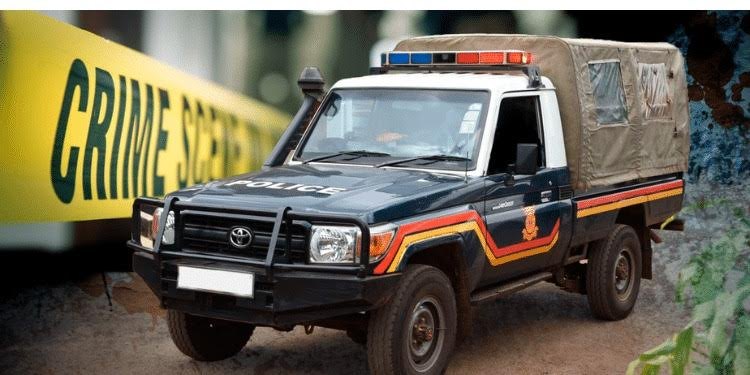
The Kenya Police Service, or perhaps large sections of it, are estranged from the basic principle that 50,000 armed officers can only “reign” over 50 million citizens with their consent under the constitution.
We assume this doctrine is part of the curriculum at the Kiganjo Police Training College, because if it isn’t, then the ignorance, indifference or defiance displayed by riot police during many protests adds up.
For decades, the Kenya Police Force and later the Service, has struggled with image problems emanating from the brutality of its elements, as well as what often looks like the tendency of tribal networks inside it to overzealously “defend the throne”. This refers to sections of the police that remain beholden to the ruling political and tribal class.
Talking of which, it is apt, at this juncture, to pose the rhetorical question of whether the system would have gone out of its way to cover up for Deputy Inspector General Eliud Lagat, or to keep him hanging around the office after the Albert Ojwang’ saga, if the officer didn’t share the President’s ethnicity.
The answer to that question, if it indeed exists, lays the basis for the rest of this conversation on whether or not the Kenya Police is drifting more and more towards a militia rather than a professional security organisation.
Until the then Interior CS, Fred Matiang’i, launched the Direct Entry Cadet Inspectors course in 2021, as part of reforms initiated by President Uhuru Kenyatta, police officers had a uniform recruitment mechanism.
Which meant that the recruit picked with a KCSE mean grade D+ in the field, had the same opportunity as his colleagues, to go all the way to police commissioner, the latter-day inspector general. That certainly was one of the problems with the service, a stark contrast with the military.
For long, there have been running jokes in the country about press conferences by senior police officers, in which they sound incoherent and clownish, in sharp contrast to senior military officers’ articulate delivery and confident mien.
Because the military conducts separate recruitments for officer ranks and servicemen cadres and longer trainings for officer cadets at the Kenya Military Academy, Lanet, the leadership is solid, stable and carries high levels of principle. Subsequently, the discipline required of military servicemen is strict and stiff.
In the case of the police therefore, the structure of leadership and the subsequent discipline make up key cogs in the discourse around them.
In terms of discipline among the uniformed services, a keen watcher and the leadership of the said service can tell breakdown of discipline quite easily.
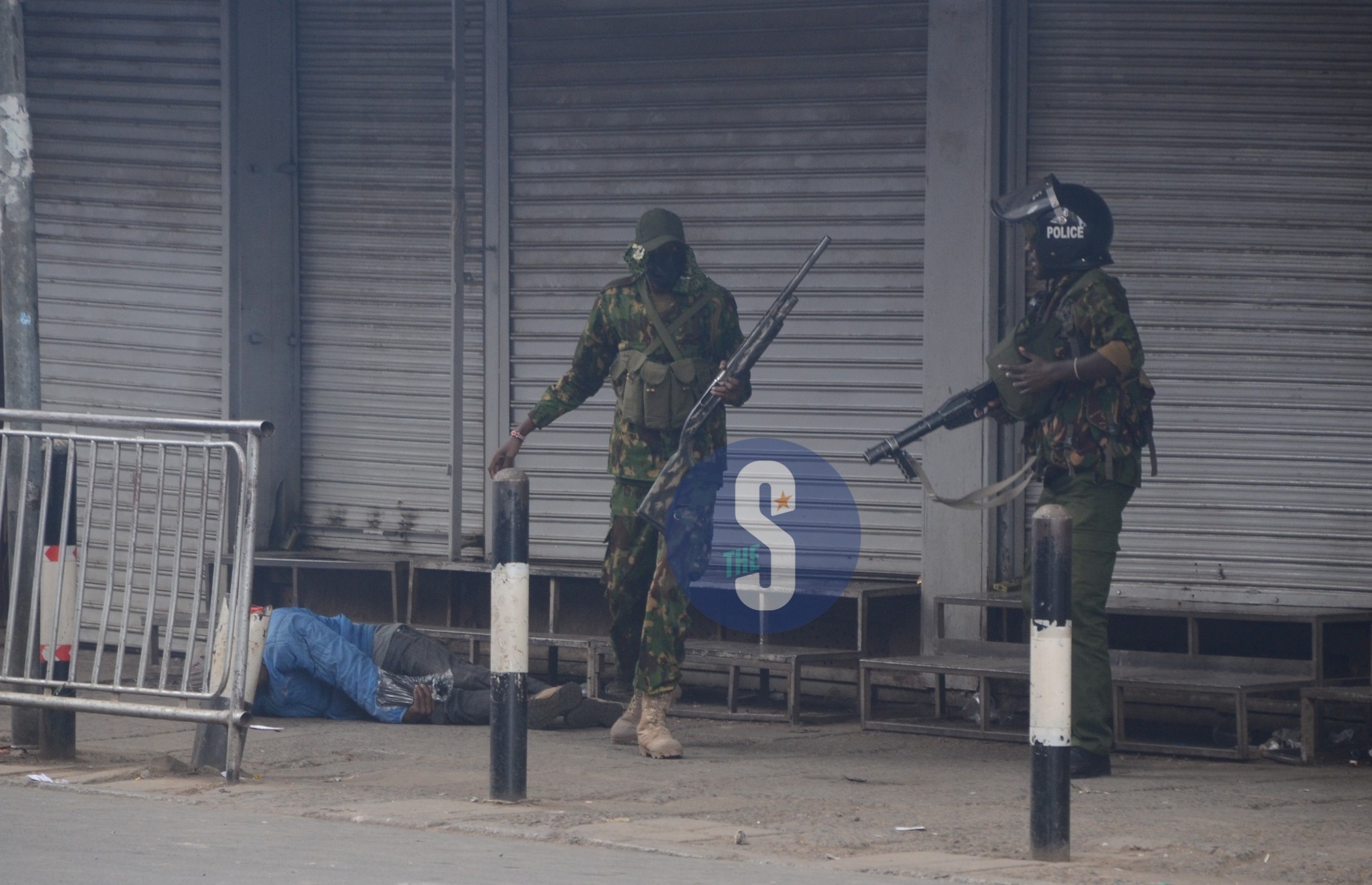
A wrong foot during parades, poor choreography, outbursts against protestors on the streets and rabid anger directed at civilians, all point to poor discipline, long before the police officer shoots an unarmed citizen in broad daylight, in the streets, where technology has now made sure someone is always recording.
In the military, a serviceman or officer who runs afoul of the rules faces disciplinary action very swiftly and it’s all very clinical.
Whether it is recruitment fraud, bar brawls or gun drama, the offending individual in the military goes through the disciplinary process and knows that his fate is sealed.
But in the police force, whether or not discipline will be meted depends on the connections with senior officers and political power brokers, especially the “homeboy” variety.
The result of this is that the police force effortlessly sustains its image as a mere political tool where consequences for actions rely much on political patronage.
There is a lot more that the police can learn from their military counterparts, and two events can provide case studies for this.
The 2008 post-election violence and the June 2024 Gen Z protests both provided compelling grounds for the military to intervene and restore order.
But evidently, the military leadership kept its counsel and stood on the side of auction, perhaps realising that the country may have moved too close to the abyss, but civilian democracy and its foundations were still strong enough to overcome.
I am certain that in the minds of senior military leadership at times like this, were fears that once they stepped onto the streets or intervened in civilian political disputes, they would inherit the usual ethnic and political divisions that bedevil Kenya and would henceforth lose their own ability to remain the most respected institution in the country and fair arbiters in the sustenance of our democracy. This emotional intelligence is something the police would do well to internalise.
Because, make no mistake, the police officer who callously shoots an unarmed civilian in the streets does not have the capacity to weigh the consequences of his actions and would in fact as easily shoot a famous politician demonstrating on those same streets.
This applies too to the senior police commander who sends his juniors to grab a mere blogger in Homa Bay county, who ends up dead, at the exact time that his commander in chief is deeply engaged in building bridges with the same people of Homa Bay.
In fact, this mere act paints the senior officer as more beholden to his own personal feelings than to the tenets of national stability.
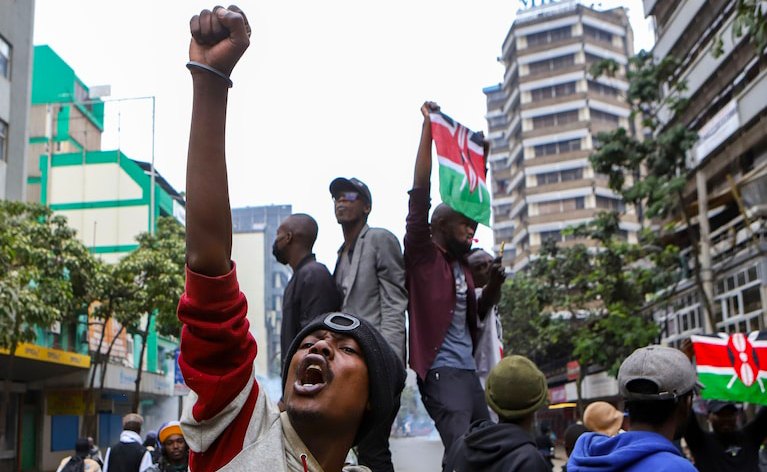
At the time of writing this piece, the anniversary of the 2024 Gen Z protests was being planned for Wednesday June 25th in urban centres across the nation.
The consensus across the nation is that the regime lives in mortal fear of these young people who can organise themselves fast on social media, and hit the streets fast.
It was difficult to gauge how the police would respond to these new protests. Suffice it to say that the relation between the police service and the Gen Z demographic continues to deteriorate by the day.
Over the years, attempts at police reforms have become mere acts of making five steps forward and ten backward.
This is partly because the political class, in reforming the service, has concentrated more on the top command of the police, especially regarding vetting of office holders and security of tenure.
Not much has been done to address the training, doctrine, discipline and operational harmony in the lower ranks.
Of course, there exist issues to do with renumeration, housing and mental wellness of junior officers to deal with before we can get a properly reformed service, so there is still plenty of work to be done.
If police brutality or indiscipline within the ranks constituted rare and far between incidents, it would be safe to say that there are a few bad apples to be weeded out.
But the unending cases of kidnaps, torture, deaths and brutality during riots build up a case of a large-scale problem. Some of the specific incidents even point to the possibility of some units working outside the formal chain of command to run errands for politicians and senior officers.
What the decision makers in the country may forget that just like it has happened in other jurisdictions, one rogue unit soon enough gives rise to others, and stability is thrown out of the window. It is a thin line from formal to rogue, and nipping these rogues in the bud is an urgent task.