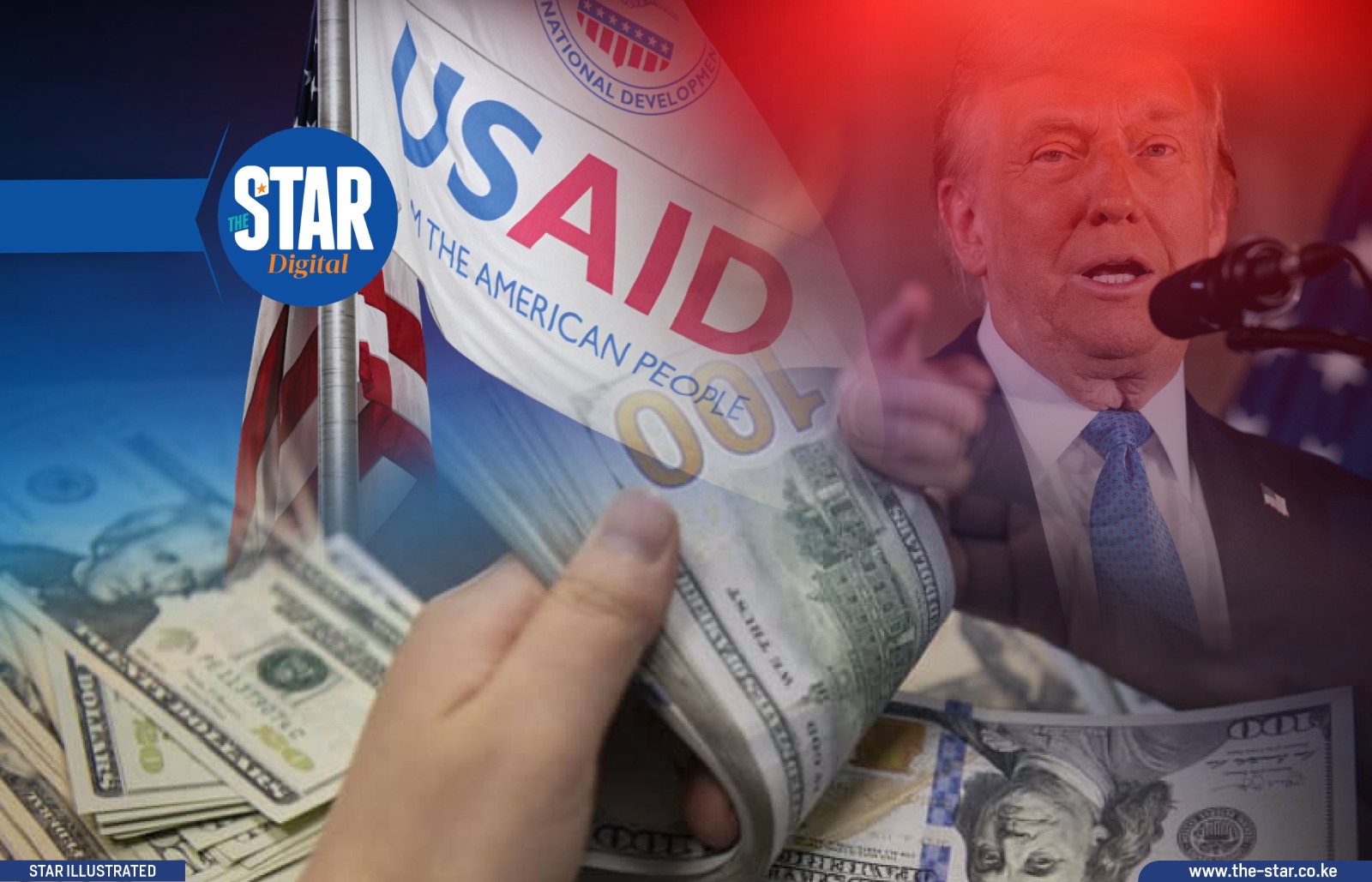
Where USAID money was going
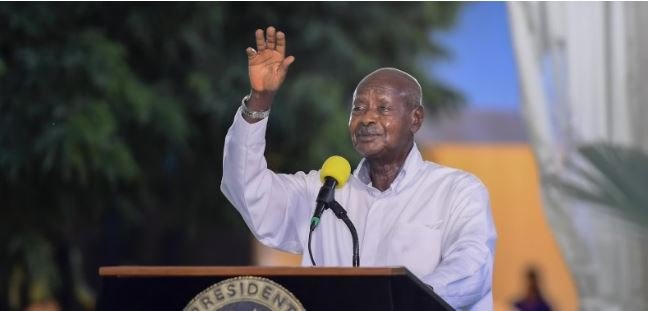
US President Donald Trump has since disbanded USAID.
a y agoWILLIAM WANYOIKEInfographics
The US was the largest global single aid donor, disbursing some $72 billion in assistance in 2023

Audio By Vocalize
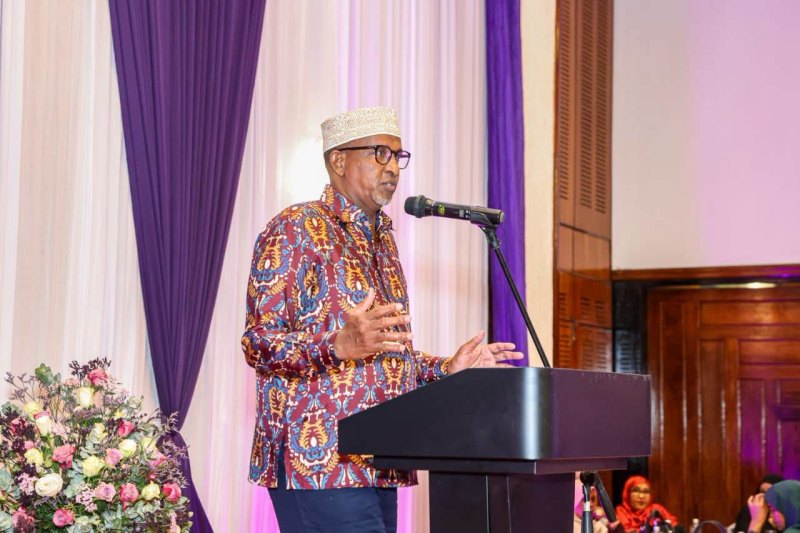
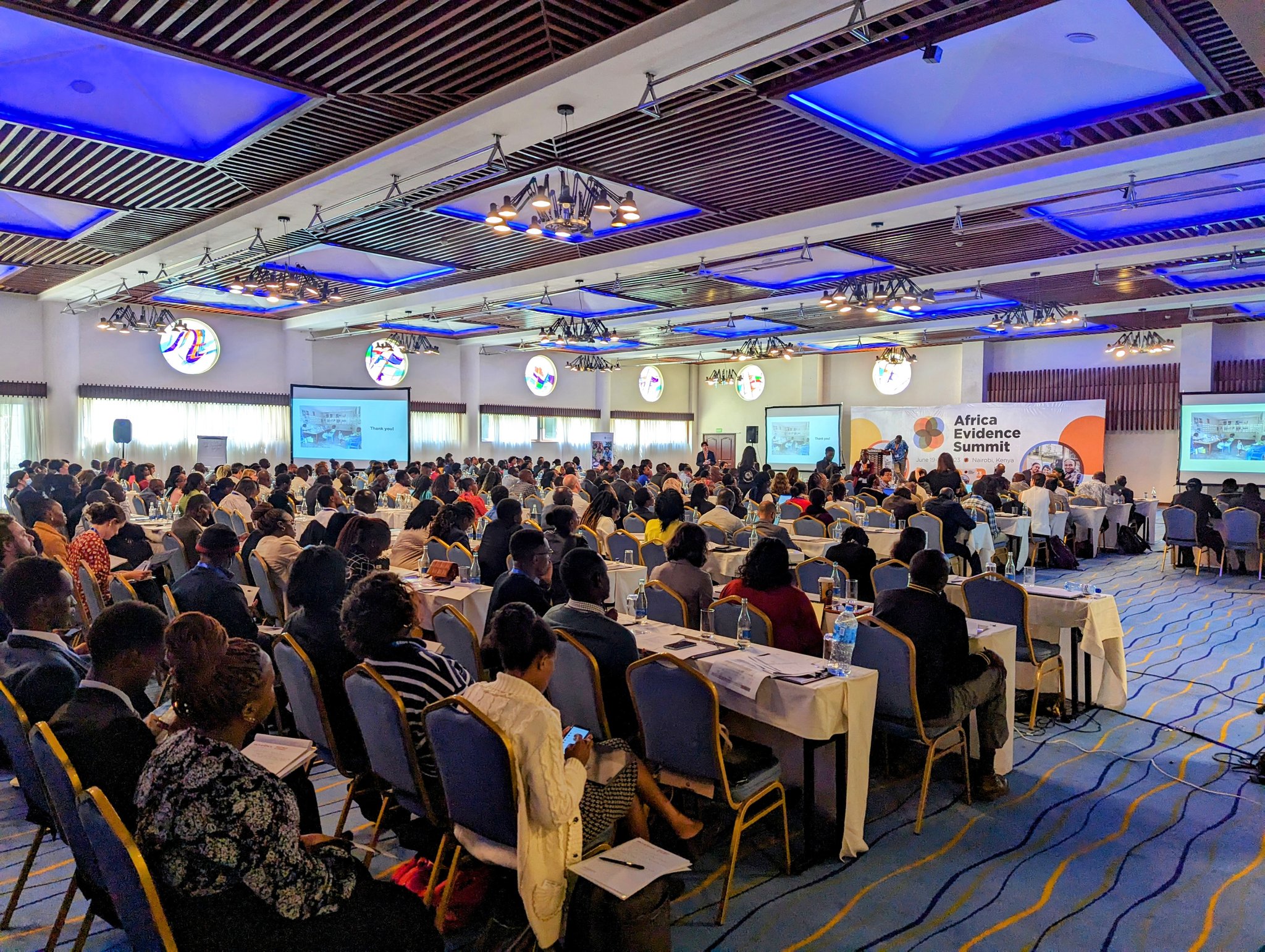 Delegates at the 13th Africa Evidence Summit in Nairobi on June 23, 2025
Researchers and experts
at the Africa Evidence Summit in Nairobi on Monday said the crisis brought
about by the reduced foreign aid funds and budget cuts offers an opportunity to
redesign new systems for health, data systems, and the place for evidence.
The Trump administration
early this year terminated USAID, through which much of US foreign aid was being
channeled.
The US was the largest global single aid donor,
disbursing some $72 billion in assistance in 2023.
The cuts left Kenya with a Sh52 billion deficit
in the 2024-25 financial year, according to Treasury CS John Mbadi.
Network of Impact
Evaluation Researchers in Africa chairperson Prof Amos Njuguna noted that with funding
cuts directly affected programming, one of the
available solutions is to “get more with less”.
“We must try to draw maximum output. For instance,
we have research on the impact of reducing measles vaccine from 10 to five doses, or, for example, instead of children getting five doses, they get three doses.
This means that two of those doses can be saved.
“By 2029, the problem will even be extreme,
because WHO is also cutting the funding,” Prof Njuguna said.
The USIU don added that
to bridge the gaps, governments need to use evidence to inform
decisions and strengthen institutions.
“If we strengthen institutions, especially in Africa,
then you have a situation where you have African-driven solutions for African
problems. For a long time, the problem we have had is trying to address
research problems by using foreign or different approaches that don’t speak to
the needs of the local communities,” he added.
Prof Dean Karlan, co-director
at Global Poverty Research Hub, said even when aid was big, it was small compared
to local governments’ budgets and local resources. And based on this, Prof
Karlan said one of the leverages is in building evidence partnerships to help governments
to spend their budgets in the best ways possible.
He called for research
and evidence to ensure governments do more with whatever they have, regardless
of whether times are tough or not.
“It is far more than anyone’s research or study. What we are learning as evidence of movement is the
collection of it all and that’s how we will be able to move and learn from each
other,” Karlan, former chief economist at USAID, added.
He noted that among the
lessons they had learned at USAID is that they could do more by simplifying
programmes and focusing.
“At the point that I
left, we had shifted $1.7 billion into more effective programmes by using
evidence from all around the world, and the lesson was always to simplify what we
were doing, figure out core programmes and deliver them in scale”.
“But we also lack a lot
of knowledge that we need to know about how to run programmes better and seeing
that integrated in evaluations, especially when working with governments to
figure out how to help them run better programmes,” he added.
Emilie Oftedal, senior
adviser at the Norwegian Agency for Development Cooperation, said one of the approaches
they are adopting amidst budget cuts pressures is getting more with what is
available.
“It is about thinking carefully about how to spend the money that you have and secondly, how can you mobilize
more capital and how can we use the funding that we have as leverage in various
ways,” Oftedal told the summit.
African Population and
Health Research Center executive director Catherine Kyobutungi noted that their
new strategy is also doing more with less and building back better.
Additionally, she insisted
on ensuring closer collaboration between the generators of evidence and the
users.
“We need models that
work, create relationships, and sustain them outside the constraints of
restricted funding. Our question is not that there is a great scientist at
Makerere University, for instance, but how do you connect that scientist with a
decision maker in a way that is consistent and sustainable, and is there a framework
that allows their evidence to be fed into a decision-making process? Kyobutungi
said.
Centre for Effective
Global Action Carson Christiano regretted the abrupt termination of USAID,
which resultantly affected sensitive programmes in health, food security, and
poverty reduction.
Christiano acknowledged there were many programmes that
were doing important work such as the HIV treatment and medical studies that
were providing solutions as well as food aid — lifesaving interventions.
She, however, challenged governments and other
funders to take up frow where the USA left off.
“There is a website called Project Resource
Optimisation that lists some of the programmes that could be restarted if
another donor is willing to step in. So that's been a really important effort.
“But I think this is a real opportunity, as
Catherine [Kyobutungi] said during the panel this morning, for countries to think
about what their priorities are, to use evidence to guide them towards the most
cost-effective interventions, and then to have governments start to pick up and
to start to invest in longer-term and sustainable programmes,” she added.
The two-day 13th Africa Evidence
Summit 2025 under the theme “Better Data for Decision-Making” is focussing on cost-effective,
policy-relevant, transparent, and inclusive research.
It is co-hosted by the Center for Effective Global Action and the Network of Impact Evaluation Researchers in Africa.
US President Donald Trump has since disbanded USAID.