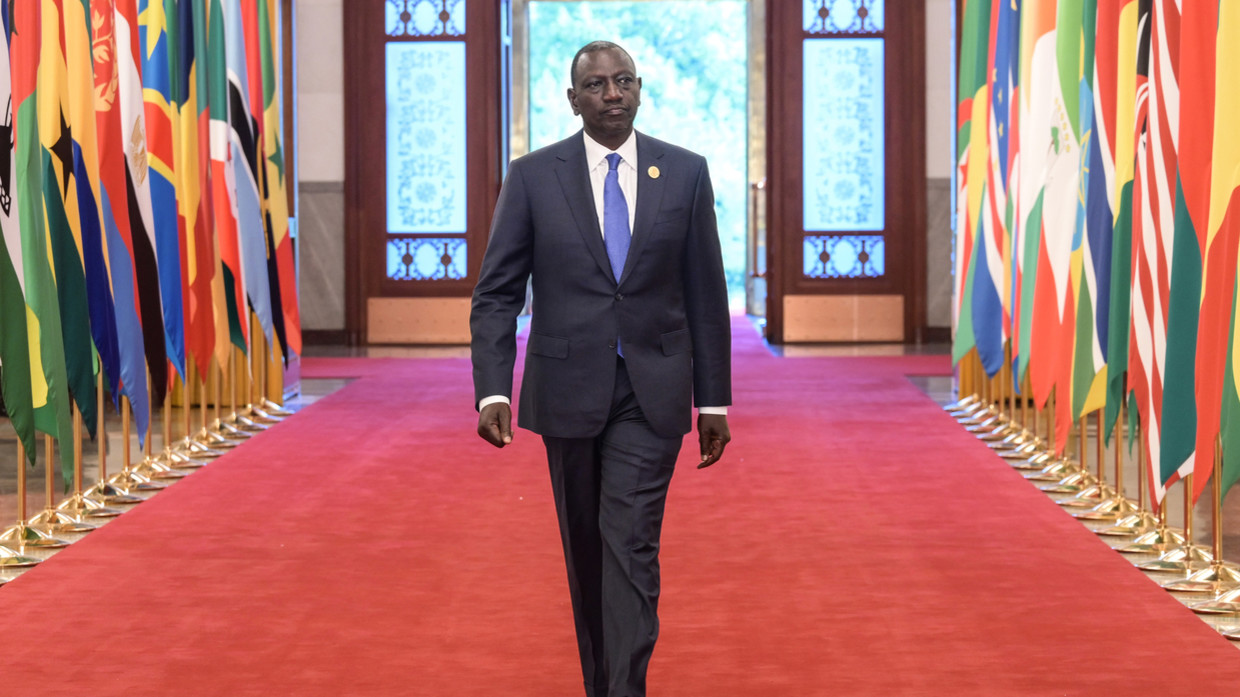
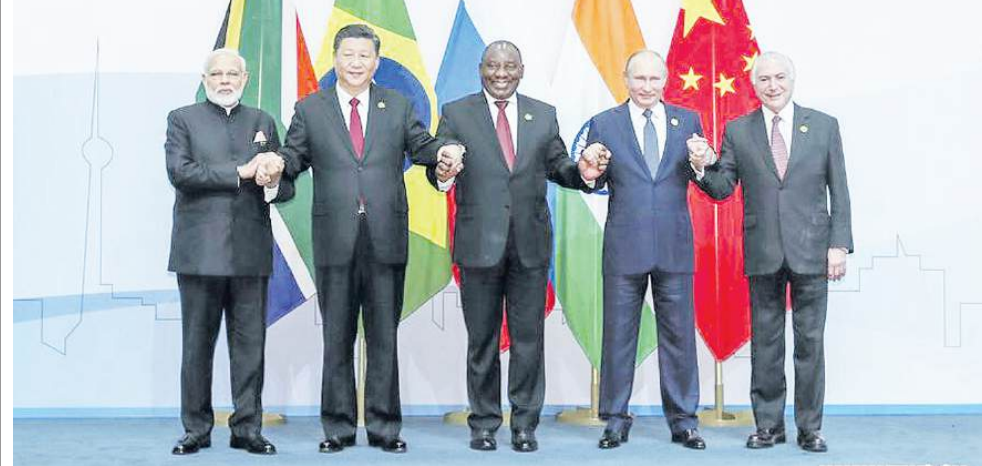
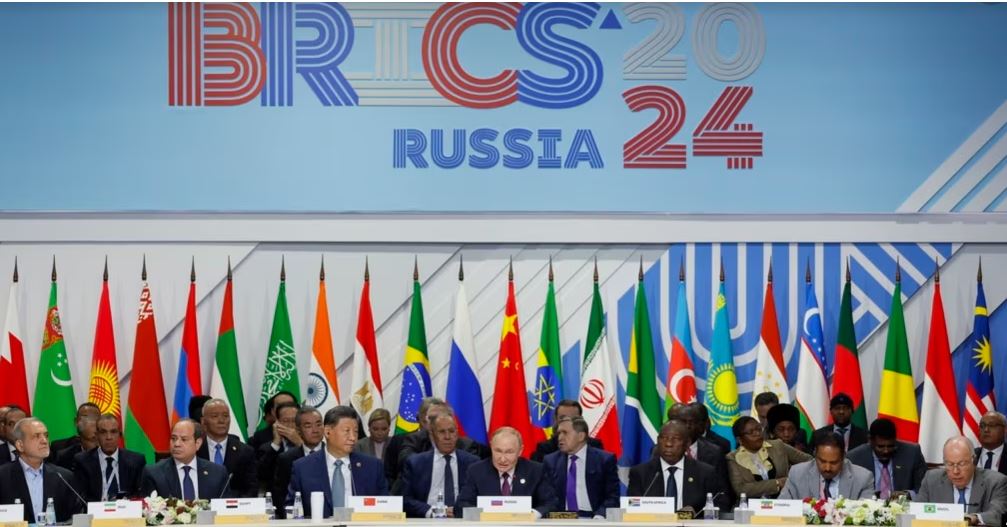
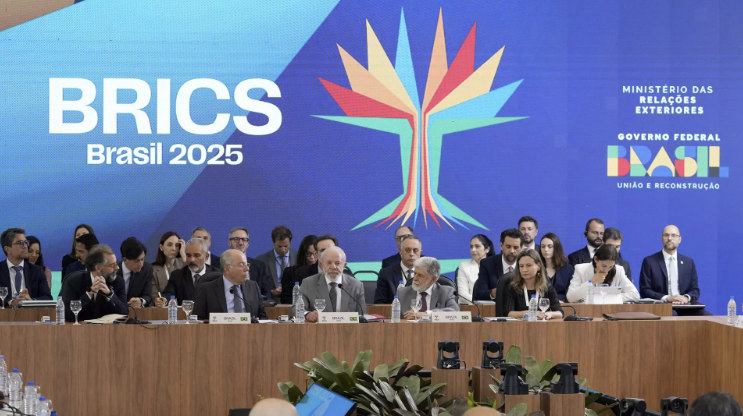
Kenya has recently expressed a strong interest in joining the Brics+ alliance, a coalition of 10 emerging economies comprising Brazil, Russia, India, China and South Africa, with recent additions of Egypt, Ethiopia, Iran, Indonesia and the United Arab Emirates.
President William Ruto’s administration has actively pursued this ambition, notably engaging with Chinese officials to secure support for Kenya’s bid.
The move reflects Kenya’s strategic intent to diversify its global partnerships, reduce reliance on traditional Western allies and leverage the economic and geopolitical opportunities offered by Brics+.
Kenya’s foreign policy has historically leaned toward Western nations, particularly the United States and European countries, through frameworks like the African Growth and Opportunity Act. Such arrangements have however disproportionately benefitted Western economies, leaving African nations like Kenya with limited control over their economic destinies.
For instance, Agoa provides duty-free access to the United States market for certain African exports, but its benefits are conditional and often mirror American interests. Joining Brics+ offers Kenya an opportunity to diversify its trade and economic partnerships.
In addition, Nairobi has repeatedly expressed frustration with the dominance of the US dollar in global trade and lending, which creates challenges during dollar shortages. By joining Brics+, Kenya aims to participate in trade arrangements that prioritise local currencies.
Kenya’s economy heavily relies on agricultural exports such as tea, coffee and horticultural products, which face competitive global markets often dominated by Western trade barriers.
Brics+ represents a massive market today, with member countries accounting for more than 37 per cent of global GDP and 40 per cent of the global economy, measured by Purchasing Power Parity in 2024.
Joining Brics+ would grant Kenya preferential access to these markets, boosting its trade balance and creating jobs. The African Development Bank projects that Brics-Africa trade will reach more than $500 billion by 2030, offering Kenya a significant opportunity to boost its exports.
South Africa’s inclusion into the Brics formation in 2010, for instance, led to increased trade with the outfit’s nations, particularly China, which fuelled economic expansion and benefited neighbouring African economies through investments and acquisitions.
Kenyan firms could similarly benefit from increased trade with Brics countries, especially in manufacturing and services, where Brics nations are significant investors in Africa.
Beyond trade, Nairobi’s interest in Brics reflects a broader shift among African nations toward the Global South, driven by dissatisfaction with the Western-dominated global order. The Covid-19 pandemic exposed the inequities of this order when Western nations hoarded vaccines, leaving African countries struggling.
Brics+, with its focus on inclusive multilateralism and a just and reasonable post-Western order, resonates with Kenya’s Pan-African aspirations, as articulated by President Ruto’s advocacy for reforms in international institutions like the UN Security Council.
Brics+ offers Kenya a platform to advance African priorities such as climate action, conflict resolution and fair trade practices, thereby elevating its diplomatic stature.
Like most developing countries across Africa, Kenya faces significant infrastructure financing gaps, with projects like the Standard Gauge Railway and the Rironi-Mau Summit Road requiring substantial investment.
The Brics New Development Bank, established in 2014, offers loans, guarantees and financial support mechanisms tailored to the needs of developing nations, often with fewer conditions than those imposed by Western lenders.
President Ruto has highlighted ongoing discussions with China, a key Brics+ member, for funding mega infrastructure projects, such as the extension of the SGR from Naivasha to Kisumu and Malaba, among many others. Brics+ membership would significantly buoy Nairobi’s access to infrastructure development financing, which is critical for economic growth.
Brics+ membership will also grant Kenya unrivalled technological and cultural exchange opportunities. Brics+ nations, particularly China and India, are leaders in technological advancements, including artificial intelligence and generic drug manufacturing.
Joining Brics+ would facilitate technology transfers, enhancing Kenya’s industrial and technological capabilities. For instance, India’s expertise in generic drugs could support Kenya’s pharmaceutical sector, reducing reliance on imported medicines.
Additionally, Brics+ membership would foster cultural and educational exchanges, improving skills and innovation among Kenya’s workforce.
Finally, by aligning with Brics+ Kenya would be fostering its resilience against geopolitical risks. Nairobi could easily mitigate risks associated with over reliance on Western partners, in the backdrop of the escalating geopolitical tensions.
While this shift could strain relations with Western allies, who may view Kenya’s pivot as a threat to their influence, it is a risk worth taking. Balancing these relationships will be critical, a task that Kenya’s foreign policy architects should attempt with boldness and innovation.