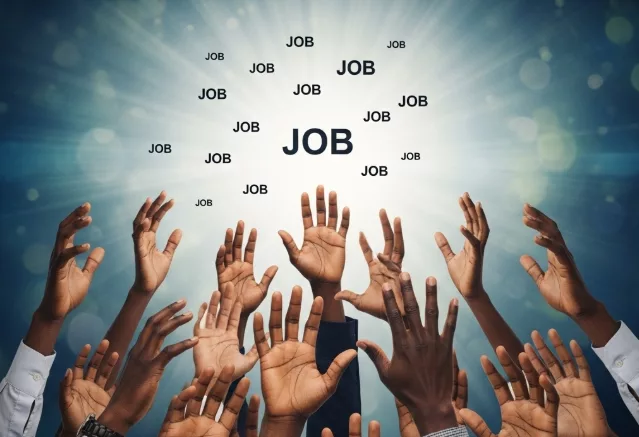
One of the things from a recent study I did that surprised me is that refugees based in Nairobi, who have been in Kenya for more than 10 years, still find themselves mostly relying on their refugee networks for jobs.
This simply means in as much as they have been around for a long time in Nairobi, they are still not fully integrated, with most citing discrimination as biggest hurdle to entry into labour markets.
They therefore carry their refugee status, almost forever, in the eyes of the hosts. Is this wrong? Yes.
However, let us look at it in a balanced way. The globally accepted definition of a refugee is: “Someone who is unable or unwilling to return to their country of origin owing to a well-founded fear of being persecuted for reasons of race, religion, nationality, membership of a particular social group, or political opinion. This is according to the 1951 refugee convention.
Basically, the above definition means if refugees are to leave their host communities, they will only seek shelter in another area, where they will have to go through registration and settlement issues once again.
So since the chances of them going back home is very slim, why not make them feel at home in our camps and urban areas while integrating them in our communities, especially those that choose to settle in urban areas.
Many refugees who settle in urban areas, despite having fled camps and a few not having legal permits to settle in places such as Nairobi, face different styles of discrimination.
This ranges from police harassment, sexual harassment, inability to secure places to stay as tenants have a lot of doubt in their ability to pay rent.
They are also unable to trade goods and services since their status makes them targets for targets of exploitation.
Many refugees also cite their inability to register phone numbers for communication and transaction of business.
When you actually hear some of these issues from the refugees themselves, you can only pity their displacement in a foreign land and inability to go home.
Do they want to go back home one day? Absolutely yes. It is only their current situation and the instability of their countries and fear of the unknown that keeps them in Kenya, more so in Nairobi, trying to find casual jobs such as carpentry, hairdressing, masonry, hawking, cleaning, dancing, art, language translation commonly French to English or Swahili and vice versa.
Most refugees in Nairobi possess a skill or two that is unique to the host communities. So why don’t we give them a chance instead of putting them through a new trauma of discrimination, yet they have enough to deal with from their societies, which have put them through trouble enough to unfortunately try to fit into our society?
While at it, refugees having a democratic voice is vital, they can speak freely on the issues that affect them in our society. They should be made to participate democratically in decision-making processes ensuring any policies that Nairobi county comes up with that touches on them reflects their needs, protect their rights, and support their integration.
This maybe might help in fighting discrimination of refugees from the policy level, down to the community level. Integration and inclusion will combat their marginalization, reducing social tensions and fostering mutual respect, while promoting their dignity.
Vera is a Democracy Support Researcher and Scholar - [email protected]