State plans golden handshakes in parastatal merger
Parastatal mergers spark job loss fears as treasury plans workforce cuts
by MOSES OGADA
Audio By Vocalize
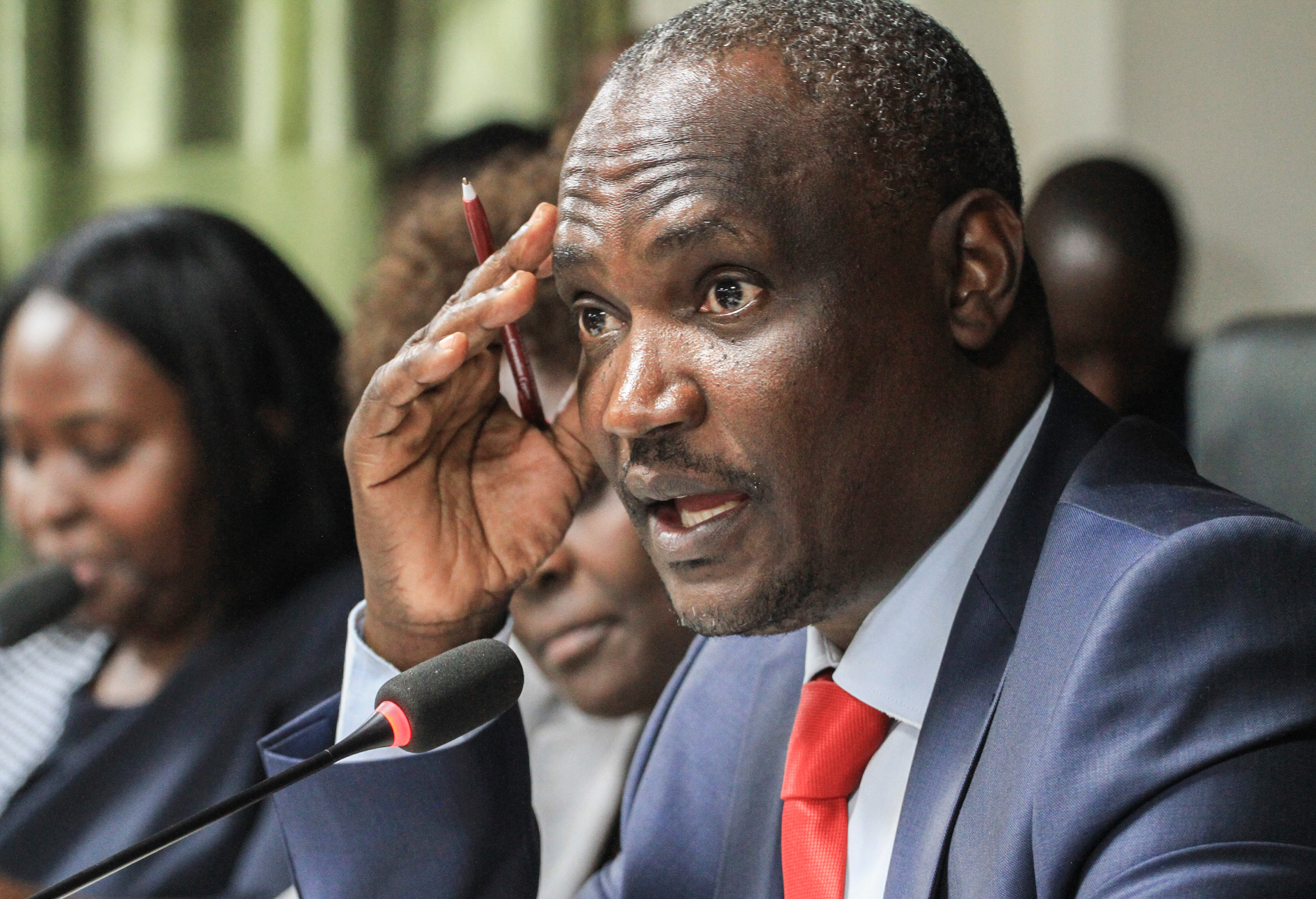
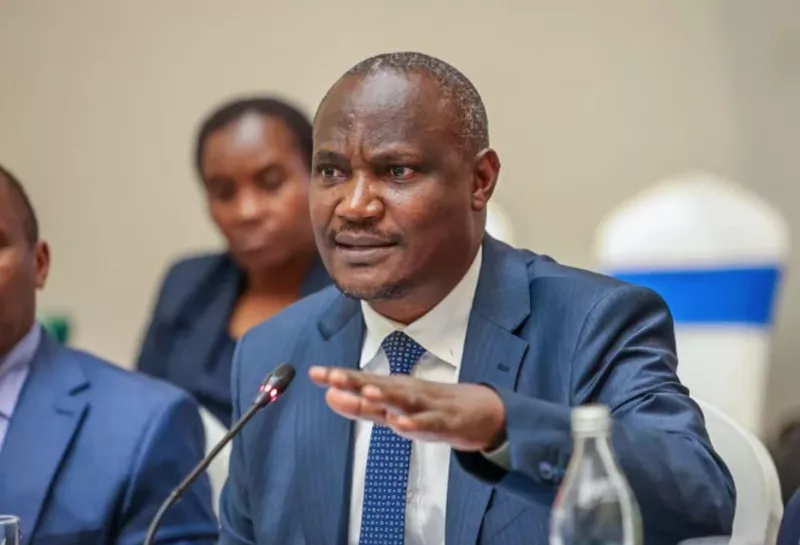
National Treasury CS John Mbadi before Debt and Privatisation Committee at the Continental House in Nairobi on September 24, 2024 /ENOS TECHE
Civil
servants working in state corporations are staring at an uncertain future as
the government advances plans to merge several parastatals.
The National
Treasury has indicated that these reforms will likely lead to significant
workforce reductions.
The
government plans to offer affected employees voluntary early retirement
packages as part of the transition process.
Treasury CS
John Mbadi revealed details of the impending changes in notes accompanying
2025-26 budget estimates.
He explained
that the restructuring would have a dual financial impact.
Not all
affected workers will lose their jobs. Some could be reassigned to positions within
the restructured entities.
"Once
Cabinet approval is obtained for the implementation of the reforms, the
government will allocate budgetary resources to fund voluntary early retirement
for employees who choose not to be redeployed," Mbadi said.
In January,
the Cabinet approved the merger of 42 state corporations, collapsing them into
20 “more efficient” agencies.
The top
governing body observed that the agencies were struggling to meet their
contractual and statutory obligations, and plagued by huge pending bills.
Nine
corporations were dissolved and their functions transferred to other state
agencies, while 16 with outdated functions are to be dissolved.
Careers of
chief executive officers, board chairpersons, and members as excess staff are
on the line.
There are
about 3,100 employees at the state corporations that are tipped for
restructuring.
About 520
employees, among them CEOs and board chairpersons, are from nine state agencies
that are set for dissolution.
Another
2,600 are at agencies which Cabinet resolved were offering services that can be
provided by the private sector.
As such,
many public sector employees face difficult decisions about their future
employment.
Treasury
disclosures show that the implementation is imminent.
Already, a
team tasked by Cabinet to execute the reforms is evaluating staff complements
and competencies.
Strategic
placement or deployment of affected personnel is also underway, the disclosures
show.
“This
process ensures that individuals are effectively reassigned to pertinent
entities or allocated to other MDAs,” the report reads.
“The entire
process is expected to be completed by the end of financial year 2024-25,” it
adds.
It emerged
that a team which was formed to execute the reforms as sanctioned by Cabinet is
already on the move.
The
committee comprising Office of the President’s, state corporations advisory
committee, public service department, attorney general, and inspectorate of
state corporations representatives is also listing assets and liabilities of
the affected entities.
Treasury
disclosed that the multi-agency team has analyzed laws governing the affected
agencies and has drawn a new legislative plan to facilitate the reforms.
“The
objective is to facilitate a seamless transition for all staff while mitigating
the risk of job losses,” Treasury said in the brief to MPs.
After it
completes it task, it is expected to prepare a Cabinet memo for the top
governing body’s consideration.
Treasury
indicates that the memo would require the AG and all CSs to facilitate the full
implementation of the reforms.
The memo is
to also compel the exchequer to allocate resources for voluntary early
retirement.
The scheme
appears designed to provide a measure of compensation for those who may choose
to leave government service.
Questions
remain about how many positions will ultimately be eliminated and what criteria
will be used to determine which employees keep their jobs.
But Treasury
says the second phase of the plan promises substantial cost savings for the
government.
According to
Mbadi, the exact amount of budgetary savings will only become clear after the
reforms are fully implemented.
The mergers
are part of broader public sector reforms that have been under discussion for
several years.
The
government pumped about Sh106 billion last financial year, hence could save up
to Sh53 billion with the proposed merger.
The 2025
Budget Policy Statement says state corporations are the major sources of
contingent liabilities to the government.
This is premium content
Subscribe to Continue Reading
Help us continue bringing you unbiased news, in-depth investigations, and diverse perspectives. Your subscription keeps our mission alive and empowers us to provide high-quality, trustworthy journalism. Join us today to make a difference!