Classrooms were inadequate
for Junior Secondary School (JSS)
learners. Adding to the pressure was
inadequate resources from the government following the rejection of
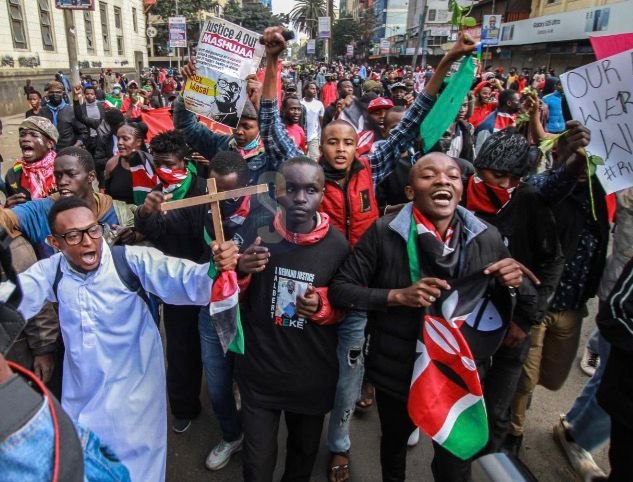
the Finance Bill, 2024.
“There was
fire everywhere,” he says.
“It has been crisis after crisis, but
somehow, with God’s grace, we have
managed to steer through.”
Ogamba explains how he navigated the chaos and worked to stabilise
the education sector.
Excerpts:
How would you assess the progress
of the CBC rollout and what has been the most significant achievement
so far?
When I came in, I found teachers
were being retooled and the government had deployed almost 76,000
teachers to cover the shortfall as per
an assessment conducted. But, one of
the biggest issues was where to domicile JSS, which includes grades 7,
8 and 9.
There was a misconception
JSS was only Grade 9.
Junior school was already in primary and the Presidential Working Party
on Education Reforms found 93 per
cent of submissions recommended domiciling JSS in primary schools due to
cost, uniform changes and the young
age of learners.
However, some felt JSS should
move to high schools.
The major challenge was determining where to place Grade 9 since we
were transitioning from the 8-4-4 system and new classrooms were needed.
There was also limited time to construct 16,000 classrooms for Grade
9 before January.
Luckily, the government secured
Sh11 billion from the World Bank
for 11,000 classrooms and Sh3 billion from the government, matched
by another Sh3 billion from CDF to
build an additional 5,000 classrooms–
totalling 16,000.
The problem now was completing
16,000 classrooms in three months
before January’s transition.
To meet the deadline, we decided to devolve the funds directly to
schools based on student numbers
and classroom needs.
The uniform
cost per classroom was Sh1 million to
ensure nationwide consistency.
This worked and by January,
14,500 classrooms had been completed. By mid-February, all 16,000 classrooms were completed.
What are some of the significant
achievements since you took over?
There have been complaints about
the Kenya Universities and Colleges
Central Placement Service portal
crashing, so we decided to open
applications in phases.
We started
with TVET institutions, processed
those applications, then moved on
to KMTCs and TTCs.
Now, we are set to open university
applications in the next week.
This phased approach has really
helped and prevented system failures.
To prevent malpractice in KCSE
exams, we digitised the system by personalising exam papers with student
photos and index numbers.
Student identities were removed
before marking to eliminate bias, with
enforcement of a ban on publicising
the arrival of exam papers to prevent
leaks.
Another thing we did was remove
the standardisation of exams. This
led to an increase of 46,000 students qualifying for university from
202,000 to 246,000.
In terms of transition from secondary schools, we have registered
more than 700,000 students in TVETs
up from 450,000 and my target is
to reach two million. This was done
with the support of NGAOs.
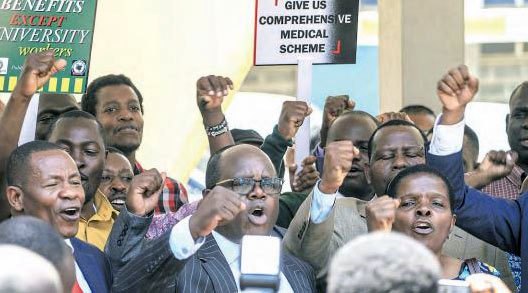
The education sector was also facing strikes, including those by Knut,
Kuppet, the university staff union and
even student protests over funding.
We started negotiations and successfully resolved the disputes.
At Moi University where students
had been stuck for nine to 12 years due to administrative issues, intervention led to a resolution.
Students
graduated on November 28 last year
and there is another graduation on
March 28.
Similarly, the Technical University of Kenya was reopened after staff
disputes were addressed.
On university funding, a court ruling nullified the model for first and
second-year students. However, the
government started reviewing the
model in September 2023 through
a presidential committee.
The legal basis for the nullification
remains questionable, as it was argued there was no public participation in the process.
We are addressing this matter and
we are confident before September
when students start reporting, it will
be working.
There are frequent delays with the disbursement of capitation, what
measures are you putting in place
to address it?
We have agreed with the Treasury
that going forward we would put in the application much earlier.
What I am
also looking at and hoping is to reach
a level we are able to ringfence the
budget for the Ministry of Education
so funds are available when required.
You recently ordered schools to release withheld certificates, what
prompted this decision?
The Kenya National Examinations
Council Act, 2012, section 10 (1b)
says nobody should hold a certificate
belonging to a child for any reason.
But, there are teachers who have
been holding certificates belonging
to students for 10 years.
Even if they owed money, this idea
of holding certificates for 10 years
begs the question- ‘what fees is it going to give you?’ You need to look
for another method of getting money.
I know it is an unpopular decision,
but when it is in the interest of the
public, you should not be afraid to
make hard and right decisions.
During vetting, you were told about
cartels in the ministry, how have
you dealt with them?
I have not encountered these cartels and no one has stopped me from
doing my work. You know, the education sector has the highest number
of organised groups who want their
voices to be heard.
We need to get a
way of listening to all and understand
where are they coming from.


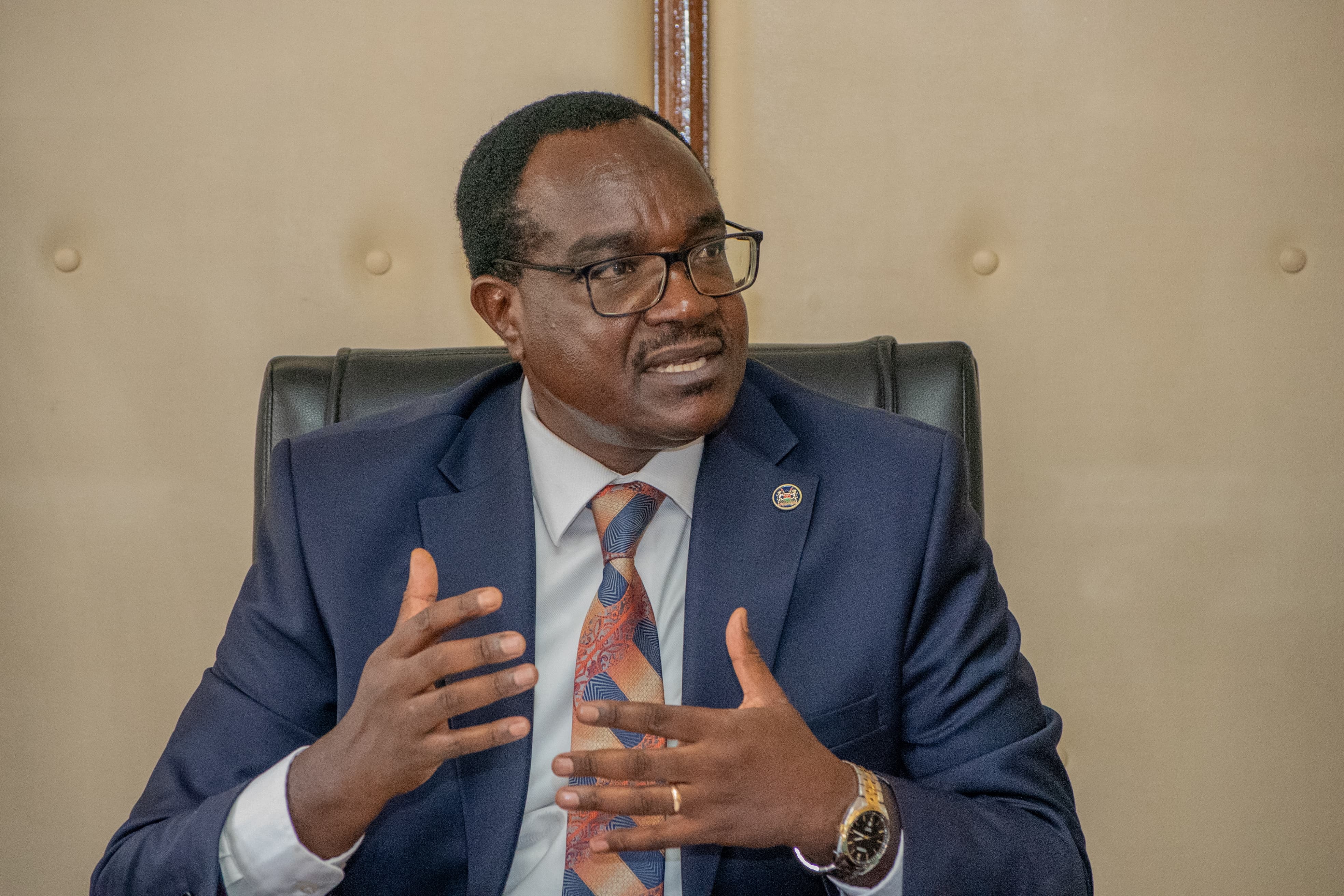
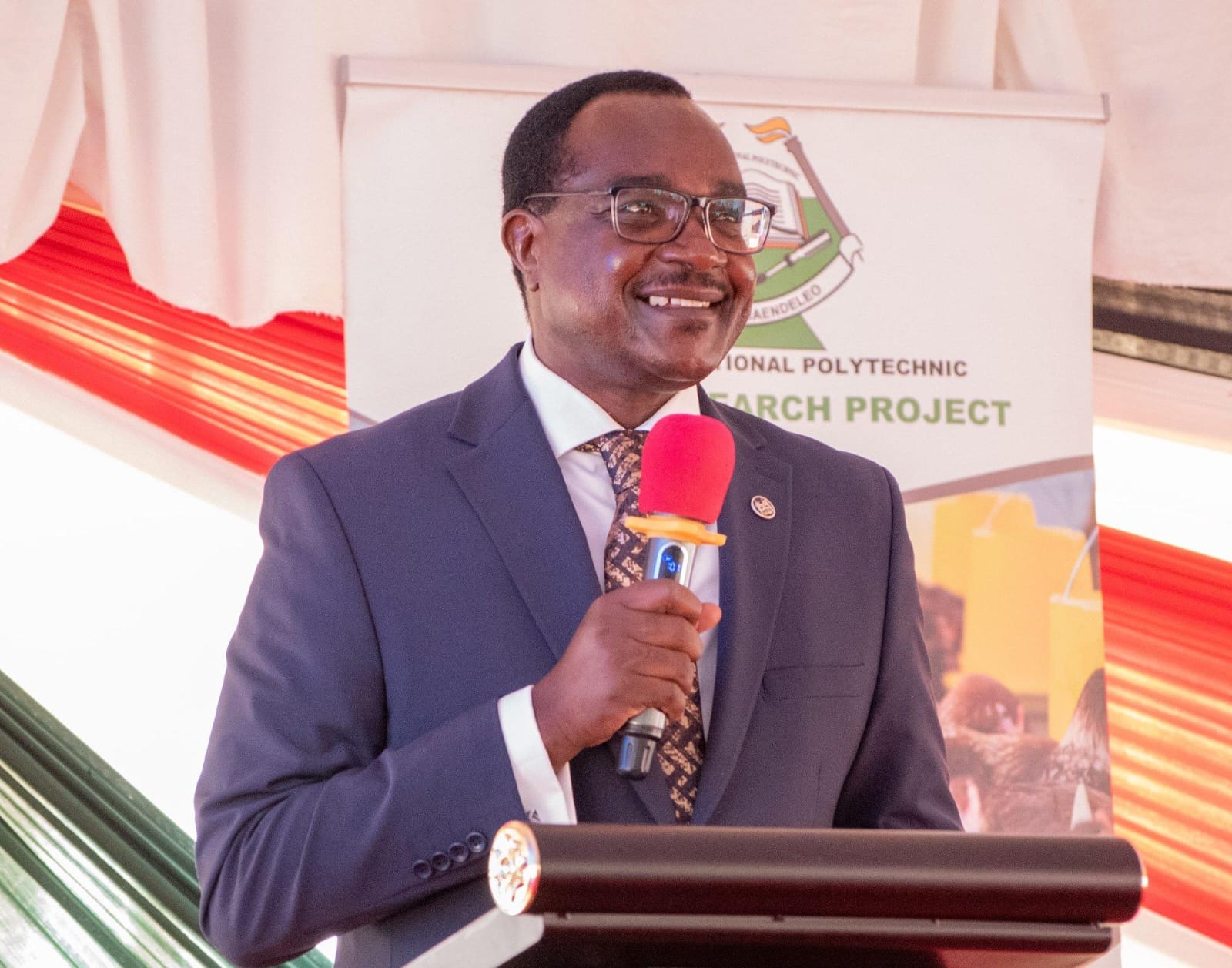
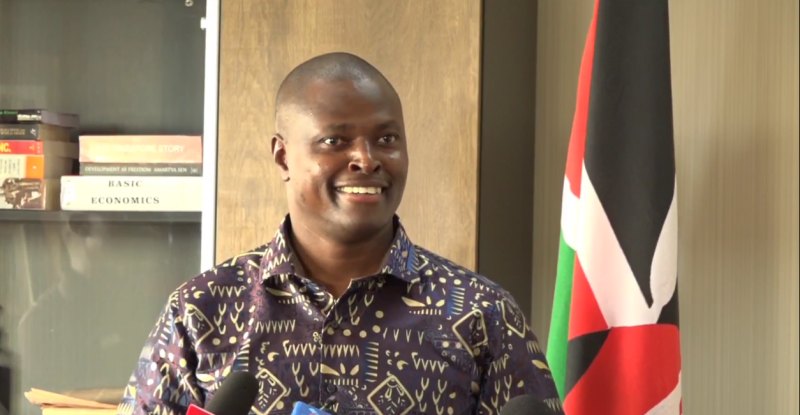
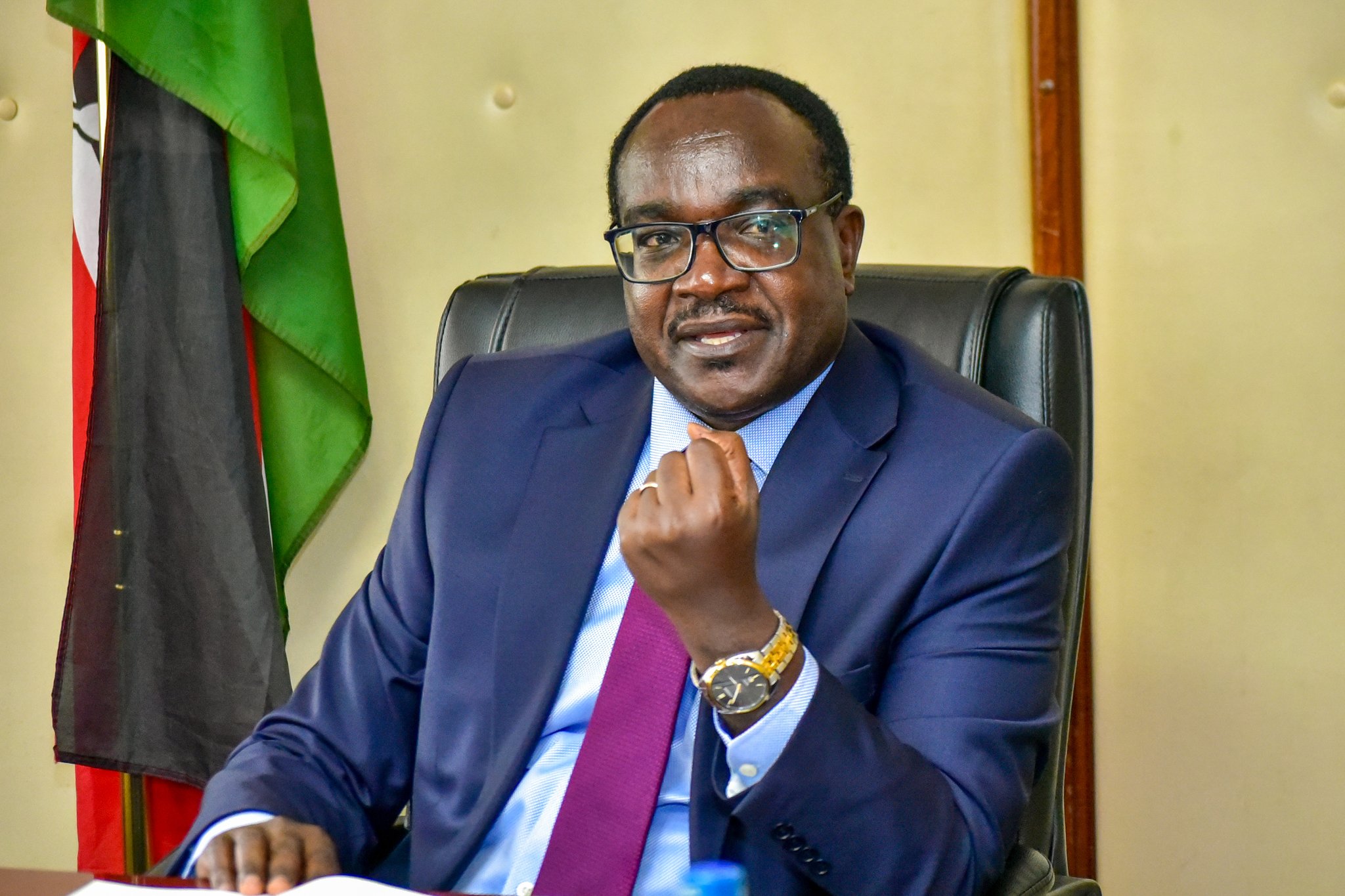 Education Cabinet Secretary Julius Ogamba/HANDOUT