Coordination of various activities in government is deeply disjointed and flow of information casual with only top officials knowing what is happening as mid-level and grassroots officers have no idea, feedback by Regional Commissioners shows.
Some of the projects and key government policy directives are only known and talked about by top officials such as the President and close officials yet regional and grassroots administrators tasked with following up on them don’t know them.
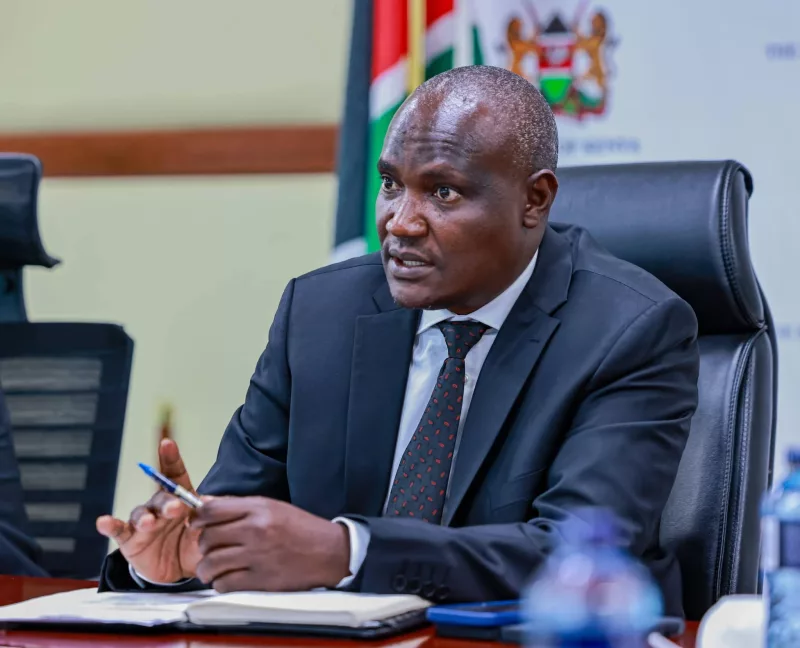
The feedback was shared by Interior principal secretary Raymond Omollo during a meeting of the national government coordination secretariat chaired by Prime Cabinet Secretary Musalia Mudavadi at his Railways office on Thursday.
The PS, who gave a brief prelude of the feedback by the administrators, said the flow of information about key policies and activities was largely unprofessional.
For example, he said, most regional administrators tend not to know key events by senior officials like cabinet secretaries and principal secretaries such as visit to various parts of the country. The administrators get that information from politicians rather than through formal channels of communication in government.
“It is a disheartening situation when the RCs and County Commissioners receive information about tour of their regions by senior officials like CSs and PSs from politicians rather than from the line of communication in government,” he said.
“Officers are always caught unawares on the key visits while they should be the ones knowing about the tours and the activities, and participate in the preparations as well as sharing of such information,” Omollo said.
He added, “A lot of information [about key projects and initiatives] is domiciled at the top of the government hence the ground does not know what is being done and the rationale for the decisions and the initiatives.”
Sometimes top figures like the President, his deputy and the Prime CS make pronouncements on key agenda but the grassroots administrators who are supposed to oversee their execution and getting public buy-in on them, do not know.
The PS also said there was massive duplication and non-cooperation among government ministries, departments and agencies with each seeking to outsmart another in whatever they are doing. This eventually ends up doing the same thing and, in the process, taxpayers’ money is lost and nothing meaningful comes out of it.
“There is a gaping lack of cooperation and duplication of mandates with a silo mentality which then undermines coordination and effective synergy for the good of the government bottom-up agenda,” the PS said.
He also said the feedback mechanism in government was wanting, meaning that the flow of information is largely top down, with the lower cadre officers not getting to speak back on what the ground is thinking over decisions or projects.
“The feedback mechanism is not adequate so that the RCs and the NGAO officials inform us on what is working and not working,” he said.
Mudavadi emphasised the need for the working in close quarters by ministries, departments and agencies for synergy and doing away with the silo mentality.
He said in the days of the provincial administration, the regional administrators played crucial roles in communicating government agenda with the public and their words were credible.
“During that time, the regional officials were empowered such that they were able to get information from the ground and the accuracy of such information was never in question,” he said.
To address the challenges identified, PS Omollo said the top leadership of government and the ministries should openly engage with NGAO officials.
"The training and experience of the NGAO officials allows them to deal with everything and anything. The top officials should be free and open to engage the officers on any matter," he said.
He also said to cut the bureaucratic chains that mostly makes government working cumbersome, officials should cut off the letter exchanges for face to face interfacing and only do a final letter after a quick decision has been made.
"Instead of back and forth in letters that take forever to be answered, officials should just walk into each others office and thrush the issues and only do a final letter on the decision made to make things moves faster."