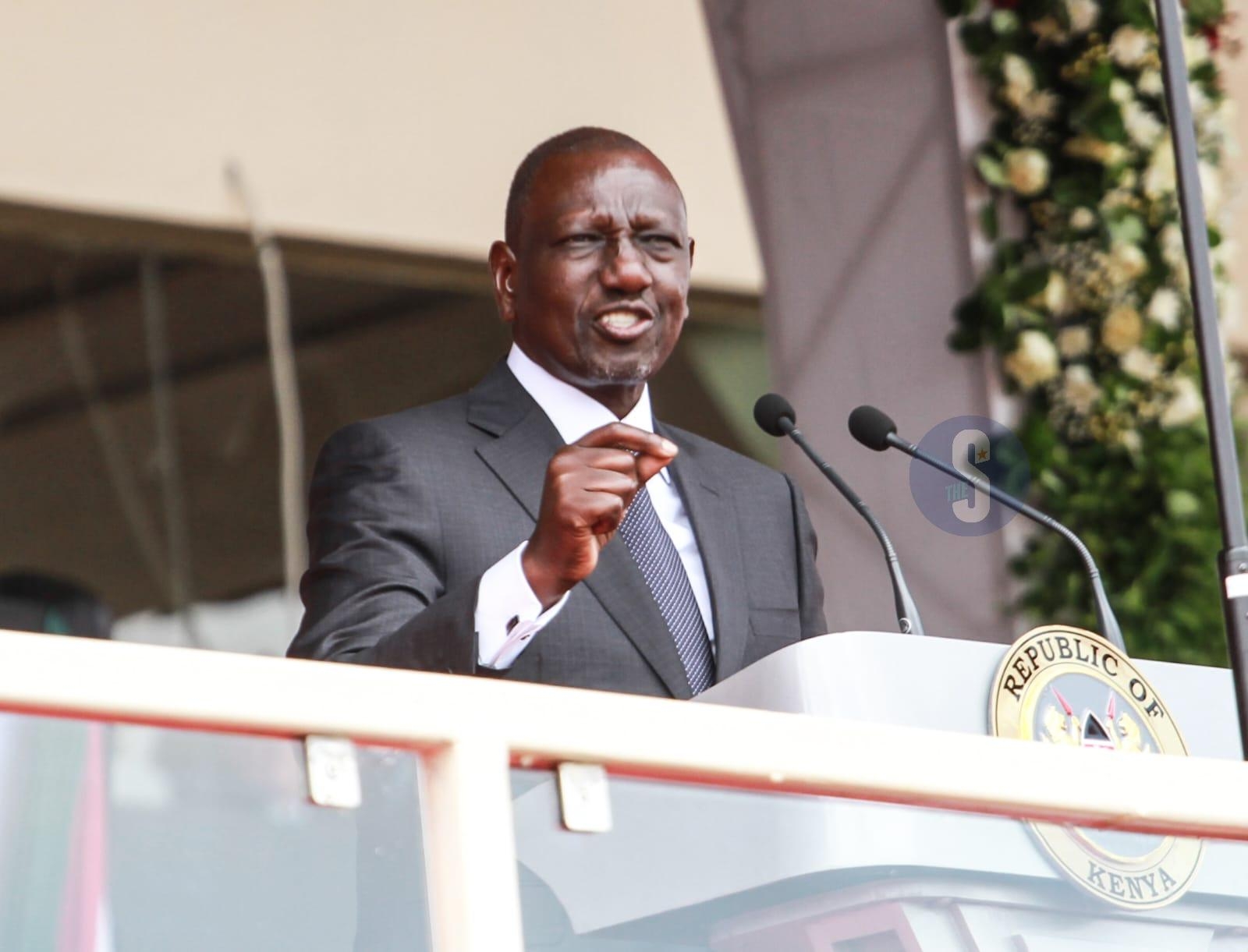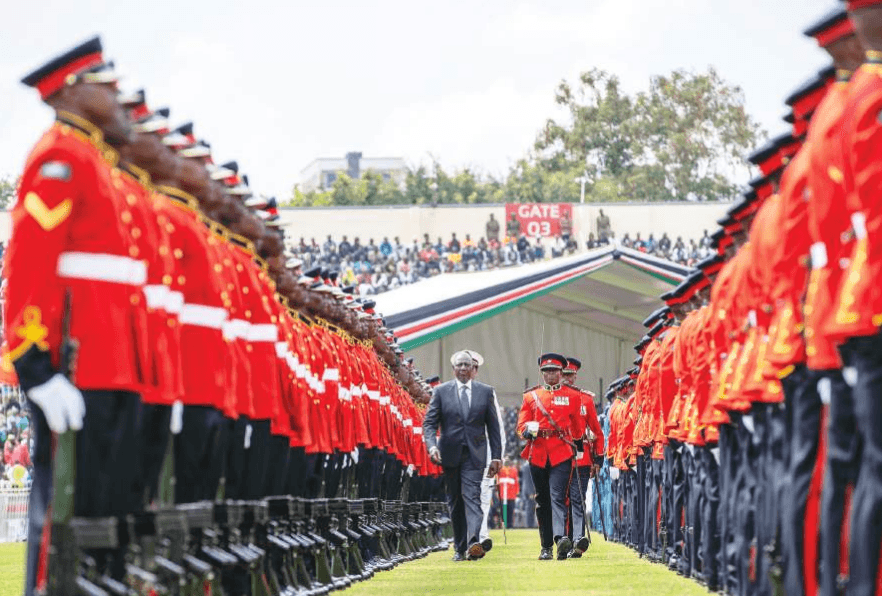


The National Treasury is proposing the introduction of more taxes as President William Ruto's administration seeks additional revenue to fund his ambitious programmes.
In the Kenya Kwanza government's Draft Medium-term Debt Strategy for the period 2024-25 and 2026-27, the National Treasury proposes a raft of major tax changes.
Although taxation is the only practical means of raising the revenue to finance government spending on goods and services, over-taxation can be counterproductive.
Too much tax reduces consumer demand, discourages entrepreneurship and innovation and leads to inflation, increasing tax evasion and avoidance. Over-taxation also reduces foreign investments and can lead to political instability if the people’s cost of living becomes unsustainable.
President Ruto should review these new proposals so that they are not counterproductive to what he is seeking to achieve.
The ideal tax system should raise essential revenue without excessive government borrowing and should do so without discouraging economic activity.
In developing countries like Kenya, tax policy is often the art of the possible rather than the pursuit of the optimal.
Quote of the day: “Good advice is always certain to be ignored, but that's no reason not to give it.”
Agatha Christie
The English writer was born September 15, 1890