According to obstetrician gynaecologist and the president emeritus of Kenya Obstetrical and Gynaecological Society Benjamin Odongo, the causative organism has now been proven to be HPV for most of the cervical cancer.
He said measures have therefore been put in place to prevent infections with HPV, a step which will help the country address the problem of cervical cancer.
This is in line with the World Health Organization 90.70 .90 strategy which advises that a country should have at least 90 per cent of girls and adolescents being vaccinated against the virus by age of 15 years and 70 per cent screened with a high performance test by 35 and 45years of age.
“Pap smear has had its place and now we are moving towards HPV DNA screening as the first line screening and it is already in our guideline that we have developed,” Odongo said.
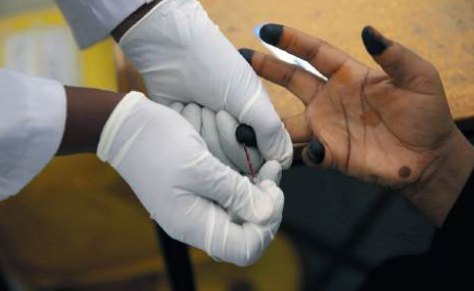
“The Molecular detection of HPV DNA or RNA is currently the gold standard for identification of the virus and the specimen can be obtained at the health facility by a health care worker,” he said.
The medic said the HPV DNA model of screening is not only new in Kenya but is a WHO recommendation which has been adopted in many countries.
The Gynaecologist Oncologist said that model is already being implemented in the local hospitals and that in Kenya, the guidelines also considers resource constraints that are faced, thus the use of acetic acid as a screening method which has not been abandoned.
Compared to other screening methods found in hospitals, Odongo said the adoption of HPV DNA screening in countries with many preventive screening programmes, will lead to a decrease in cervical cancer mortality of 50 to 75 per cent mentioned over the past 50 years.
He said the preventive examination of vagina and cervix smear, Pap test, and the HPV DNA test are remarkable diagnostic tools.
“The screening with acetic acid has lower sensitivity for detection of premalignant conditions of the cervix the resulting over treatment notwithstanding, while HPV DNA is resource intensive due to initial investment and recurrent expenditure.”
“With prioritisation and strengthening the referral hospitals can act as centres of screening, the specimen can be transported to these centres and results mailed back to the respective institutions,” he said.
The third 90 per cent strategy requires women found either with premalignant conditions that are pre-cancerous or with cancer offered with some form of treatment.
“If it is premalignant you can excise or freeze and if malignant you can offer good surgery and if not you can do radiation or even including offering palliative care. Cervical cancer is one of the highest incidents of reproductive health cancers in Kenya,” he said.
He said cervix cancer is a killer disease among young women at the reproductive age with at least 3,000 deaths reported annually and approximately 6,000 new cases of diagnosis are reported in the country each year.
Odongo who also takes care of women with reproductive tract cancer said in Kenya, there is an increase in the number of reproductive cancers. Cervical cancer takes the lead in the areas of reproductive tract cancers which includes the cancer of uterus, cervix, ovary and vulva which is around two per cent of the cancers.
He said there are high cases of cervical cancer because women seek treatment when it is late.
“Most of these women are coming late because cervical cancer is really a slow progressive disease which progresses from precancerous condition to cancerous and it can take up to 15 years for that process to occur.”
He said there have been a number of ovarian cancers affecting women in all spectrums because they are heterogeneous. This he said means there are many forms that arise from the ovary affecting children and young girls but those are different because they are treatable and highly responsive to treatment.
Older women are affected with epithelial cancers which are known as the silent cancers.
“This is because by the time one gets to know that they have the disease, the symptoms tend to have developed and disease has already spread, making treatment challenging where the surgeries are more complex, take long and these are always followed by adjuvant treatment or the chemotherapy,” he said.
There are also uterine cancers that are affecting women of reproductive age and also in the postmenopausal period.
The Gynecologist Oncologist said in the postmenopausal period, women who notice any bleeding after menopause should be checked.
He said checking women who bleed during the postmenopausal period is not hard because they only use a pipe called a pipel to obtain the cells from the uterus and check whether there is a problem with the uterus.
“For the vulva you may tell, you see it but people do not really check, any woman who has had chronic itchiness, we call it itch scratch cycle, should have the vulva checked because it could be indicating something that is progressing and if addressed early then it can be reversed,” he said.
Odongo said the majority of women in the society do not have the information. He said this is why as a society they are now putting information out by producing a lot of information materials including videos, that they have shared and also appearing in media just to pass this information.
“Of course it may take long to reach to the grassroots. But we know that overtime with the innovation and increased technology, and availability of information in various social media platforms like twitter, Facebook and other modes, the information will reach our women.”
“I say this because a couple of years ago our screening was around three per cent but the latest statistics that we checked was around 16 per cent so it is not a magic bullet. It will take some time for the information to get through,” he said.
-Edited by SKanyara