Kwale experienced calmness in elections for the first time last year
by The Star
Audio By Vocalize
IRCK programme officer Antony Blaize engage youth leaders and various religious clergies on peace talks at the Kenya Assembly of God Church in Ukunda on December 30
Some years back, Brilliant Amani and Lorraine Katoni from Ukunda, Kwale county, had a different perspective on the Islamic religion.
Their neighbours Hafsa Mohammed and Ratili Mohammed also thought negatively about Christianity.
They lived like enemies, with full of resentment for having different religious beliefs, and so did many other residents.
None of them had respect for each other simply because one goes to church and another to the mosque to worship their God.
Some parents restricted their children to play together because of their different religious beliefs.
It was hard for a Muslim to be spotted in a church or a Christian in a mosque.
But that stereotype has now come to pass, thanks to the inter-religious Council of Kenya, which has helped break the barriers and strengthened national cohesion, peace and security.
IRCK is a national coalition of major faith communities in Kenya consisting of Muslims, Christians and Hindus.
Its mandate is to mobilise unique resources and moral values of faith communities for a common action towards a shared concern structured dialogue and fellowship.
Amani, Katoni, Hafsa and Ratili and many other residents can now freely interact, dine and work as one people.
"It's amazing we have embraced religious tolerance and living like brothers and sisters," they said.
Apart from spending time together, the youth have learnt a lot from one another and shared a vast of experiences.
They now understand why different religions and people do certain things and developed a respect for them.
For example, Amani used to wonder why would Muslims do the adhans (call to prayer), why most Muslim ladies put on Buibui (black long dress) and why Muslims pray facing a specific direction (Qibla).
Same to Hafsa who used to question why Christians do music in church, why they do crusades and put a cross at the entrance of the churches among other things.
But after interacting, they all had their questions answered and tolerated one another.
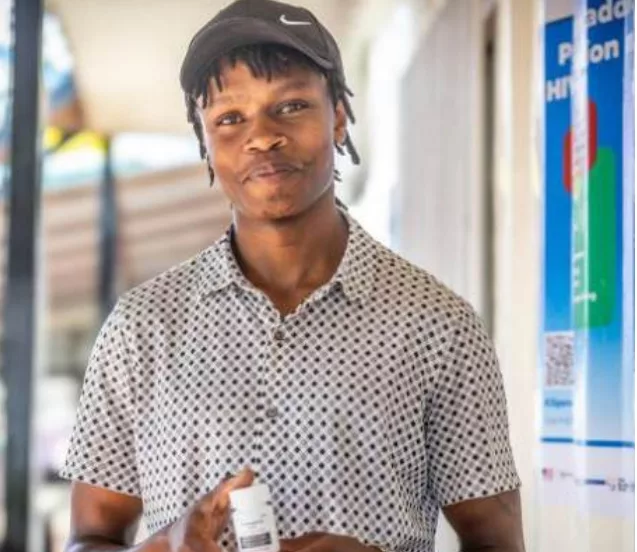
IRCK peace project beneficiary Brilliant Amani at the Kenya Assembly of God church in Kwale county on December 30
INTERFAITH DIALOGUE
In 2021, the IRCK, supported by UNDP, launched a peace project in Kwale. This was in partnership with Joint Initiative for Strategic Religious Action (Jisra), Uwiano, Government of Kenya, Coast Interfaith Council of Clerics and Human Development Agenda.
More than 60 youths have directly benefited while more than 2,000 indirectly benefited.
The project is aimed at addressing the immediate and underlying causes of conflict and division that are perceived as exclusion and marginalisation, youth vulnerability, negative ethnicity, divisive political processes, poverty and inequalities.
Others include small arms proliferation, limited engagement of women in peace processes, violent extremism, disputes over natural resources and adverse effects of climate change.
Through the project, IRCK facilitated 27 youths for an exchange programme to promote tolerance and enhance understanding of the other person’s faith traditions and cultural practices.
IRCK programme officer Antony Blaize said the youths visited mosques and churches to be enlightened on Islam and Christianity traditions through a project called "Welcome the others".
The youth got an opportunity to interact with various pastors and sheikhs and shared knowledge.
Blaize said the mentorship programme enhanced mutual understanding and promoted peaceful coexistence among the youth and Kwale communities.
"The interfaith dialogue has sealed the religious cracks and enmity and brought about unification and tranquility," he said.
Blaize said IRCK supported peace champions, and dialogue platforms targeting religious groups, therapists, children, youth, professionals, academia and security teams to enhance better response and capacity to the Covid-19 crisis, peace and security.
During the August 9 General Election, Kwale experienced calmness for the first time.
Hafsa says IRCK trained them as election monitors to observe elections in the county as well as become peace ambassadors.
"We had campaigns known as 'Uchaguzi Bila Balaa', of which we ensured youth are fully engaged and taken through peace walks and peaceful election process," She said.
More than 30 youths from all faith communities in Kwale through the Kwale Interfaith Youth Network took part in a fixed group discussion to highlight red zones before the elections and how strategically youths engaged the security actors to identify the push and pull factors of electoral violence.
Youth play handball in Diani beach, Kwale county, on December 2022
DECLINE OF INSECURITY
National Muslim Leaders Forum Kwale chairperson Sheikh Amani Hamisi said the programme has helped lessen insecurity in Kwale.
He said through the engagement of stakeholders and dialogues, many youths formerly involved in various crimes were enlightened and transformed into disciplined members of society.
"Despite a few incidents of juvenile gangs, the cases have largely dropped compared to before," he said.
Hamisi said they rolled out guidance and counselling sessions to help in trauma healing and instil discipline among the youth to promote non-violent means of conflict resolution.
He said about three-quarters of the county youth have benefited.
Hamisi said they took advantage of the churches and mosques to preach peace and teach religious leadership roles to the youth.
The sheikh said the project also used sports, arts, empowerment and environment conservation activities to tap the youth hence promoting peace and security.
Ratili, who is one of the youth leaders in Kwale, said the IRCK programme has successfully addressed insecurity in Ng'ombeni in Matuga subcounty.
Ng'ombeni is among the areas in Kwale perceived as hotspots for insecurity.
He said over 500 youth were able to participate in different IRCK peaceful football tournaments that strengthened cohesion and peace.
"Through soccer, many youths come together, putting aside their religious and tribal differences to play as one people and are later educated on the importance of keeping peace and tolerance," he said.
National Council of Churches of Kenya representative Kadange Kenneth said the IRCK peace programme empowered religious leaders to become peace crusaders and engage youth in peace talks.
He said the programme has played a great role in creating an understanding, trust and building confidence between youth, religious clergies, security and the communities.
Ratili said the programme has in turn prevented cases of radicalisation and religious conflicts.
Hafsa said other inter-community sporting activities were held in Diani, where both Muslim and Christian youth participated in the games, dissolving religious differences and cementing coexistence.
It gave an opportunity for Muslim girls to freely interact with others since they are considered very much reserved.
“Before it was hard for me as a Muslim lady to participate in sports, especially where there is a mixture of gender, but I realised there is no harm in it,” she said.
Pastors, sheikhs and youth leaders engage in a cleaning-up exercise in Ukunda, Kwale county, in December
Through soccer, many youths come together, putting aside their religious and tribal differences to play as one people and are later educated on the importance of keeping peace and tolerance
ENVIRONMENTAL CONSERVATION
Kwale Women of Faith Network chairperson Emaculate Mungai said youth across the county are engaged in town and beach clean-up and tree-growing exercises to help emphasise collective responsibility in conserving the environment.
She said as a way of embracing unity, Muslims went to do the cleaning in churches and Christians to the mosques.
The youth in the company of various interfaith leaders collected plastics and other waste materials for recycling.
Mungai said during the exchange visit at the places of worship, the youth shared ideas about water conservation.
Muslims normally use a lot of water for wudhu (cleaning before prayers).
According to Mungai, the Muslim community welcomed the mechanism of applying sustainable measures of using water in places of worship.
Mungai through from the IRCK project activities, they can speak to the youth and contain them within the religious teachings.
“Right now, many youth go to churches and mosques, unlike before where you would only find a few of them attend prayers,” she said.
Other activities are the creation of linkages to job opportunities to youths with available UN connector projects, county government and national government affirmative opportunities.
For example, Katoni got employment through the IRCK mentorship programme.
"Through this project, I was able to secure employment at Huda. The mentorship built up my confidence and public speaking skills, and that's why I was spotted," she said.
She is a member of the Kwale Youth Interfaith Network, which is under the umbrella of IRCK.
The 23-year-old holds a degree in Strategic Development and Diploma in project planning and development from Marist University in Nairobi.
Amani, who is currently pursuing journalism studies at the East African Institute of Certified Studies in Mombasa, said he gets his fees from IRCK activities.
Through the IRCK stipends, he is able to save for his studies and put food on the table and buy equipment for his daily hustles.
Amani said at first, he had a passion for hospitality courses but after enrolling in the IRCK project, he realised he had a talent for journalism.
He comes from a very humble family and he is glad to be among the many beneficiaries of IRCK peace project.
Amani said the project is helping him nurture his skills and assist with socio-psychological support.
He said without it, life would have been very difficult for him.
“I believe God is the provider of everything, but this project has changed my life,” he said.
Different Kwale religious leaders meet in a mosque for an exchange visit session in Diani, Msambweni subcounty, in December
This is premium content
Subscribe to Continue Reading
Help us continue bringing you unbiased news, in-depth investigations, and diverse perspectives. Your subscription keeps our mission alive and empowers us to provide high-quality, trustworthy journalism. Join us today to make a difference!