The President has indicated he wants to capitalise on the fund to navigate the country’s public debt crisis.
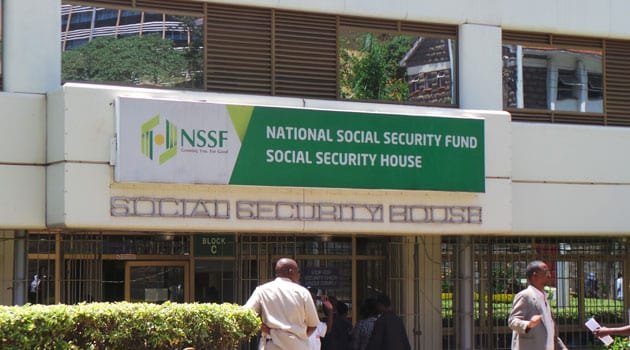
A report by NSSF shows Kenyans paid Sh300 million less into the fund last year.
The decline might be attributed to the inability of many Kenyans to remit their contributions following job losses experienced at the height of the Covid-19 pandemic.
It could partly be triggered by retirements that took employees off contributions.
The report shows contributions decreased from Sh14.7 billion in 2020 to Sh14.4 billion, representing a two per cent drop.
During the said year, NSSF paid more benefits to the tune of Sh5.89 billion, down from Sh4.4 billion it paid in the year to June 2020.
This was even as the fund’s income sources declined by over Sh600 million from Sh24.8 billion in 2020 to Sh24.2 billion.
NSSF’s total (accrued) income also fell by over Sh1.2 billion during the period under review, findings which reveal the difficulties Ruto could face in tapping earnings from the fund.
The fund’s management, in the notice, has acknowledged the tough economic times that it projects could slow down its earnings in the current year.
“We will endeavour to leverage on our strength to surmount the turbulent business environment to continue championing the socio-economic welfare of our people to deliver sustainable performance and contribute to the nation’s economic development,” the fiscal statement by NSSF CEO Anthony Omerikwa and chairman Julius Karangi reads.
An audit of the fund for the year ending June 30, 2020, flagged weak internal controls on accounting for contributions and restated that the risk of misstatement of the balances may have been high.
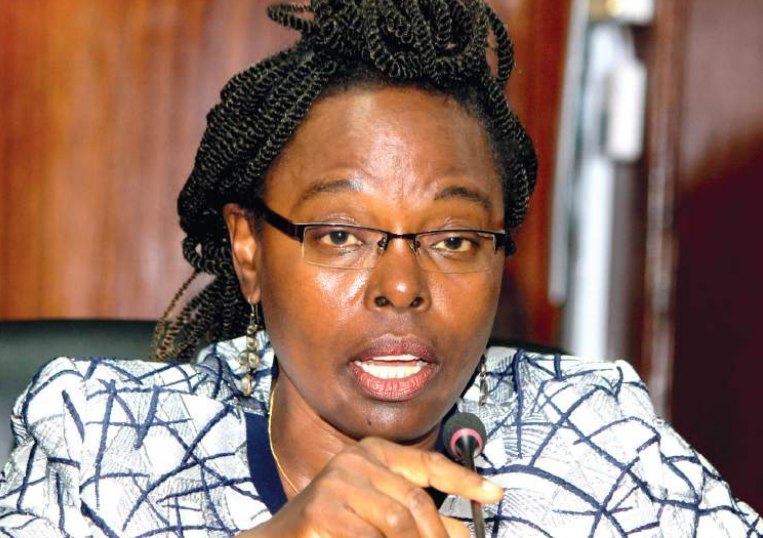
Auditor General Nancy Gathungu flagged this after the management failed to provide a plausible explanation for delays in posting contributions to the credit of the respective members’ accounts.
Even so, the fund's assets grew from Sh249.6 billion to Sh284.4 billion in the same period with the return on investment jumping four-fold from Sh9.7 billion to Sh32.7 billion.
President Ruto has made clear his plans to review NSSF contributions upward, a message he has restated in more than two meetings.
The new administration seeks to increase the contributions from the current standard fee of Sh200 to match up to one’s monthly earnings. The amount has remained unchanged for over 20 years.
On Sunday, Ruto said the government intends to ensure that one pays according to how much one earns, for the country to have a better savings plan–from which the government could borrow.
“We cannot continue to borrow from the savings of others. We need to build our country with our savings. Let us borrow from our savings so that we can give interest to our lenders,” Ruto said.
The President said it was the only way the country could stop being chained to the ravaging public debt, currently at Sh8.6 trillion.
The conversations are happening against the backdrop of a court case ruling which rejected NSSF’s bid to increase the monthly contributions for top earners to Sh2,068 per month.
Low earners were to pay Sh360, a proposal that was geared at expanding NSSF earnings and paying retirees monthly stipends other than one-off lump sum payments.
The court stopped the government from making registration into NSSF mandatory and the listing of employees on any retirement scheme by compulsion.
Justices Hellen Wasilwa, Mathews Nduma, and Monica Mbaru declared the NSSF Act, 2013 in breach of the Constitution as there was no public participation ahead of its enactment.
Ruto said his team intends to follow the law to the latter to actualize the plan, a task that is likely to take about six months to accomplish.
Parliament would be required to make changes to the NSSF Act to introduce the increased contributions, the last effort having failed because Senate was not involved.
Petitioners, who were before the court, had said NSSF would be a monopoly if the hefty deductions were allowed.
“Employers would close down current schemes which oblige them to contribute more than six per cent of employee’s earnings,” the court papers read.
Edited by Kiilu Damaris