Healthy life expectancy (HLE) is the expected number of remaining years of life spent in good health from a particular age.
The report shows most Kenyans, alongside other East Africans, can expect to live with no debilitating illness or disability for as long as 58 years, the highest in the region.
Only people in Arab nations in North Africa live longer healthy lives, as long as 64 years.
The 'Tracking Universal Health Coverage in the WHO African Region 2022' report indicates the East African Community and Intergovernmental Authority on Development (Igad) subregions made the most marked improvements in healthy life expectancy between 2000 and 2019.
The improvement was credited to universal health coverage.
“When we compare healthy life expectancy and UHC service coverage, we note a positive correlation between the two measures,” the report read.
In the SADC region, HLE is about 55 years and 56 years in West Africa.
In general, HLE in Africa increased by about 10 years per person between 2000 and 2019, the assessment report indicates.
This rise is greater than in any other continent during the same period.
In 2000, the number of years an African was in a good state of health was only 46, compared to the average of 56 years in 2019.
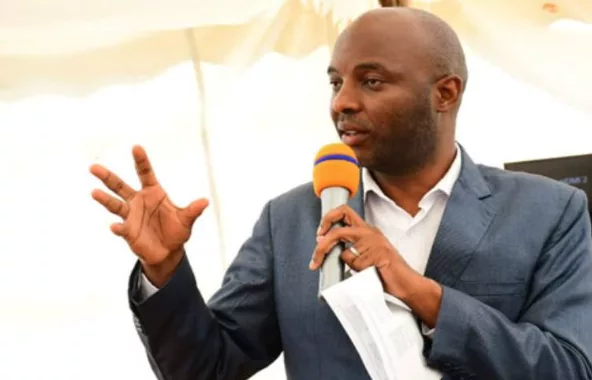
“The rapid scale-up of health services to tackle infectious diseases such as HIV, tuberculosis as well as malaria over the past 15 years has been a strong catalyst for improved healthy life expectancy,”Dr Lindiwe Makubalo said.
He is assistant director of the WHO regional office for Africa.
The global healthy life expectancy is 64, WHO said.
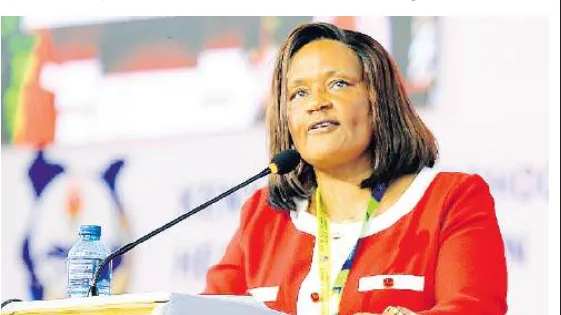
“The sharp rise in healthy life expectancy during the past two decades is a testament to the region’s drive for improved health and well-being of the population, Dr Matshidiso Moeti said. He is WHO's regional director for Africa.
"At its core, it means that more people are living healthier, longer lives, with fewer threats of infectious diseases and with better access to care and disease prevention services."
The progress must not stall, he said.
"Unless countries enhance measures against the threat of cancer and other noncommunicable diseases, the health gains could be jeopardised.”
WHO said the most significant achievements in Africa were in preventing and treating infectious diseases.
However, this is being offset by the dramatic rise in hypertension, diabetes and other noncommunicable diseases and the lack of health services targeting these ailments.
“As a result, millions of African households suffer catastrophic health expenditure as they have to pay for their health bills out-of-pocket. Over the past 20 years, out-of-pocket expenditure has increased in about 15 countries,” Makubalo said.
The report shows progress in healthy life expectancy could also be undermined by the impact of the Covid-19 pandemic unless robust catch-up plans are instituted.
On average, African countries reported greater disruptions across essential services compared with other regions.
More than 90 per cent of the 36 countries responding to a 2021 WHO survey reported one or more disruptions to essential health services. the greatest disruptions were in immunisation, neglected tropical diseases and nutrition services.
(Edited by V. Graham)
“WATCH: The latest videos from the Star”