

The government signed bilateral labour agreements with Gulf states to employ over 30,000 skilled workers in May.
Most applicants for domestic work in Saudi Arabia, Qatar, Iraq and the United Arabs Emirates, among others, are women aged between 23-30.
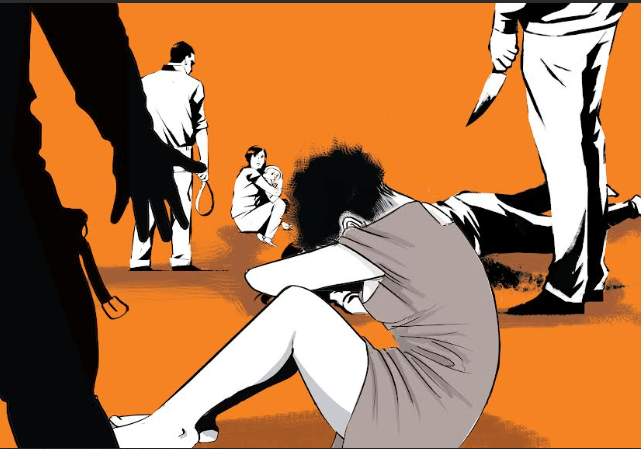
In Saudi Arabia, however, domestic service workers (cleaning persons, house drivers, sand gardeners) or agricultural workers are not covered by the labour laws provisions.
These are laws to protect workers against abuse by employers and ensure employers don’t terminate contracts arbitrarily.
Joyce Ndesa, 30, has worked in Saudi Arabia for seven years since she was 23. She takes us through procedures followed before she was successfully employed.
JOB APPLICATION
Before she secured an opportunity to work in Saudi Arabia, an interview was conducted by a Kenyan agency, which she successfully passed.
After passing the interview, the Kenyan agent sent her full medical report to an agent in Saudi Arabia.
The employment agent was impressed and sent an offer letter to the Kenyan counterparts, who in turn shared it with Ndesa..
She says she read and understood the terms before signing the contract.
Ndesa was advised to seek help and clarifications from the agent or even Ministry of Labour, should she need any clarification before accepting.
She was then taken trough attestation, (in person) by Ministry of Labour in Kenya. Attestation is a declaration that the job contract truly exists.
Before she left Kenya, Ndesa was required to present the signed contract, security bond, and medical report.
The Saudi agent then sent the air ticket to the Kenyan counterpart, from where Joyce got it. She attended pre-departure training.
The employer had to bear her airfare from Kenya to Saudi Arabia for joining work and for her return after completion of the two year-contract.
CULTURE ADHERENCE
The only religion to be adhered to is Islam, while the official language is Arabic.
Ndesa says she adapted to the Muslim culture and had to learn Arabic because it is the main language of communication.
“It is not an easy language but if you don’t learn it, then it will be difficult to communicate. I was not really exposed to any kind of life so adapting to Muslim culture was very easy,” she said.
Women must wear an ‘abaya’ a full-length, loose black robe that is worn over normal clothes outside the house and also have their head covered.
All legal proceedings are carried out in Arabic and the legal system is complex so getting justice might take time.
EMPLOYER-EMPLOYEE RELATIONS
Ndesa’s strong relationship with her boss is a result of understanding each other. She says the basis of a successful employer- employee relationship is respect.
“Anaweza amka asubuhi apate umeclean na uambiwe urudie, so kuna wenye watasema 'aah si niliosha mbona nirudie?' (the boss can wake up and find that you had cleaned up but still tell you to clean again. Others will ask, why should I repeat," she said.
According to Saudi work regulations, if you run away from your employer or refuse to work, you could be declared as huroob (absent from work without the intention of the employer)
As a result, your stay in the country will become illegal and you stand to lose all your legal rights. You will also face difficulties in leaving the country.