A new home-made GPS facility to track pregnant women in Marsabit is among innovations that have won a total of $800,000 (Sh82.6 million) across Africa.
The waterproof, coin-sized, solar-powered GPS-tracking device will be fitted into cultural jewellery of expectant mothers in pastoralist communities so health workers can easily locate them and provide pre and antenatal care.
It was created by Dahabo Adi Galgallo, an innovator from Marsbabit.
“Women are the cornerstone of society, ensuring their families’ nutritional and economic needs are met. We shouldn’t be losing any of them during child birth, which is why such a scheme aimed at improving maternal health is key,” Galgallo said yesterday.
Galgallo and seven other innovators from across Africa will each receive Sh10 million seed fund to make their innovations a reality.
The announcement was made by the Nairobi-based African Academy of Sciences and the NEPAD agency’s Alliance for Accelerating Excellence in Science in Africa (AESA) .
The two-year funding is supported by Bill & Melinda Gates Foundation and Institut Pasteur of Paris.
“Too many African women are still dying during child birth unnecessarily,” AESA director
Tom Kariuki said. “We are harnessing Africa’s best talent to transform maternal health and save lives of mothers and their children.”
AESA said the ultimate goal is to improve maternal, neonatal and child health outcomes in Africa.
In Kenya, about 3,000 women die every year due to pregnancy and childbirth-related complications.
Five of the innovators are from Kenya, while the three others are from Madagascar and Senegal.
The other Kenyans are Jesse Gitaka, a lecturer at Mt Kenya University, who is developing a point of care diagnostic for bacterial infections that have been implicated in poor pregnancy outcomes such as premature deliveries, still births, maternal and newborn sepsis and deaths.
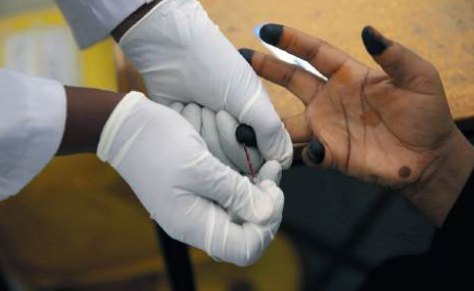
Angela Koech Etyang, a scientist from the Aga Khan University in Nairobi, has developed a project to make basic screening tests available to pregnant women at dispensaries and health centres that do not have laboratory facilities for conditions such as HIV, syphilis and anaemia, which are treatable once detected.
Eric Ogola, an epidemiologist at Jaramogi Oginga Odinga University of Science & Technology, is developing an easier way to decide which antibiotic to use in blood-borne infections in children less than one month old.
The last Kenyan, Christine Musyimi, is from the Africa Mental Health Foundation.
Her project will engage traditional birth attendants to provide mental healthcare to mothers during the perinatal period.