

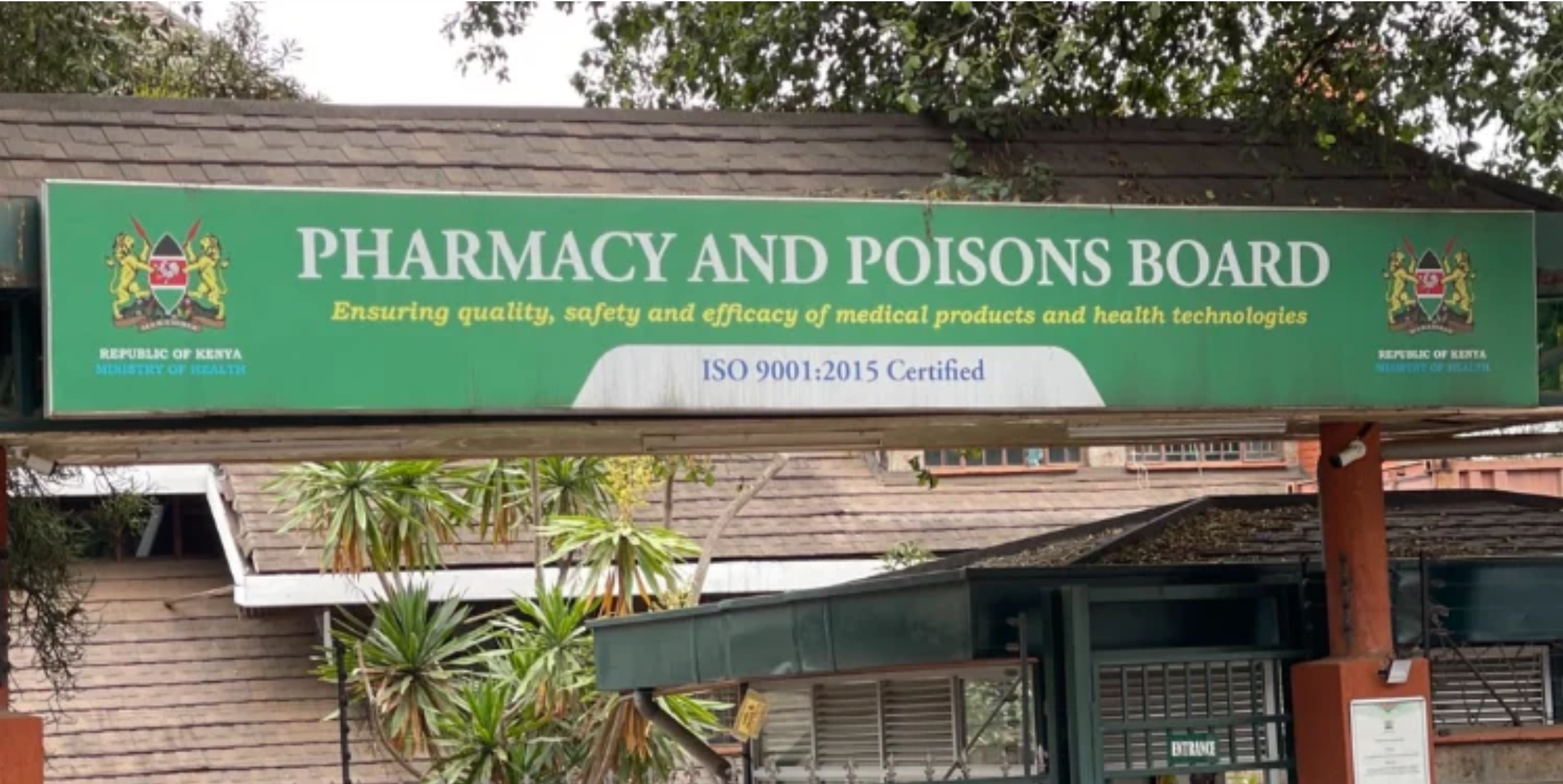
 The Pharmacy and Poisons Board head office in Nairobi.
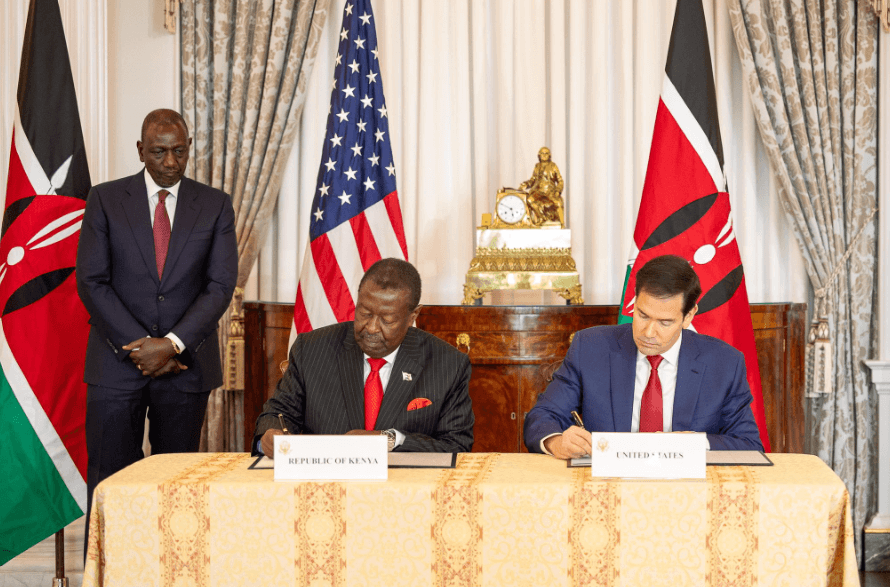
The newly signed five-year Kenya-US Health Cooperation Framework Agreement indicates that Kenya should allow this to happen by December 2026.
Previously, Kenya’s medicines regulator, the Pharmacy and Poisons Board (PPB), carried out its own review even if a product had FDA approval.
But under the new deal, FDA authorisation alone will be enough for clearance in Kenya.
The agreement says that this is “subject to verification of product sameness and the applicable review processes of the PPB and other applicable regulatory bodies.”
It adds: “This commitment extends beyond emergency-use countermeasures to include routine therapeutics, new chemical entities, biologics, vaccines, diagnostics, and other health-related innovations.”
The US said it intends to support capacity-building for PPB staff to sustain advanced regulatory system functionality.
The agreement also says Kenya and the US will work together to support American companies seeking to establish operations in Kenya.
The reliance on the FDA means PPB will now be implementing regulatory decisions based on US determinations, especially for products coming from US companies.
The America First Global Health Strategy (AFGHS), the policy guiding the new bilateral agreement, says one of the goals is to expand US companies' footprint in countries being assisted.
“The most direct opportunity will be to increase access for US company-produced pharmaceuticals in emerging markets. Beyond direct assistance, US diplomacy has a key role in reducing barriers to entry, such as ensuring that countries recognise US Food and Drug Administration (FDA)-approved products and promoting regional regulatory harmonisation initiatives (e.g., African Medicines Agency),” the AFGHS says.
It adds: “The healthcare market in Africa is projected to grow rapidly to more than $250 billion by 2030. As these markets develop, there are several concrete opportunities where the US government can play a role in advancing commercial diplomacy.”
US officials in Nairobi said this alignment is intended to avoid delays in delivering emergency medicines, vaccines, and diagnostic tools.
Nairobi embassy Charge d’Affaires Susan Burns described the entire agreement as a shift toward efficiency.
She said: “We definitely are looking at more efficient ways to do direct assistance, government-to-government. That's gonna be done in the implementation phase over time so that we're making sure there's not any interruptions to care for patients.”
Kenya's pharmaceutical market was valued at $765.60 million in 2024 and is anticipated to project impressive growth of 6.05 per cent annually through 2030.
India remains the dominant supplier in the Kenyan pharmaceutical market, due to its position as the world's largest provider of generic drugs.
The acceptance of FDA authorisation in Kenya is largely seen as a step in the right direction.
According to the World Health Organisation (WHO) guidelines on good reliance practices, national regulatory authorities are encouraged to implement reliance to minimise duplication of effort, especially given their limited resources.
“Reliance facilitates timely access to safe, effective, quality-assured medical products and can support regulatory preparedness and response, particularly during public health emergencies,” the WHO says.
PPB works closely with the National Quality Control Laboratory, which tests pharmaceutical products before they are registered.
However, it lacks capacity and is thought to test fewer than 20 per cent of samples.
A PPB’s pharmaceutical product registration is good for five years unless the PPB suspends or revokes it beforehand or the applicant withdraws it.
Immediate former PPB CEO Fred Siyoi, in a paper he co-authored, said most regulatory authorities are now embracing the concept of reliance as a way of improving performance, due to the complexities that come with the granting of marketing authorisation for medical products.
A full review of WHO -WHO-prequalified generic products in Kenya took about 341 days in 2022, and the FDA deal will support such processes.
The PPB and FDA cooperation began in March last year when they signed a confidentiality agreement. They later, in June 2024, signed a Statement of Commitment to enhance local capacity in pharmaceutical regulation.