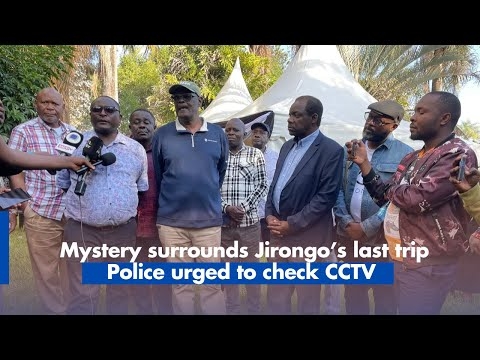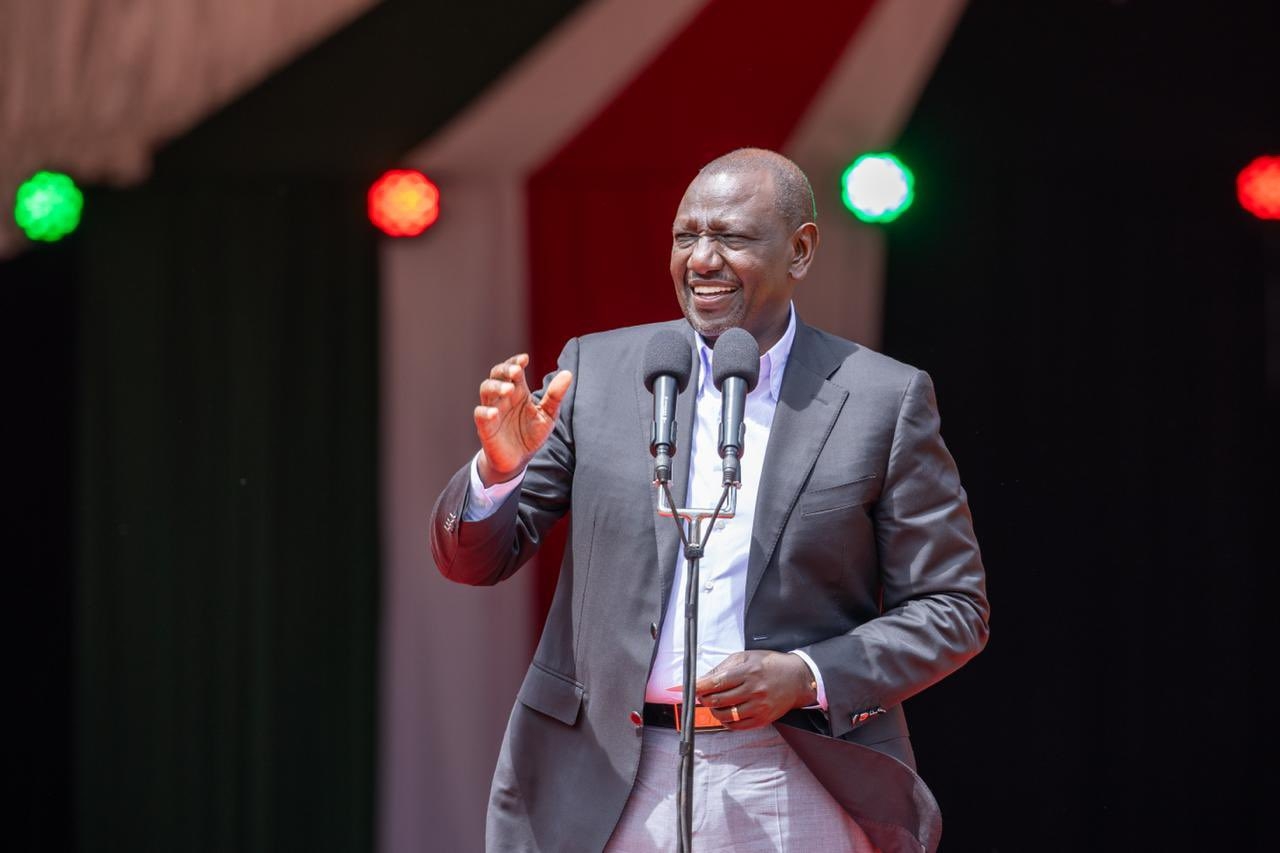


 ODM deputy party leader Godfrey Osotsi, secretary general Edwin Sifuna, Luhya Elders Forum vice chairman Dr Noah Wekesa and forum secretary Peter Ludava during a press briefing at Sheywe Guest House in Kakamega on Thursday /HILTON OTENYO
 Luhya elders convened a meeting with top Orange Democratic Movement officials in Kakamega to discuss matters they said affect the community’s
economic and political interests.
The
meeting at Sheywe Guest House brought together 76 elders representing
constituencies across the Luhya community. It was co-chaired by Patrick Wangamati,
Noah Wekesa, Fred Omido, and Peter Ludava. ODM secretary general Edwin Sifuna
and Vihiga Senator Godfrey Osotsi attended the session and pledged to consider
the concerns raised.
During
the deliberations, the elders highlighted three key areas of interest: the sugar
industry, mining activities in the gold belt, and the proposed nuclear power
project in Siaya county.
On the
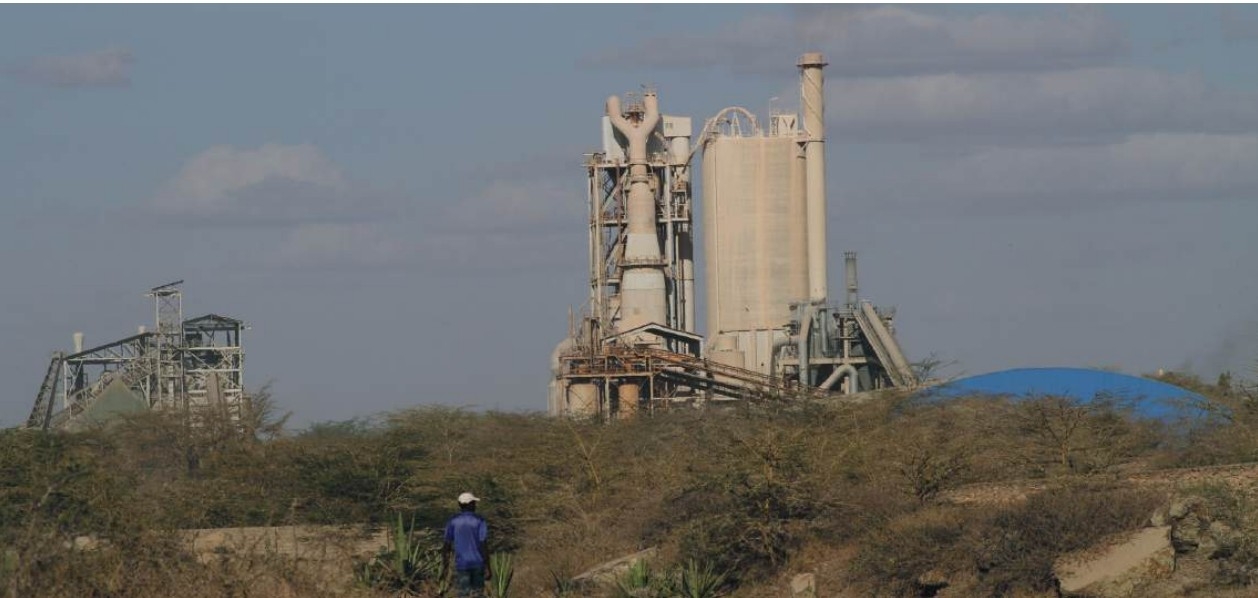
sugar sector, the elders expressed concern over the management of Mumias and
Nzoia sugar factories, citing the need for transparency in leasing and sale
processes. They also noted that sugar importation could be affecting the sector
and indicated a willingness to collaborate with leaders from the neighbouring
Nyanza region.
Regarding
the proposed nuclear project in Siaya, the elders emphasised the importance of
engaging local leadership and communities in discussions about potential
environmental and safety implications, including concerns over groundwater and
ecosystems.
The forum
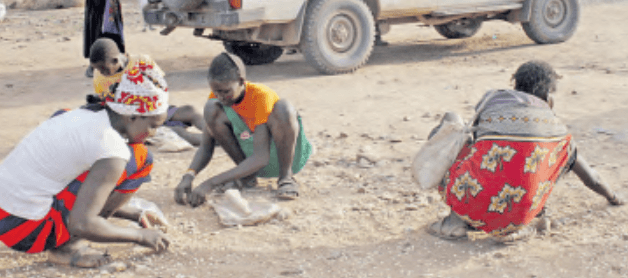
also addressed developments in Western Kenya’s gold belt, advocating for
inclusive consultations with communities before mineral extraction projects
proceed. They suggested that coordination across counties along the gold belt
could help ensure that local interests are considered.
The
elders further discussed political cohesion, noting the importance of
maintaining unity within the Luhya community. To this end, they proposed
forming a working group of elders, professionals, business leaders, and
political representatives to facilitate structured dialogue and collective
decision-making.
Sifuna
confirmed the meeting on his social media pages, stating that the elders had
raised issues including the management of sugar mills, gold mining in
Ikolomani, and the proposed nuclear plant. He added that ODM would amplify
these concerns in appropriate forums.
Senator
Osotsi echoed the commitment, emphasising that the party remains responsive to
community concerns and that consultations with the elders were an opportunity
to provide clarity and address local expectations.
The
resolutions from the Kakamega meeting underscore the elders’ intention to work
with other communities across Western Kenya to ensure fair representation in key
projects.
They
reaffirmed their commitment to advocating for the economic and social interests
of the Luhya nation while pursuing partnerships with other affected
communities.
The Luhya elders meeting highlights the growing role of community leadership in advocating for local economic and political interests. By focusing on sugar factories, gold mining, and the proposed nuclear project, the elders are seeking transparency, inclusion, and safeguards for affected communities. Their call for collaboration with neighboring counties and other ethnic groups reflects a strategic approach to regional advocacy. Politically, the engagement with ODM leaders demonstrates the value of structured dialogue in addressing community concerns and maintaining cohesion. This initiative underscores how traditional leadership can complement formal governance structures to influence policy, protect local resources, and strengthen regional alliances.