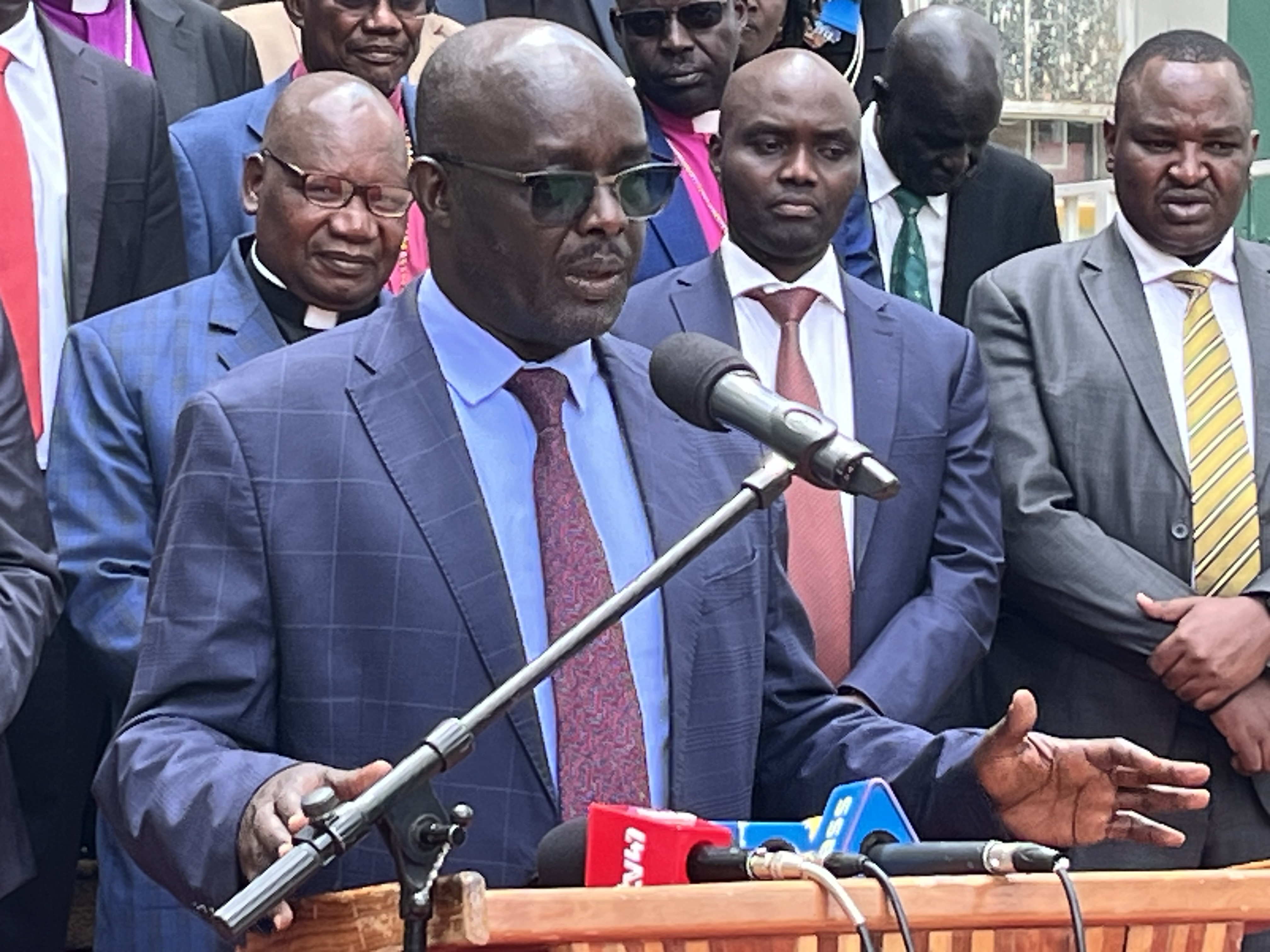
West Pokot Governor Simon Kachapin has lauded the National Equipment Service (NES) project, saying it will transform healthcare delivery in the county.
The project, recently launched by President William Ruto, aims to strengthen healthcare infrastructure and service delivery in all counties through the provision of modern medical equipment.
Speaking in Kapenguria on Tuesday, Kachapin said the
initiative supports his administration’s push to modernise health services and
ensure equitable access to quality care.
“Shortage of medical equipment has been undermining our
efforts to offer quality healthcare, but with this initiative our people will
enjoy better hospital services,” he said.
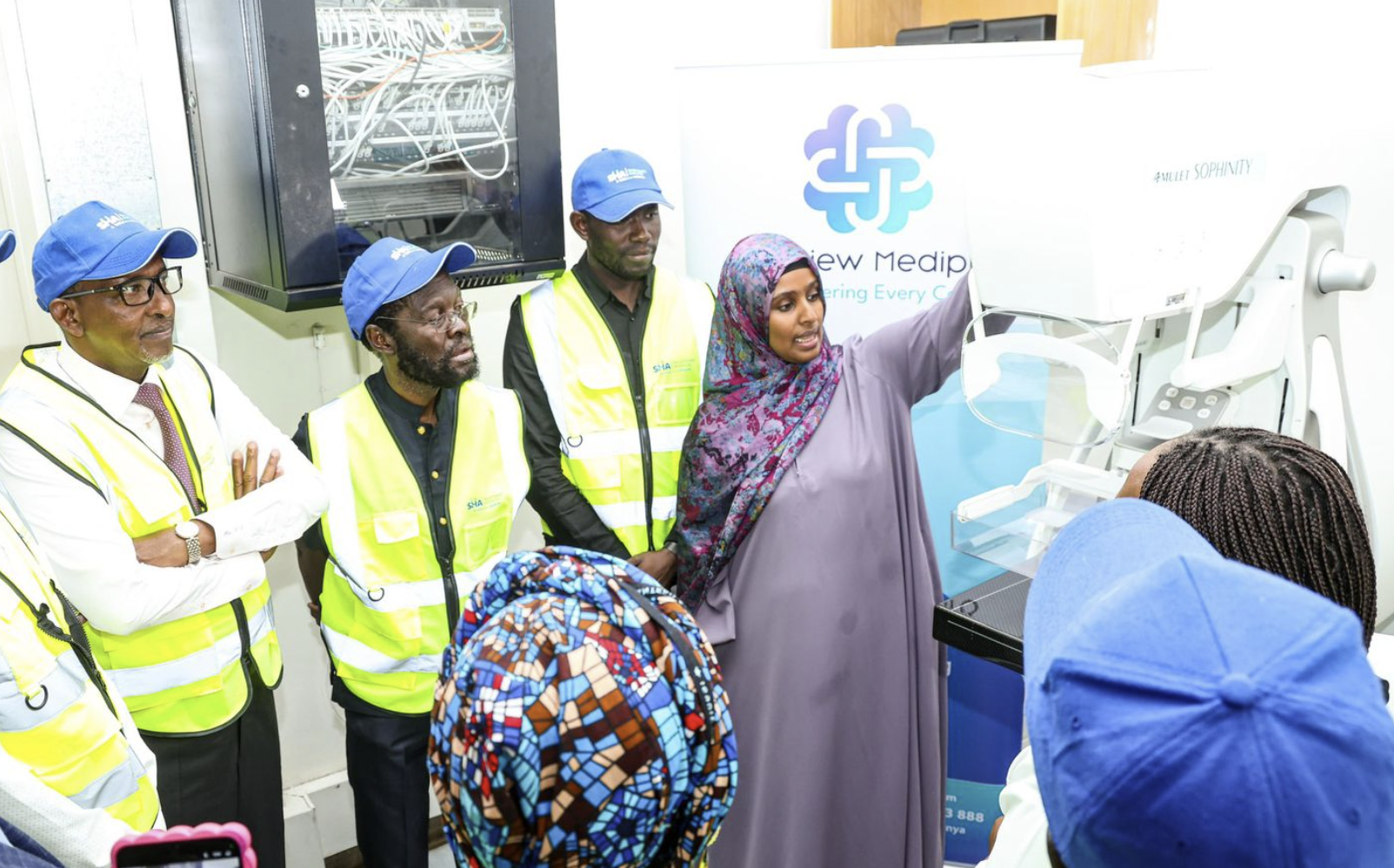
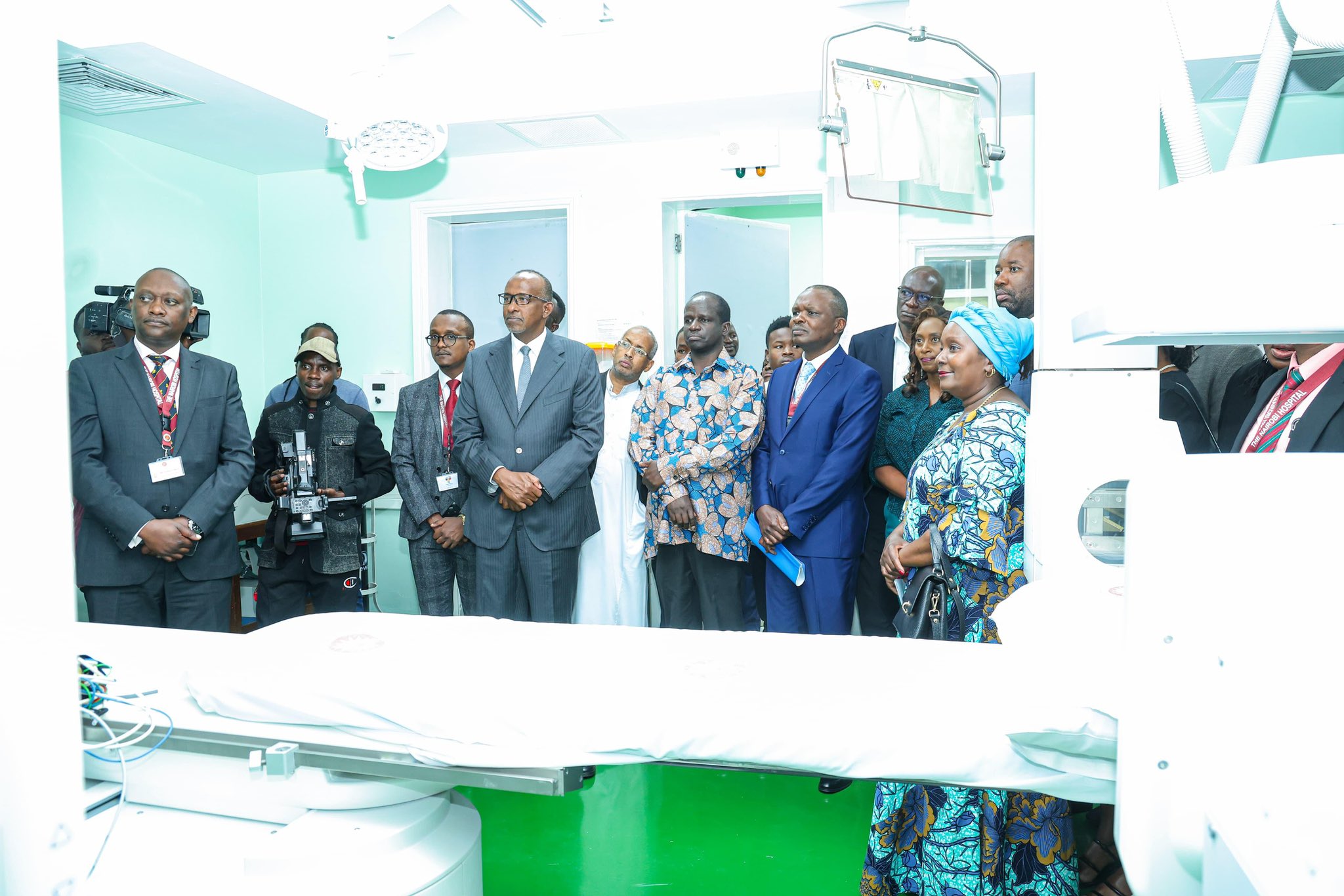
Under the programme, West Pokot has received advanced
medical equipment, including its first-ever CT scan machine since the advent of
devolution. The equipment, delivered to Kapenguria County Referral Hospital,
will improve early diagnosis, enable timely interventions and reduce patient
referrals to facilities outside the county.
“This is a game-changer for diagnosis and treatment. For
many years, residents have had to travel long distances for imaging services,”
Kachapin said during the handover ceremony.
The machine was delivered by a team led by Dr Wilson Aruasa,
presidential advisor and former Moi Teaching and Referral Hospital CEO, under
the Taifa Care initiative of the NES project.
Kachapin said the development is part of broader efforts to
expand access and improve service delivery, noting that the county has recently
upgraded subcounty hospitals, expanded infrastructure, introduced new services
and hired 360 healthcare workers, including specialists and nurses, to address
staffing gaps.
To curb frequent drug stockouts, Kachapin said West Pokot
has cleared all outstanding bills with the Kenya Medical Supplies Authority,
ensuring uninterrupted medical supplies.
He also rallied residents to register with the Social Health
Authority, saying the programme would shield households from high medical costs
and boost county revenue.
“So far, 123,000 people have registered, and we are targeting
250,000. Currently, 36 per cent of our county budget is allocated to
healthcare,” he said.
Dr Aruasa urged leaders to prioritise investments that directly improve citizens’ well-being. “There’s no greater investment than one in health,” he said.