Facility has established isolation units, designated a treatment centre
by FAITH MATETE
Audio By Vocalize
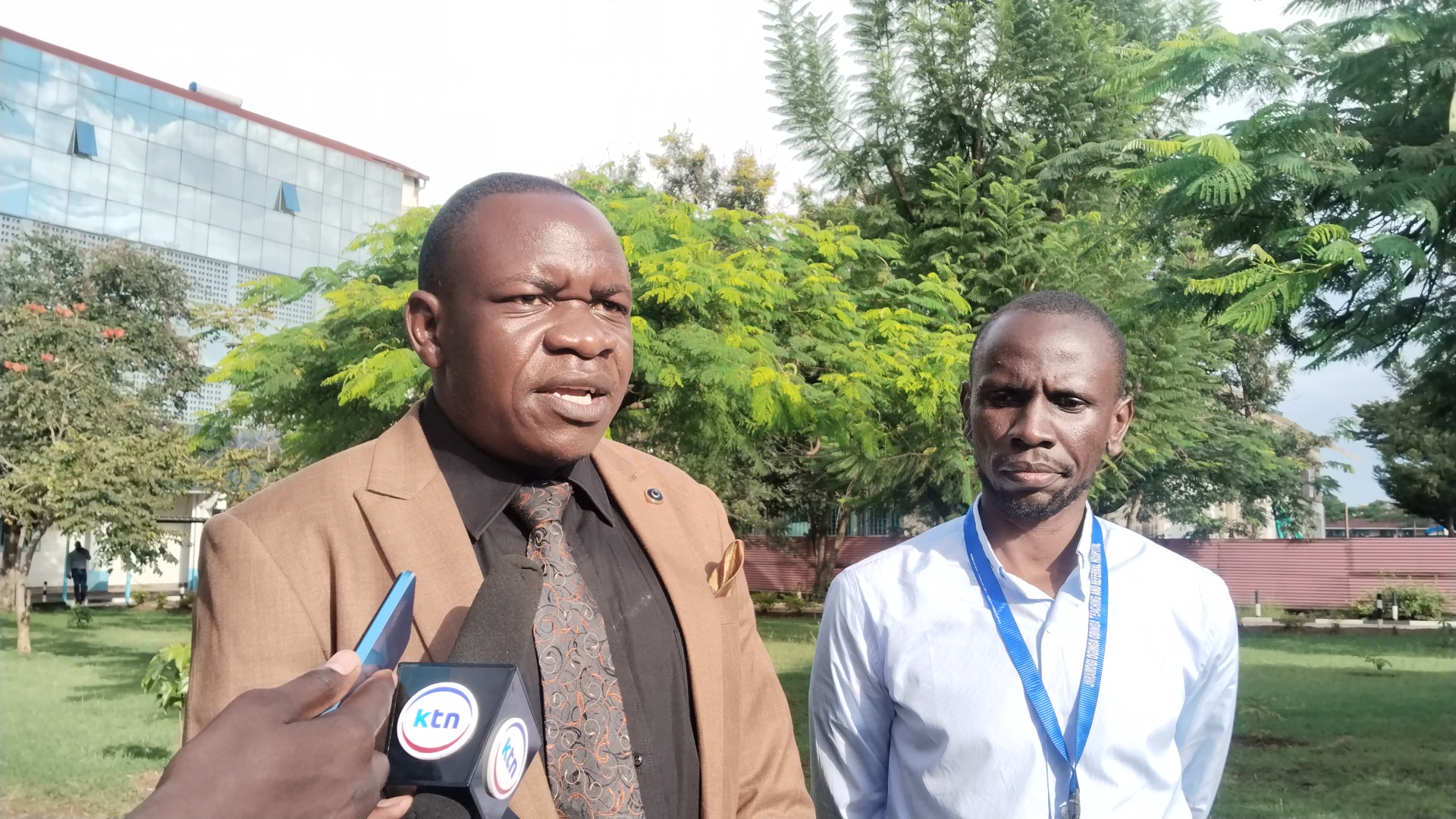
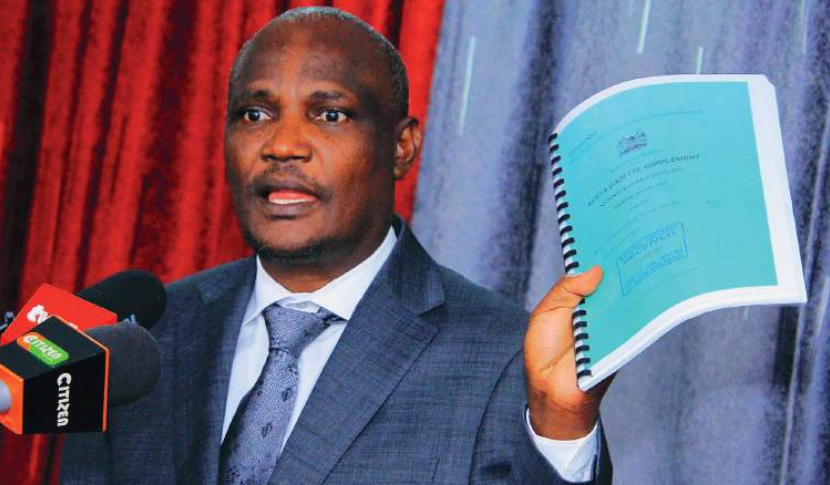
JOOTRH Acting Chief Executive Officer Joshua Okise addressing the media at the facility/Faith Matete
Jaramogi Oginga Odinga Teaching and Referral Hospital has intensified its preparedness measures against Ebola.
This is amid heightened surveillance following an outbreak in neighbouring Uganda, the hospital officials assured the public that no case has been reported in Kenya.
The hospital management said the facility has established isolation units, designated a treatment centre, strengthened laboratory capacity and begun training healthcare workers to ensure it can respond effectively should the disease cross into the country.
Speaking during a media briefing in Kisumu, JOOTRH Acting chief executive officer Joshua Okise said the hospital had moved early to prepare for a possible outbreak due to its strategic location near the Kenya-Uganda border and its role as a referral facility for patients from across the region.
“As a facility under the Ministry of Health, we want to assure the public that we are prepared in terms of prevention, control and management should Ebola reach Kenya,” Okise said.
He noted that the hospital occasionally receives patients from neighbouring countries. This includes the Democratic Republic of Congo, particularly those travelling through the Busia border route, making preparedness a priority.
Dr Moses Opondo, the chairperson of the hospital's Disease Surveillance and Response Team, said Kisumu has been identified among high-risk counties by the Ministry of Health due to its position as a regional transport and trade hub.
He said the hospital has already established isolation areas within the Accident and Emergency Department where suspected cases can be screened and managed before further action is taken.
“We have identified isolation areas at the casualty department so that any patient presenting with symptoms suggestive of Ebola or with a travel history from affected regions can be isolated immediately,” Dr Opondo said.
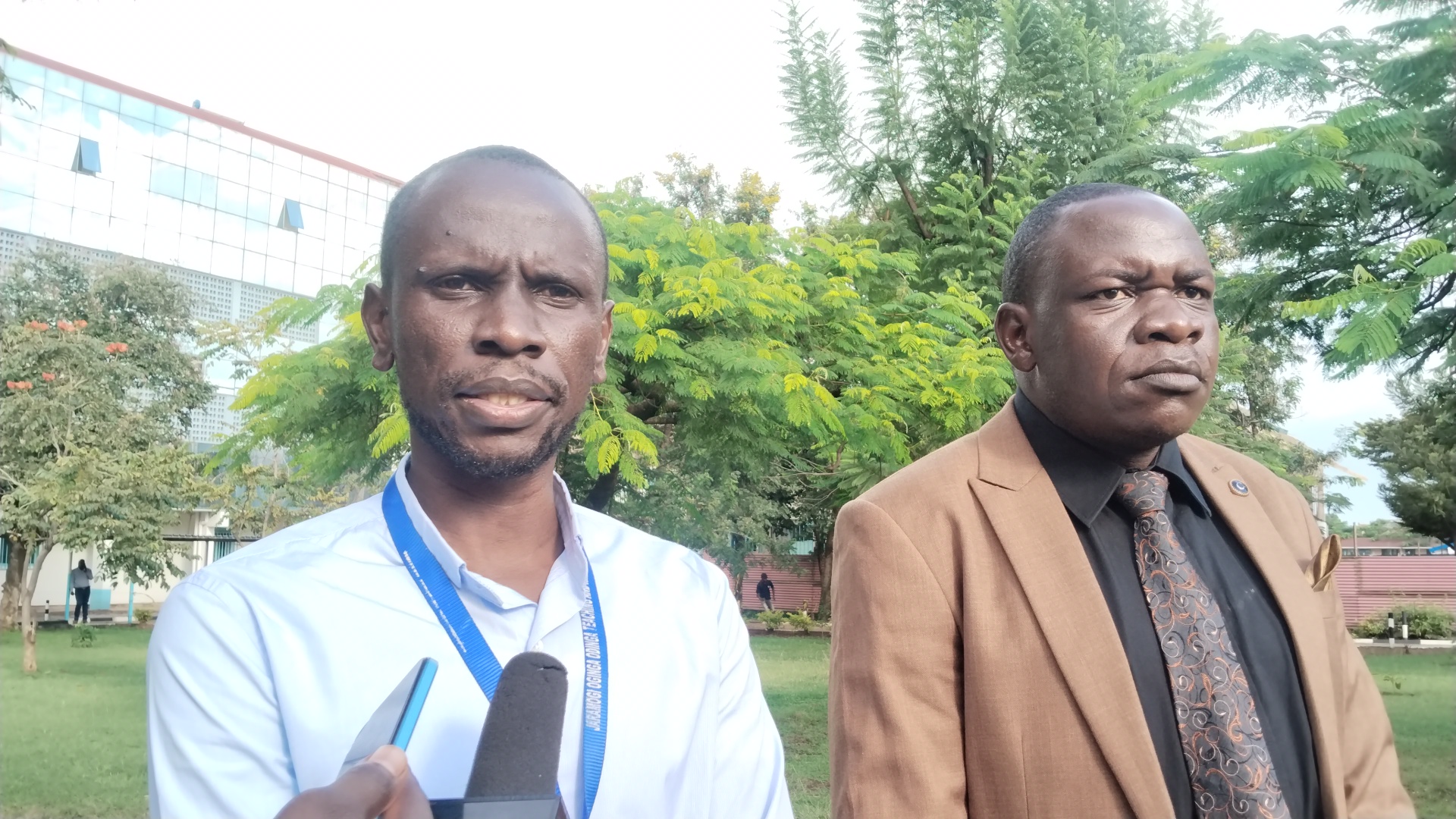
Dr. Moses Opondo, the chairperson of the hospital's Disease Surveillance and Response Team at Jaramogi Oginga Odinga Teaching and Referral hospital in Kisumu/Faith Matete
To enhance containment efforts, JOOTRH has designated its
Victoria Annex facility as a dedicated Ebola treatment centre in the event of
confirmed cases.
The hospital currently has three isolation rooms within the
main facility and additional capacity at the annex, which includes six private
rooms and four general wards that can be used for isolation and management of
patients.
According to Dr Opondo, the facility can currently
accommodate between 13 and 14 patients if an outbreak occurs.
The hospital is also working closely with the Kenya Medical
Research Institute to strengthen laboratory preparedness.
Some laboratory personnel have already undergone training on
safe sample handling and transportation, while equipment for preserving and
transferring samples has been put in place.
“We have the mechanisms required to safely collect, store
and transfer samples for testing. We are working closely with Kemri as part of
our preparedness strategy,” he said.
JOOTRH has further intensified public awareness campaigns to
counter misinformation about the disease.
Information materials have been distributed within the
hospital, while awareness messages are being shared through social media
platforms.
Opondo urged the public to remain vigilant while avoiding
panic, noting that Ebola symptoms can initially resemble common illnesses such
as influenza.
“The common symptoms include fever, weakness, fatigue and
excessive sweating. In severe cases, patients may experience bleeding from
various parts of the body, but not everyone with a fever has Ebola,” he said.
He emphasised that travel history remains a key factor in
identifying suspected cases, particularly among people arriving from affected
areas.
The hospital has also strengthened infection prevention and
control measures, including regular handwashing, the use of personal protective
equipment and minimising unnecessary physical contact.
Okise said the Ministry of Health has committed to
supporting additional training for healthcare workers, including nurses,
doctors and clinical officers, to improve emergency response capacity.
He added that plans are in place to recruit additional
healthcare personnel if the situation requires, drawing from existing databases
of qualified professionals.
“There is no cause for alarm. The government, the Ministry
of Health and partners such as the World Health Organization are closely
monitoring the situation and have put in place surveillance measures at border
points and other entry routes,” Okise said.
Public health officers have already been deployed at border
crossings between Kenya and Uganda, including areas around Lake Victoria, to
strengthen screening and surveillance efforts.
Kenya has not recorded any Ebola case, but health
authorities continue to monitor developments in the region amid concerns over
cross-border movement between East African countries.