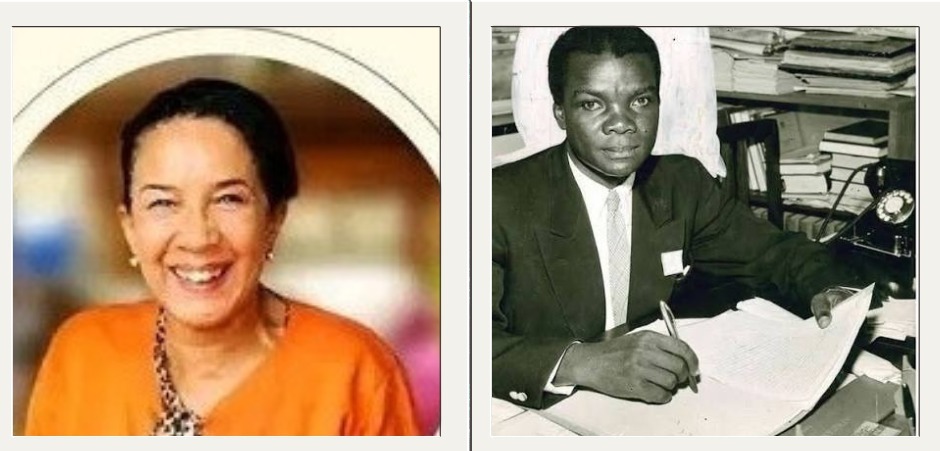
 Wajir Governor Ahmed Abdullahi with leaders when he signed the
Wajir County Miraa and Other Substances Control Act, 2025. Photo Stephen
Astariko
Wajir Governor Ahmed Abdullahi with leaders when he signed the
Wajir County Miraa and Other Substances Control Act, 2025. Photo Stephen
Astariko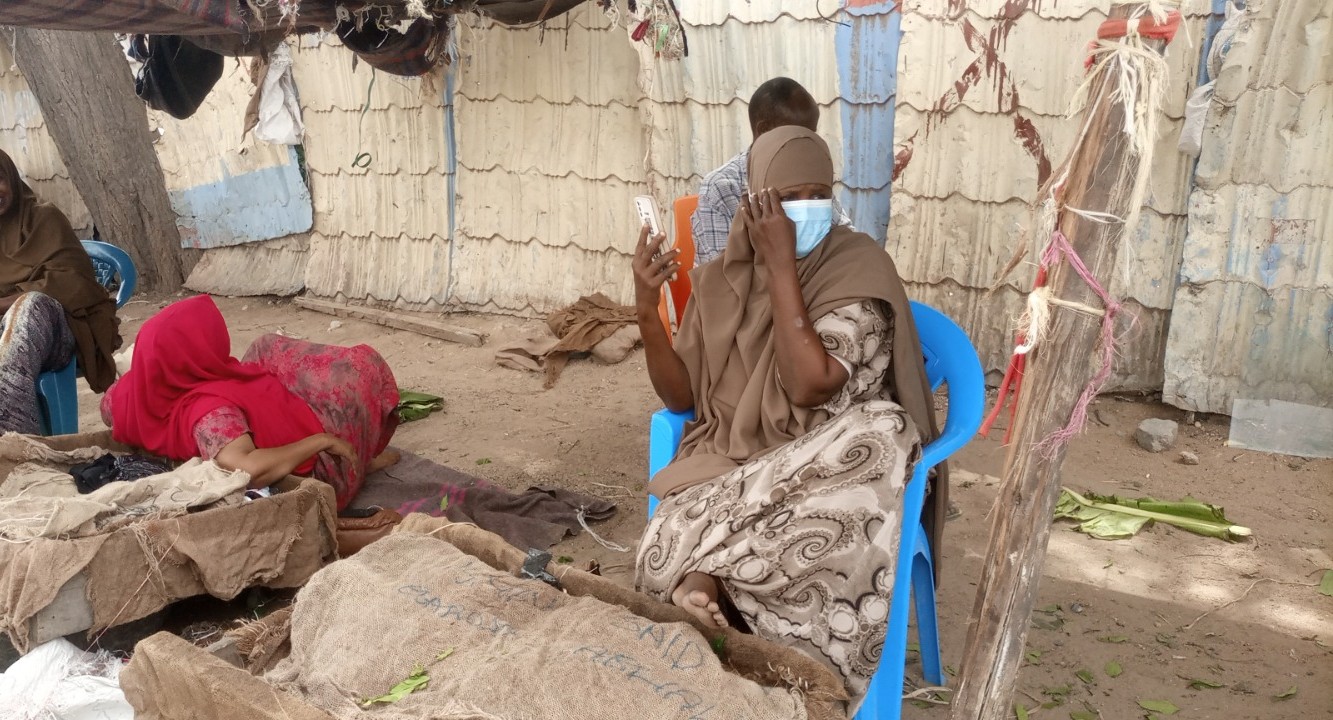 Women selling Miraa in one of the streets in Wajir Town. Photo
Stephen Astariko
Women selling Miraa in one of the streets in Wajir Town. Photo
Stephen Astariko Religious leaders at the ceremony where Wajir governor Ahmed
Abdullahi signed the Wajir County Miraa and Other Substances Control Act, 2025.
Photo Stephen Astariko
Religious leaders at the ceremony where Wajir governor Ahmed
Abdullahi signed the Wajir County Miraa and Other Substances Control Act, 2025.
Photo Stephen Astariko
Wajir Governor Ahmed Abdullahi has
assented to a new law establishing strict rules on sale and consumption of
miraa.
The Wajir County Miraa and Other Substances Control Act, 2025, requires distributors and retailers to obtain operating licenses.
It also restricts the sale of the product to areas designated by county authorities.
Under the new law, miraa sale is prohibited near schools, places of worship and health facilities, a move seeking to protect young people and vulnerable groups.
Wajir County Assembly passed the new law unanimously.
The Act also seeks to reinforce national laws governing narcotics and banned substances, ensuring county-level enforcement aligns with Kenya’s broader legal framework on drug control.
It provides for the creation of the Wajir County Authority for the Control of Miraa and Other Substances, a body designed to coordinate regulation, enforcement and public awareness.
A component of the legislation is its focus on rehabilitation. The law outlines mechanisms to support individuals struggling with substance use disorders, integrating treatment and reintegration programmes into the county’s public health strategy.
Speaking during the ceremony that was held in his office, Abdullahi described it as an important step in strengthening the county’s efforts against drugs and substance abuse in Wajir county.
He thanked MCAs for their role in passing the law, saying the county has taken a firm step towards reducing the impact of drugs and substance abuse.
“I want to thank the Wajir county assembly for passing this Bill and supporting our commitment to keeping our communities safe. We all have a role to play in protecting our communities from the expanding impact of drug abuse. The step we have taken collectively is one of those,” Abdullahi said.
Speaker Abdille Yussuf said the essence of the Bill is to control the use and sale of miraa and other substances in the county, noting that it was an open secret how the use of miraa has become a big problem in the county, affecting all sectors of life.
Nominated MCA Adan Issack urged miraa traders to follow the new rules, describing miraa as a gateway to broader substance abuse and warning of its growing social toll.
“Miraa has become the father and mother of all drugs. Wherever there is miraa there is also all sorts of other drugs. It would have been better if we offered alternative livelihoods to miraa traders so they can earn a decent livelihood, but there is currently no means to do that,” he said.
Residents drew mixed reactions. While there are those who support the new law, others criticised the assembly for rushing the Bill without incorporating their views.
Abdi Hassan, a resident from Wagberi ward praised the assembly saying the bill lays the foundation for an all-out war against drug and substance abuse in the county.
“It is a landmark achievement for us here in Wajir. Controlling Miraa has always been our dream because it affects our social and economic life. We are very grateful to the assembly,” Abdi said.
Another resident, Hussein Mohamed, said the passage of the new bill is a step towards protecting youth from drug addiction and other harmful social practices.
However, Farhia Hussein, a miraa trader took issue with the new law, saying it failed to address the real problem bedevilling the society and instead laid the blame on miraa.
“Now that they have come up with the new law, let us see whether the problems or rather the social ills, bedevilling our society will come to an end. The truth of the matter is, there is a much bigger problem than miraa, which is the lack of opportunities for our young people. That is what the government should strive to address,” Farhia said.
The Act’s successful implementation will require strong enforcement, public education campaigns and collaboration with religious and health leaders.