

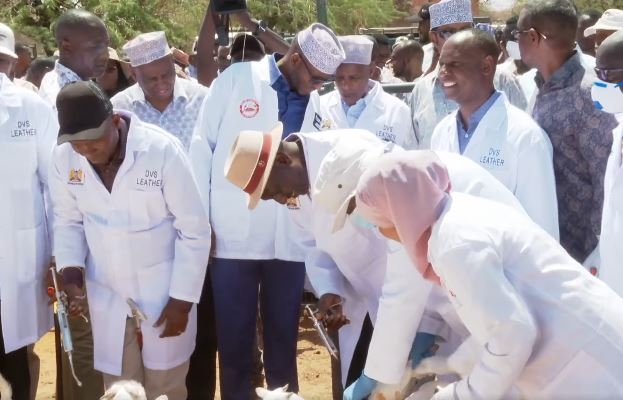
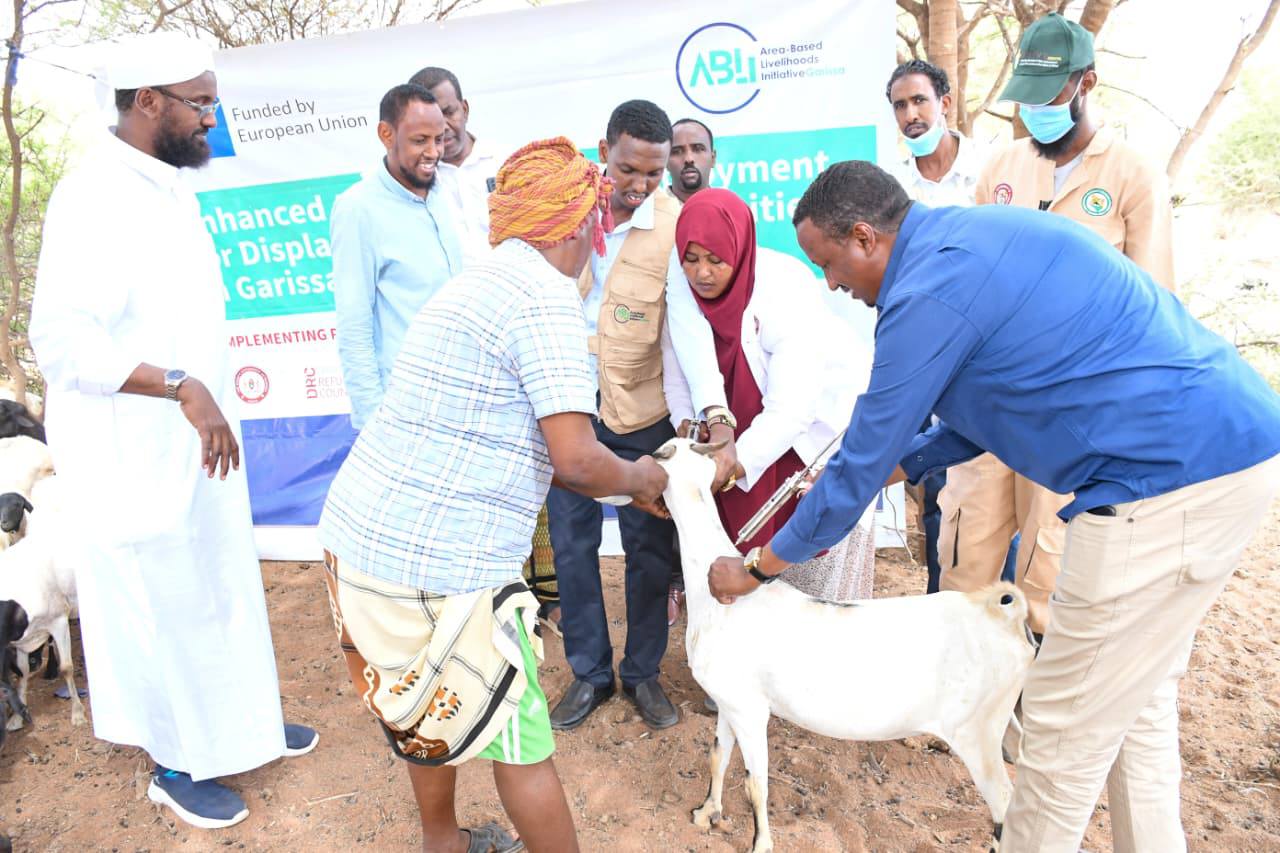
 County director for veterinary services, Dr Haret Hambe, leads the vaccination
exercise/HANDOUT
County director for veterinary services, Dr Haret Hambe, leads the vaccination
exercise/HANDOUT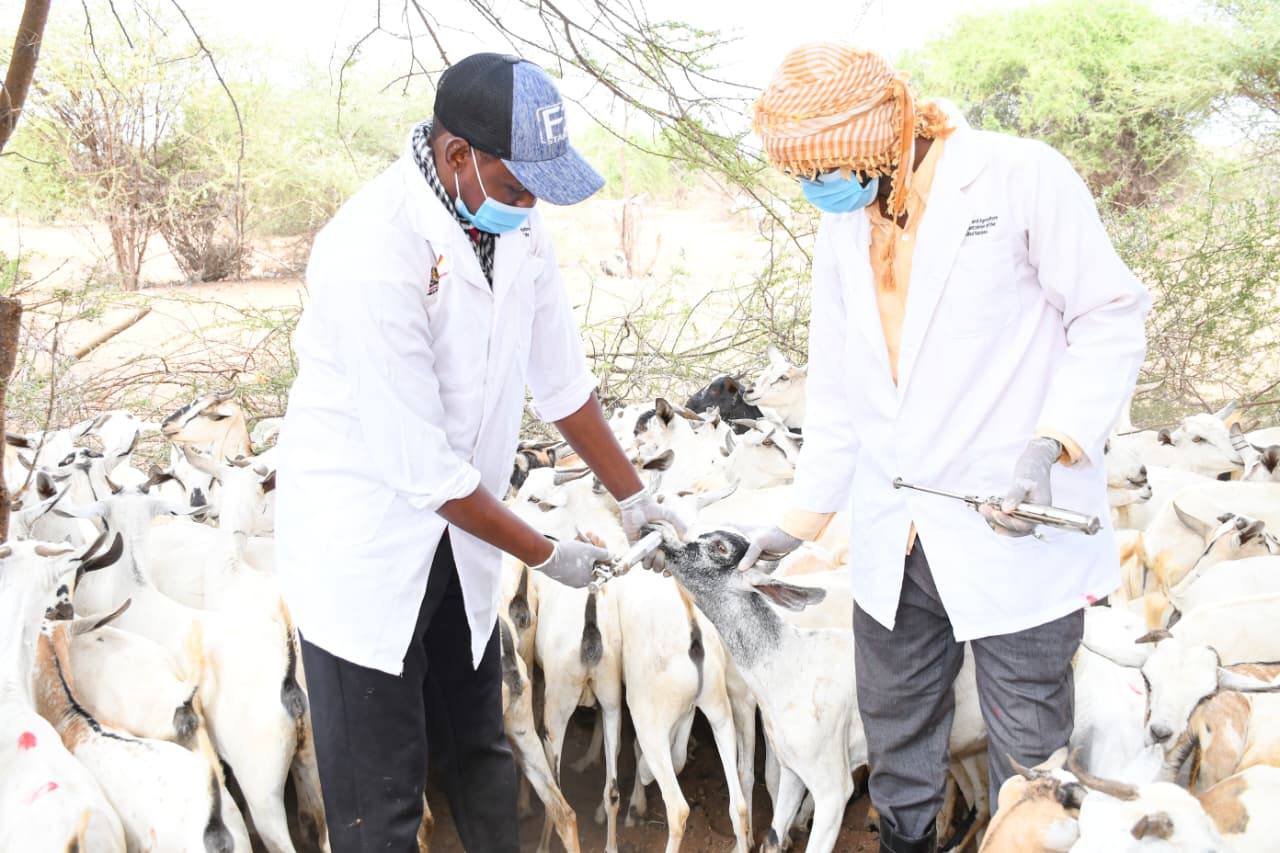
Garissa County has launched the national e-voucher livestock vaccination programme, marking a major step towards strengthening animal health and safeguarding pastoralist livelihoods in the region.
The programme, rolled out at Bulla Hodhan in Sankuri ward, Garissa Township, is supported by the World Bank-funded Food Systems Resilience Project (FSRP) and implemented under the Ministry of Agriculture, Livestock and Fisheries Development.
It introduces a digital
voucher system that subsidises vaccination costs for pastoralists and
small-scale livestock keepers.
The
initiative aims to push vaccination coverage for Peste des Petits Ruminants (PPR) and foot and mouth disease (FMD) from
the current 30 per cent to at least 80 per cent, drastically reducing the
prevalence and economic impact of transboundary livestock diseases.
Under the scheme, livestock owners pay only a small amount of the vaccine cost of Sh3 per goat/sheep for PPR vaccine (total cost Sh13), Sh50 per head of cattle for FMD vaccine (total cost Sh160)
The
government covers the remaining charges—Sh10 for PPR and Sh110 for FMD—making the service affordable even for vulnerable
households.
Additionally,
mobile veterinary teams will move across remote settlements to ensure high
coverage, while the digital system improves traceability, transparency and
quality control.
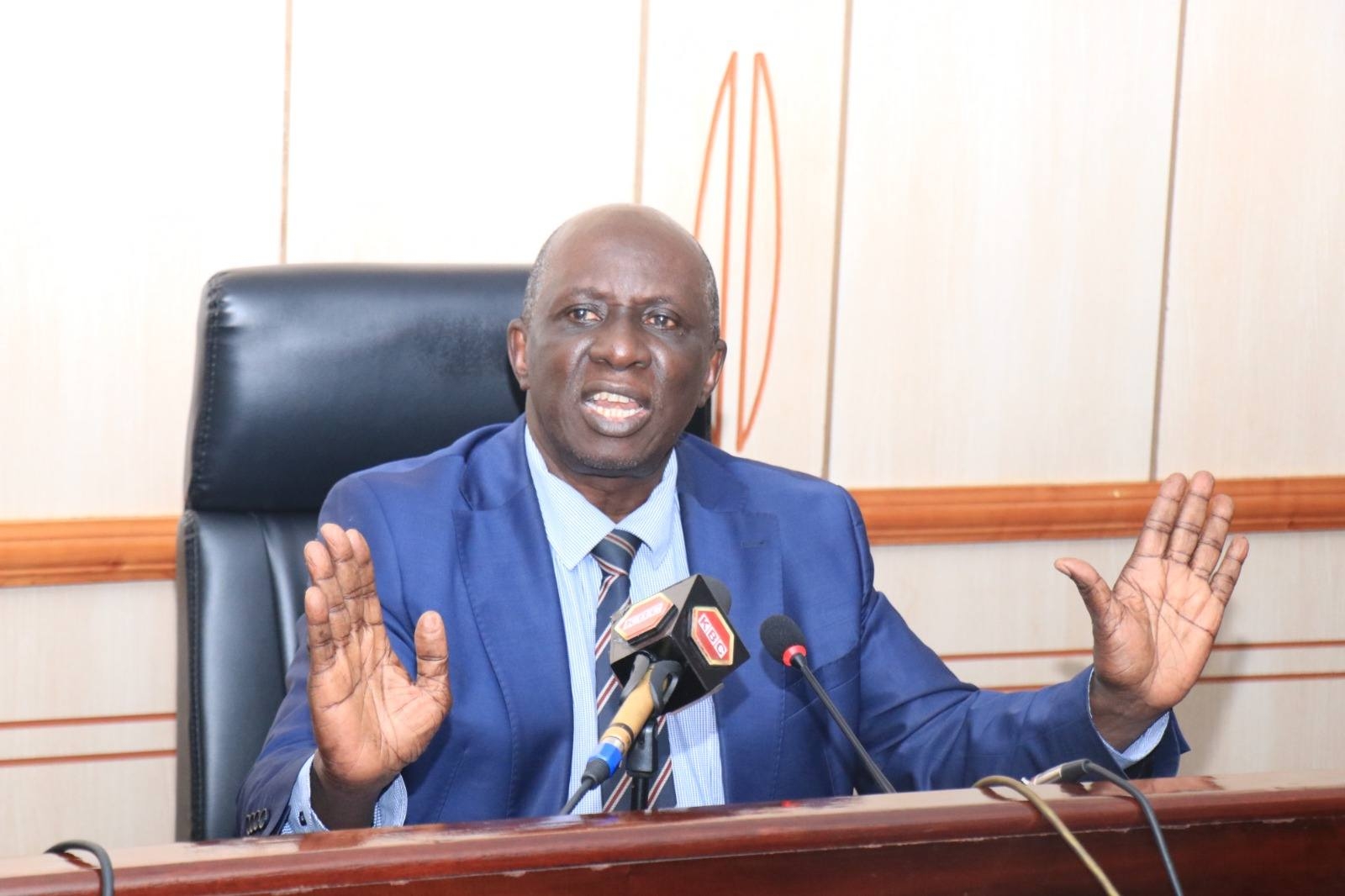
County
director for veterinary services Haret Hambe said the initiative marks a
transformative moment for pastoralists in Garissa.
“For
years, low vaccination coverage has left our herds vulnerable to outbreaks.
With this digital voucher system, we are eliminating cost barriers, improving
access and ensuring every vaccine administered is traceable,” he said.
“If communities embrace this programme, Garissa will be on the frontline of eliminating PPR from Kenya by 2027.”
Hambe said the county has already completed community sensitisation, registration of livestock keepers and training of vaccinators to ensure a smooth rollout.
Agriculture chief officer Mohamed Omar, who presided over the launch, urged
farmers across Garissa to fully participate in the programme.
“This is
one of the most farmer-friendly initiatives we have ever implemented.
Government is cushioning livestock keepers from the high cost of vaccines so
that no household is left behind,” he said.
“We want
every farmer in Garissa to bring out their animals, get vaccinated and protect
their livelihoods. Together, we can stop PPR and significantly reduce FMD cases
in our county.”
Mohamed said livestock keepers, who were not previously registered, will be enrolled
on-site by vaccination teams.
The launch
event brought together officials from the county veterinary department, the
Ministry of Agriculture, FSRP teams, local leaders and Sankuri community
members.
Farmers
welcomed the initiative, saying it will reduce disease-related losses and
improve livestock productivity, a critical lifeline for households in Garissa’s
arid lands.
The
vaccination campaign continues across wards in the coming days, with county
teams targeting thousands of cattle, goats and sheep.
This comes
as the national government also intensify efforts to revive pastoral
livelihoods in Kenya’s arid and semi-arid lands (Asals) through a major
livestock restocking programme, in an event held in Marsabit on Friday, signalling renewed commitment to restoring dignity and economic stability
among drought-hit households.
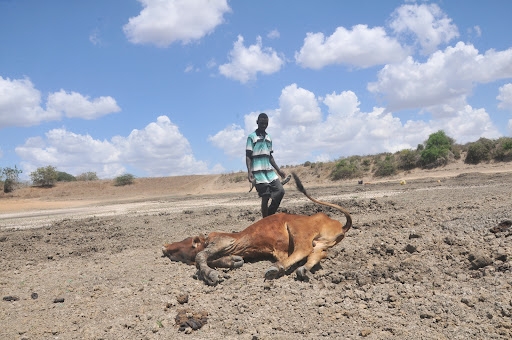
Asals and Regional Development PS Kello Harsama said the initiative follows the catastrophic drought that claimed more
than 2.5 million livestock, leaving
thousands of pastoral families on the brink of collapse.
“This
initiative is not just an intervention; it is a powerful testament to the
government’s steadfast commitment to restoring livelihoods, dignity, and hope
across Asal communities,” PS Harsama said.
Acting on President William Ruto’s directive, he said the state department—working through the National Drought Management Authority (NDMA)— rolling out a comprehensive restocking programme targeting the most vulnerable households.