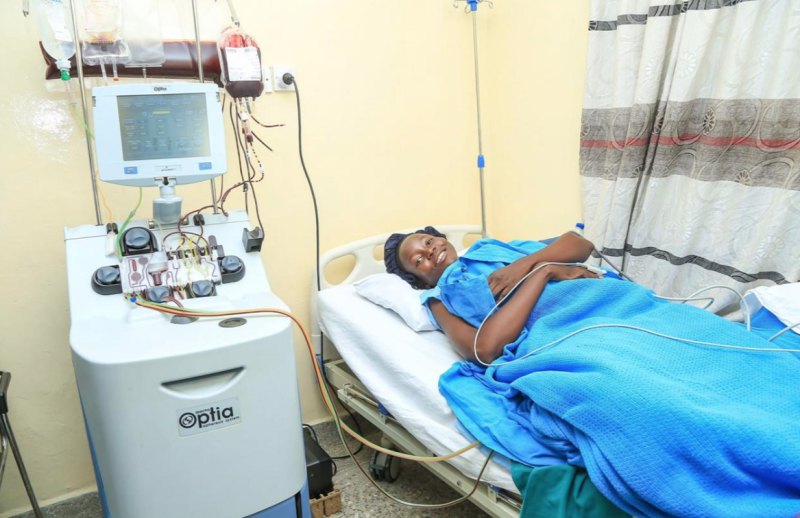
A 73-year-old patient who had endured severe chest pain and faced months of uncertainty has successfully undergone a highly complex coronary intervention at The Nairobi West Hospital, marking another milestone in the treatment of advanced heart disease in Kenya.
The patient had been suffering from debilitating angina caused by a critically narrowed left anterior descending (LAD) artery, one of the heart's most important blood vessels. Investigations revealed a 99 per cent blockage involving the proximal LAD and extending into the distal left main coronary artery. The lesion was further complicated by severe circumferential (360-degree) calcium deposits, making conventional treatment approaches particularly challenging.
According to Dr Vijaysinh Patil, Director of Cath Lab and Interventional Cardiologist at The Nairobi West Hospital, the patient had been awaiting definitive treatment for nearly three months due to the complexity and high-risk nature of the lesion.
“Severe coronary calcification remains one of the greatest challenges in modern interventional cardiology. In this case, the artery was almost completely blocked and heavily calcified, making it difficult not only to access the lesion but also to adequately prepare the vessel for stent implantation,” said Dr Patil.
The procedure involved the use of rotational atherectomy, an advanced technique often referred to as "artery drilling," where a diamond-coated burr rotates at high speed to modify and debulk hardened calcium deposits within the artery. Once the calcium was successfully modified, drug-eluting stents (DES) were implanted to restore blood flow to the heart muscle.
Despite significant technical difficulties, including severe vessel angulation and challenges in wiring the artery, the intervention was completed successfully, achieving an excellent final angiographic outcome.
Globally, coronary artery calcification is increasingly becoming a major concern as populations age and the prevalence of diabetes, hypertension and chronic kidney disease continues to rise. Studies indicate that heavily calcified coronary lesions are associated with lower procedural success rates and higher risks of complications if not managed using specialised calcium-modification technologies.
Cardiology experts note that proper lesion preparation is often the difference between a successful long-term result and future treatment failure. Without adequate calcium modification, stents may not expand fully, increasing the risk of restenosis, recurrent symptoms and future cardiac events.
The successful treatment underscores the growing availability of advanced cardiac care within the region and highlights the importance of investing in specialised interventional cardiology services. Procedures that once required referral abroad can now be performed locally, offering patients timely access to life-saving therapies.
For patients, the message is equally important: persistent chest pain, shortness of breath or reduced exercise tolerance should never be ignored. Early diagnosis and intervention remain critical in preventing heart attacks and improving quality of life.
“As interventional cardiologists, our goal is not only to open blocked arteries but to ensure durable outcomes. Proper calcium modification remains a cornerstone of success in complex coronary interventions,” Dr Patil said.
The case serves as a reminder of how advances in
cardiovascular medicine continue to transform outcomes for patients once
considered too high-risk or too complex for treatment.