


Across Kenya, nearly 800,000 young people enter the labour market each year, yet more than 80 per cent of newcomers are absorbed by the informal sector.
Up to 67 per cent of young people are either unemployed, underemployed, or outside formal work.
It is within this gap that corporate partnerships are stepping in with durable pathways to opportunity.
Over recent days, a series of joint interventions backed by Bata Shoe Kenya, AP Moller-Maersk and DHL Kenya have seen expanded investment to safeguard independent futures for vulnerable youth.
Through different programmes, the corporate giants sought to address a deficit in real-world professional readiness.
On Friday, Bata Kenya renewed its partnership with SOS Children’s Villages Kenya for a third consecutive year under the global YouthCan! programme.
“Through YouthCan!, we continue to invest in practical skills, mentorship and opportunities that help young people grow in confidence, strengthen resilience and prepare for the realities of the modern workplace and entrepreneurship,” Bata managing director Abbas Shirazi said.
The initiative, which launched in 2017 and has already supported more than 23,000 young people in 48 countries, is now deepening its footprint across Nairobi, Mombasa, Kisumu, Eldoret and Meru.
Over the past three years, the collaboration has directly reached more than 1,000 vulnerable young people through mentorship, employability readiness training, entrepreneurship exposure and psychosocial support.
The partnership has funded 10 youth-led businesses, securing more than 20 corporate internships and creating multiple pathways to direct permanent employment. This year, the programme expands to include financial literacy training to strengthen long-term economic resilience.
However, substantial developmental gaps remain unaddressed.
Walter Odhiambo, national director of SOS Kenya, added that the transition into adulthood is especially challenging for vulnerable young people without strong support systems.
“Through this partnership, we are not only equipping young people with employability and entrepreneurial skills, but also strengthening their confidence, emotional wellbeing and ability to make informed decisions about their future.”
While digital and occupational literacy have improved, a vast majority of vulnerable youth remain structurally excluded from the formal banking sector due to a total lack of financial planning skills.
Furthermore, severe rural-urban digital divides persist, leaving hundreds of local communities without access to stable hardware or modern innovation spaces.
Only 23.8 per cent of Kenyan households have internet access, leaving entire communities excluded from the digital economy.
To bridge this divide, AP Moller-Maersk donated 30 laptops to support SOS Kenya's Digital iHubs.
Charl Pienaar, compliance manager for Africa at Maersk, said: “The iHub model has the potential to open doors across communities.”
Already, through its ICT4D programme, SOS Children’s Villages Kenya has trained more than 10,000 individuals and reached more than 29,000 community members. The iHubs bridge literacy gaps and create pathways for learning.
“Through technology, we are equipping young people with the skills and confidence they need to thrive in a digital world,” Kungu Keige, ICT manager at SOS Kenya, said.
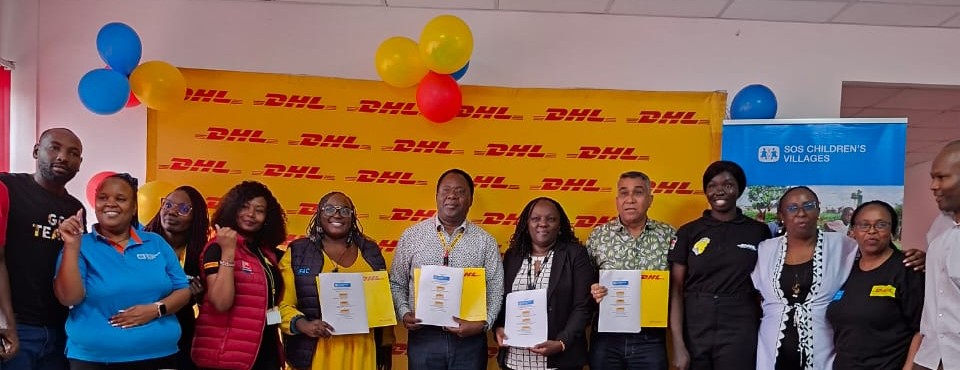
Separately, SOS Children’s Villages Kenya and DHL Kenya extended their GoTeach youth employability programme for another five years, marking 14 years of continuous collaboration.
The partnership signing was attended by Paul Makolosi, managing director DHL Express, Ruth Kamunyu, country director, DHL supply chain, Pramod Bagalwadi, CEO DHL global forwarding, East Africa and Diana Etsabo from SOS Kenya.
Speaking at the launch, Etsabo said that more than one million young people enter the job market every year from universities, colleges and technical and vocational education and training institutions.
“A youthful population cannot simply be an accolade. It only becomes an advantage when young people are equipped, empowered and prepared to contribute meaningfully to society and to empower others forward,” she said.
“Through this collaboration with DHL, we are helping bridge the gap between potential and opportunity by equipping young people with practical skills, confidence and pathways into the world of work.”
The GoTeach programme operates on an Explore, Expose and Practice model. Over the last three years, more than 300 young people have directly benefited.
SOS project manager Fausta Mwili said: “We have witnessed young people build self-esteem, develop resilience, strengthen their employability skills and confidently seize opportunities that come their way.”
She added that passion for what we do is a must, as stated by the managing director of DHL Express Kenya.
Despite these gains, the scale of the challenge remains immense. With a median age of about 20.5 years and more than 75 per cent of the population under 35, Kenya’s youth bulge is a sleeping giant.
The demand for decent, formal work continues to outstrip supply and for every 10 youth-led businesses supported, thousands of other young entrepreneurs remain unfunded.
Etsabo warned that closing the nationwide digital and economic divide cannot be achieved by isolated entities. She urged more corporate foundations to commit long-term resources to secure the next generation's economic independence.
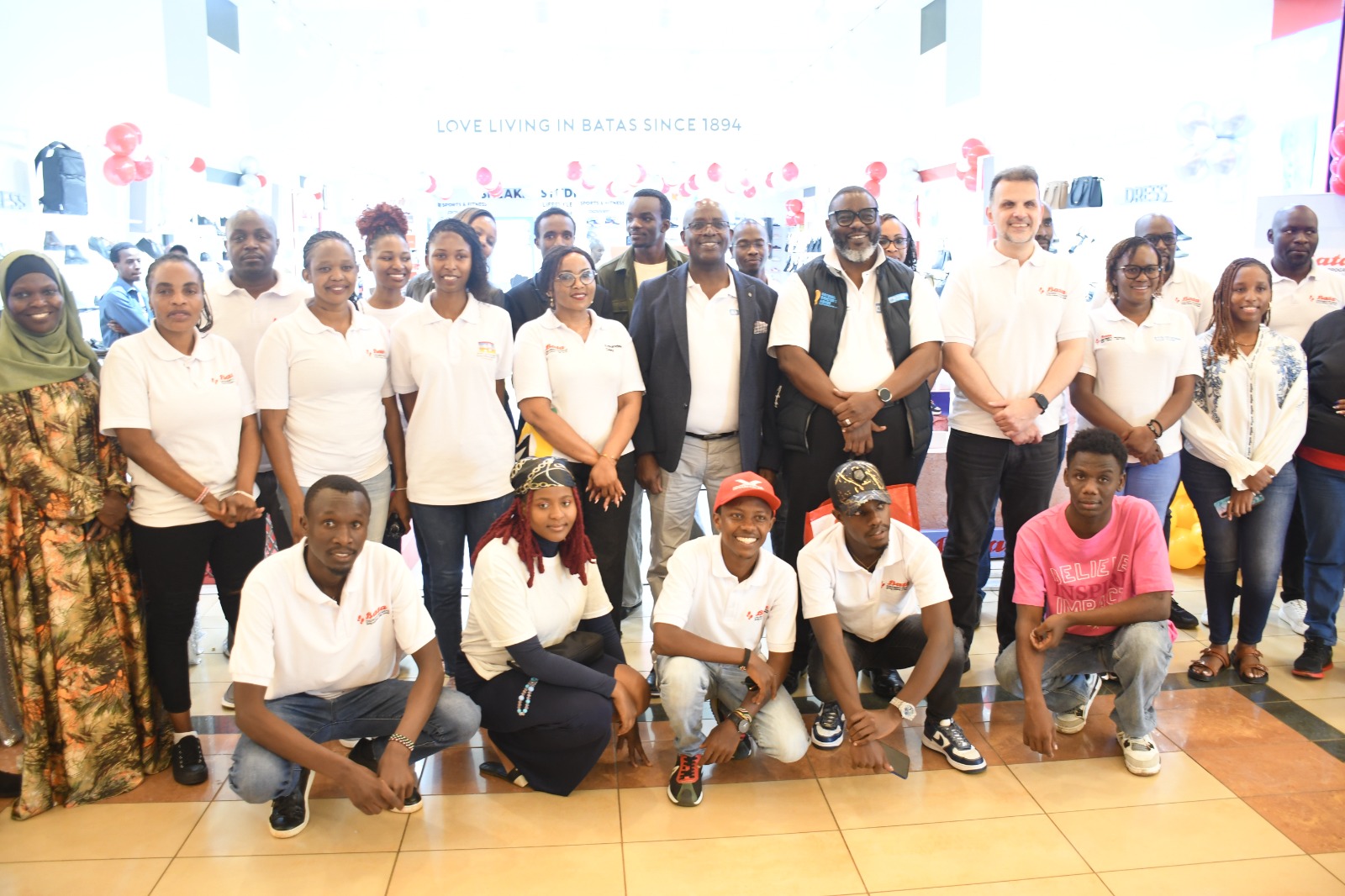 SOS Children's villages Kenya and BATA Kenya leadership together with staff and the young people during the launch of the third year partnership agreement towards youth empowerment, entrepreneurship and mentorship on Friday /HANDOUT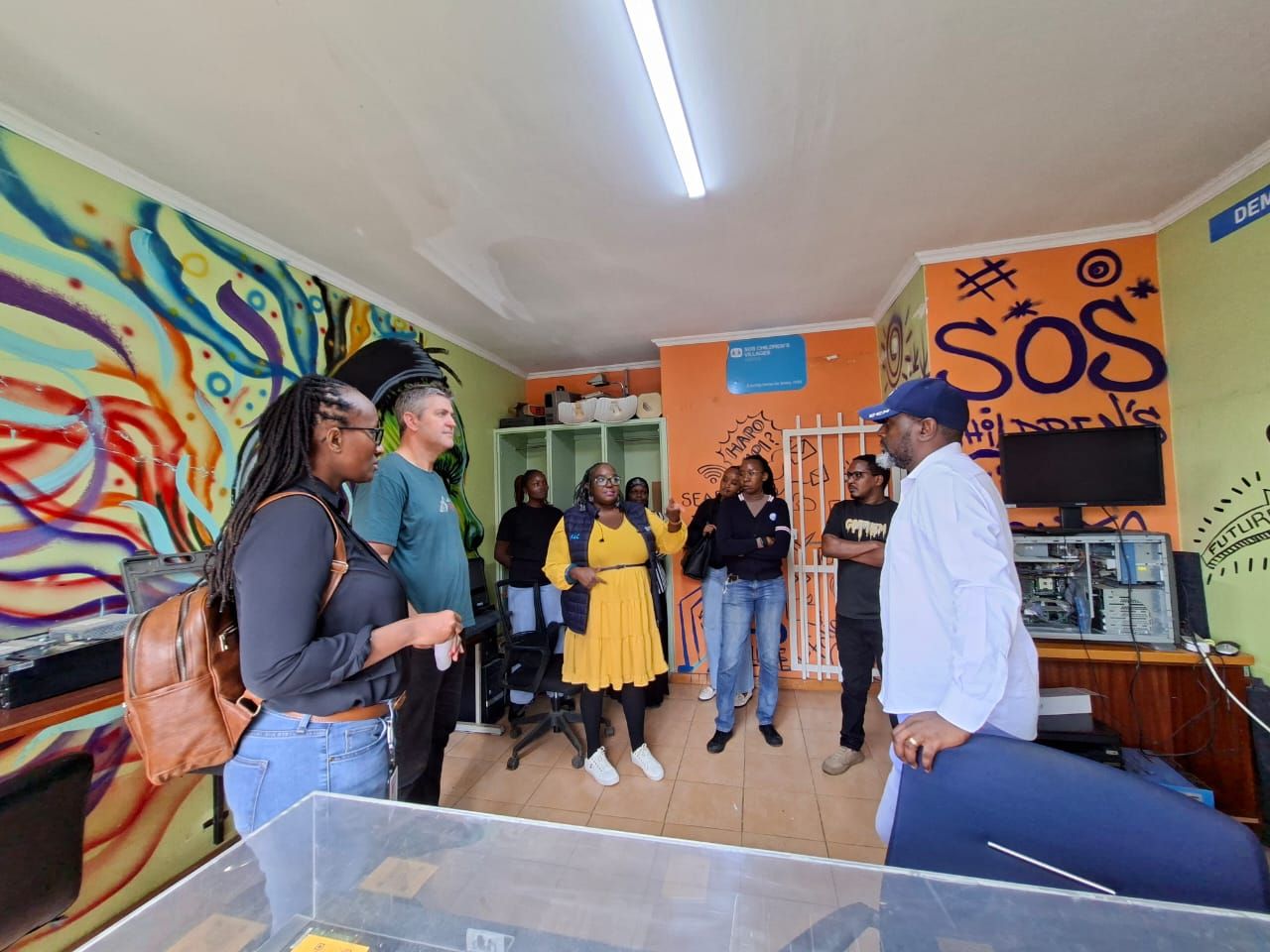






![[PHOTOS] Red carpet in Pretoria as Ruto begins South Africa visit](https://cdn.radioafrica.digital/image/2026/06/abe3e750-6e5a-4394-a45c-899768be6240.jpeg)