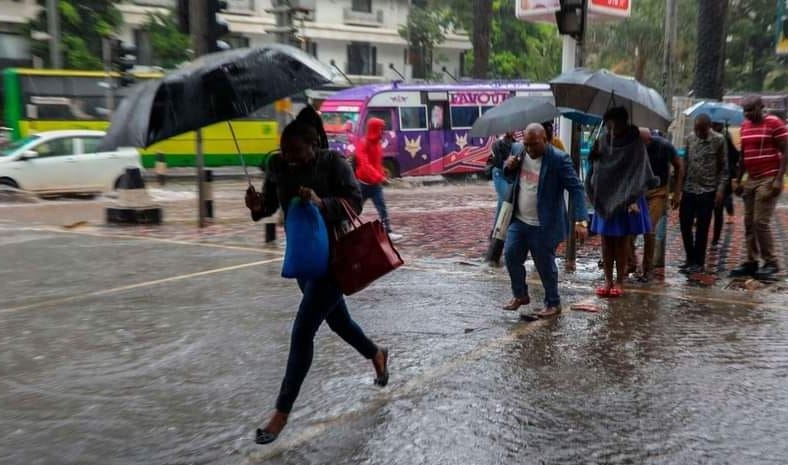


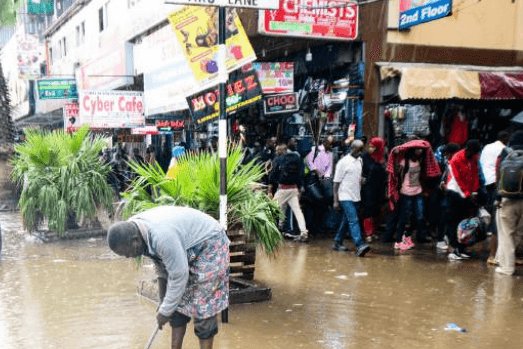
Nairobi’s traffic congestion and disorder are the result of past city planning decisions that neglected non-motorised transport and failed to regulate private car access to the central business district, a senior county official has said.
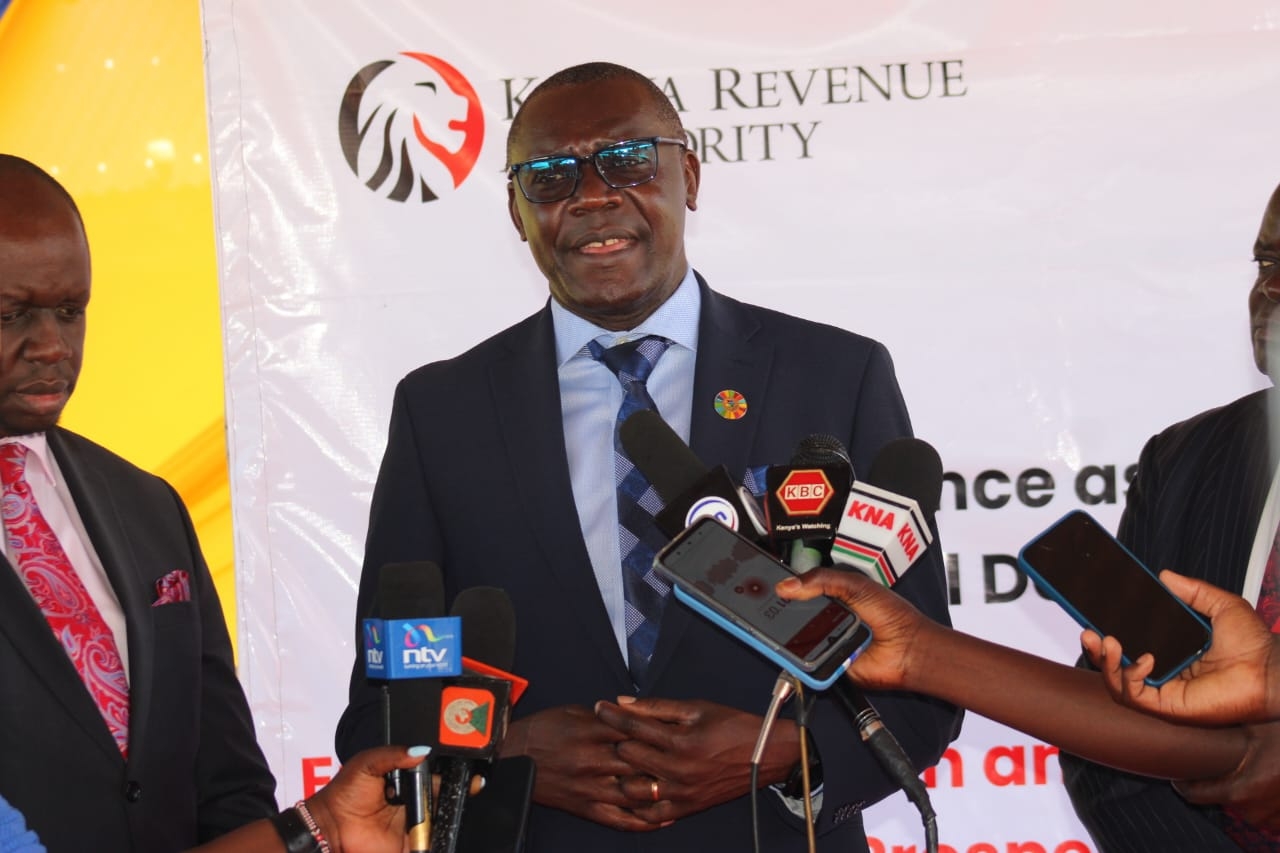
Mobility and Works CEC, Ibrahim Auma, said previous regimes at City Hall did not reserve adequate space for pedestrians and cyclists when developing the city’s master plans.
“If enough room had been left for safe cycling and more footpaths constructed, the chaos in the city could have been toned down and, in effect, ensured order and safety,” Auma said.
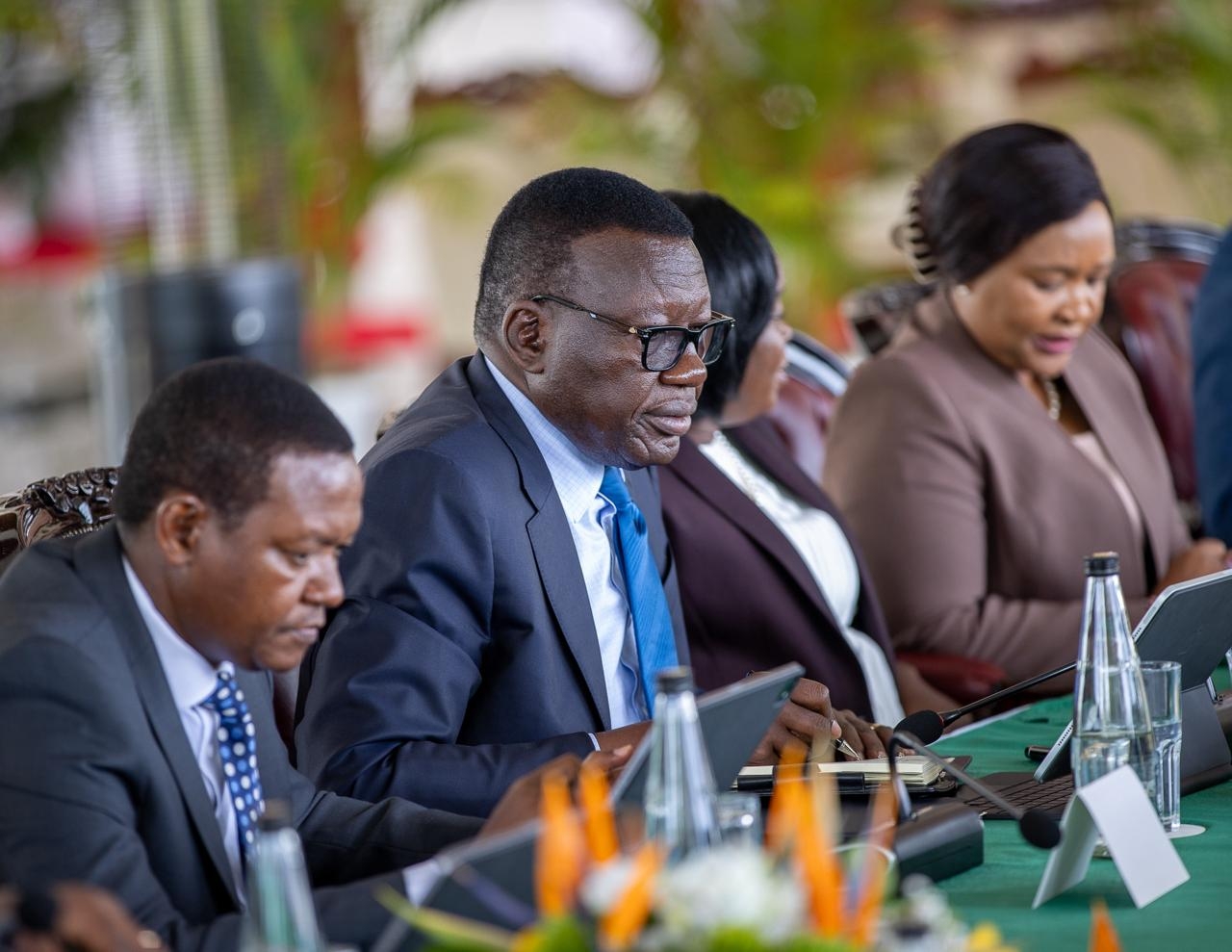
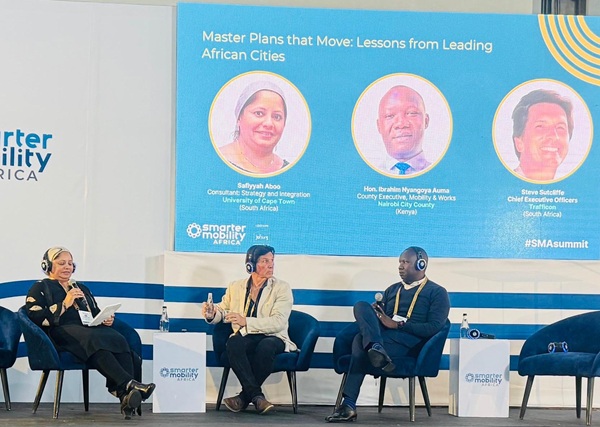
He was speaking at the Smart Mobility Africa 2025 Summit held earlier this month in Sandton, South Africa.
The explanation from the CEC comes amid sustained clamour for order in the city, including a motion by MCA Robert Alai to give wheelbarrows and handcarts licence plates to rein in the chaos.
At the same time, the emergence of the vibrant boda boda industry has compounded the disarray and has been infiltrated by criminal elements.
Auma said earlier transport master plans underestimated the role of e-mobility and non-motorised transport, which contributed to the current challenges in Nairobi’s urban transport network and outlined steps now being taken by the county.
“We are addressing this through initiatives such as electric-vehicle charging infrastructure, updated building-code regulations, Low Emission Zones and a redesigned bus network to improve efficiency and cut emissions,” he said.
The summit brought together transport leaders and policymakers to discuss the future of integrated mobility in African cities.
It was also attended by city planners, policymakers and mobility experts who discussed integrated transport strategies and sustainable urban mobility solutions for African cities.
At the summit, Auma participated in a panel discussion on the role of Integrated Transport Master Plans (ITMPs) in shaping Africa’s urban development.
He described ITMPs as “long-term strategic frameworks that harmonise all modes of transport with land use, housing and economic growth."
Embedding equity, safety, accessibility and climate resilience in transport systems allows ITMPs to guide sustainable urban growth.
According to Auma, ITMPs are important in reducing congestion and improving regional connectivity.
“By prioritising mass rapid transit, walking and cycling, and reinforcing commuter rail and Bus Rapid Transit (BRT) corridors, ITMPs also promote transit-oriented development, cutting long commutes and curbing urban sprawl,” he said.
“Stronger institutional coordination across national and local governments is key to making these plans work.”
Auma identified institutional fragmentation, limited funding, policy blind spots and data gaps as major barriers to progress.
He called for robust governance and planning institutions, sustainable financing mechanisms, climate- and equity-centred approaches and deeper stakeholder engagement to address these challenges.
The CEC also said transport plans should remain flexible to respond to changing urban needs. Master plans, he noted, should be treated as “living instruments of transformation, not static documents”.
Africa has an opportunity to develop transport systems that reduce inequality, enhance regional integration and support climate-resilient cities.
“As a continent, we must work together to build smarter, greener and more inclusive mobility,” he said.
Instant analysis
Nairobi’s transport gridlock is rooted in decades of car-centric planning that sidelined walking and cycling. The county now faces the challenge of retrofitting a city long built for private vehicles.