


A new study has warned that wheat stem rust disease is an increasing menace in Kenya, Uganda and Ethiopia, especially as wheat consumption has risen.
The report by the Centre for Agriculture and Bioscience International (Cabi) indicates that wheat stem rust (WSR), the world’s most devastating wheat disease, persistently threatens food security in East Africa.
Multidisciplinary approaches are urgently needed to curb the disease, particularly the Ug99 race or strain, according to the report assessing WSR impacts and management strategies.
Ug99 attacks more than 90 per cent of released wheat varieties worldwide.
Dr Makaiko Khonje, socio-economist at Cabi and co-author of the paper, said international and national research has developed multiple control measures. They include traditional methods, biocontrol, chemical use, breeding and promoting high-yield, resistant varieties with complementary best growing practices.
Managing Ug99 requires a multifaceted approach involving scientists, policymakers and farmers, he said.
“Farmers need to view wheat as a food security crop, not just a cash crop and adopt production technologies for both home consumption and market sales,” Khonje said.
According to Kenya’s 2025 Economic Survey, wheat production increased from 309,500 tonnes in 2023 to 312,200 tonnes in 2024.
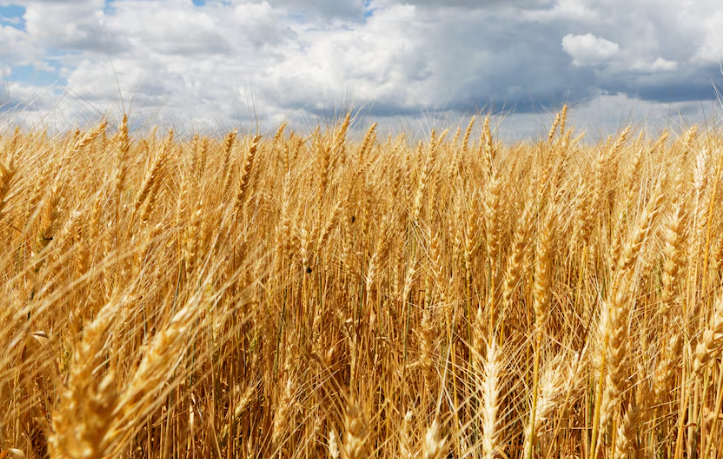
Wheat is the second most cultivated cereal globally and the second most important crop for human consumption after maize.
In the first half of 2025, global wheat production was valued at nearly Sh6.91 trillion, ($52.52 billion), with the market projected to reach Sh8.64 trillion ($65.76 billion) by 2030.
In Sub-Saharan Africa, wheat is increasingly important due to urbanisation, changing diets and a growing population. The gap is widening, however, between production and demand, especially in East Africa.
Between 1990 and 2021, imported wheat accounted for 28 per cent of consumption in Ethiopia, 75 per cent in Kenya and 95 per cent in Uganda, forcing countries to spend scarce resources to meet demand.
The study traces the re-emergence of WSR in 1998 with the Ug99 race/strain and its spread across the region.
The researchers said wheat production in Eastern Africa has historically been seen as a “rich man’s venture”, but changing consumption patterns mean production strategies must adapt to ensure the crop’s sustainability and accessibility.
Wheat rusts are fungal diseases occurring in almost every wheat-growing country, causing significant economic losses. Because they can form new strains, rusts are capable of attacking even previously resistant varieties, Greenlife Crop Protection Africa says.
There are three main types of wheat rust: leaf rust, stem rust and stripe rust. Leaf rust attacks the foliage. Symptoms include dusty, reddish-orange to reddish-brown fruiting bodies on the leaf surface.
These lesions produce numerous spores, sometimes covering nearly the entire upper leaf. Severe infections before flowering can lead to early defoliation, poor grain filling, smaller kernels and stunted plant growth.
Stem rust forms elongated, ragged-edged spots on stems, leaf sheaths and sometimes seeds and other areas. Spots range from orange to dark red. In severe cases, the disease can destroy a healthy crop within weeks, leaving only shriveled grain and tangled black stems.
Stripe rust produces yellow or orange blister-like pustules that run parallel to leaf veins. The spores spread easily by wind. Severe early-season infections, especially under cool, wet conditions, can cause a total crop loss in susceptible varieties.
In Kenya, wheat is mainly grown in Narok, Nakuru, Uasin Gishu and Trans Nzoia counties. While wheat farming contributes to both food security and the economy, the country still depends heavily on imports to meet demand.
To address threats like Ug99 stem rust, the Kenya Agricultural and Livestock Research Organisation has released improved and hardier varieties such as Eagle10 and Robin, which provide some disease resistance.












![[PHOTOS] Red carpet in Pretoria as Ruto begins South Africa visit](https://cdn.radioafrica.digital/image/2026/06/abe3e750-6e5a-4394-a45c-899768be6240.jpeg)