



Fishermen in Mombasa and Kilifi
counties are set to benefit from a solar energy initiative designed to address
their energy needs, particularly in fish storage.
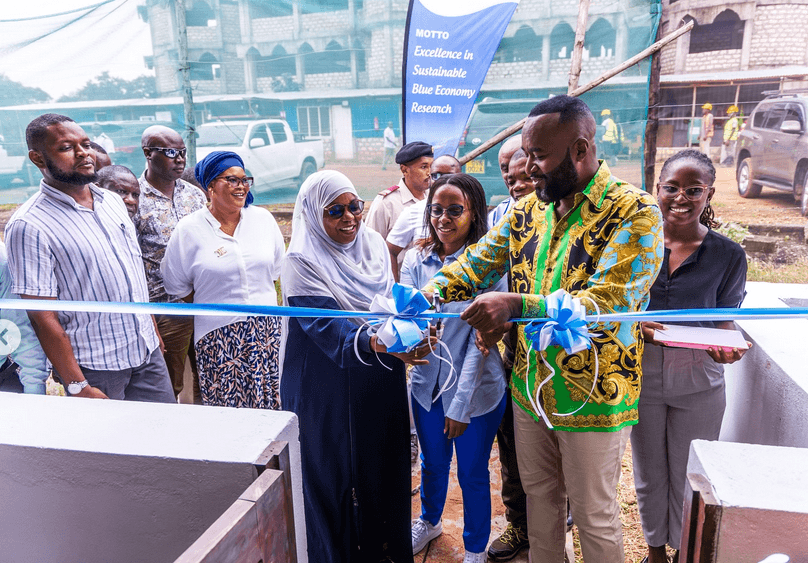
The Credit Project will
be officially launched in Mombasa on Friday. The Sh437.9 million initiative seeks to improve rural livelihoods, enhance climate resilience and expand
equitable access to renewable energy in underserved communities.
Funded by the UK Research and Innovation, the project focuses on deploying off-grid solar mini-grids in rural African communities to combat energy poverty.
Its co-design approach ensures local communities actively participate in developing and implementing
solutions tailored to their needs.
The project is being implemented in
Kenya, Malawi and Zambia through a collaboration between the University of York
(UK), Technical University of Mombasa, Coastal and Marine Resource Development
(Comred), Lilongwe University of Agriculture and Natural Resources (Malawi),
and the United Church of Zambia University.
In Kenya, one of the flagship sites
is the Mayungu Beach Management Unit (BMU) in Kilifi county. The area, home to more than 900 artisanal fishers, traders and processors, has long faced unreliable
energy access, post-harvest losses and limited cold storage facilities.
Suresh Perinpanayagam,
principal investigator from the University of York, said the project will
partner with women-led fish trading groups, BMU leadership and youth
entrepreneurs to co-design a solar-powered cold chain system for the community.
It will also upgrade existing solar infrastructure, expand storage capacity and deploy digital twin technology for predictive maintenance and performance monitoring.
In addition,
it will develop sustainable business models to promote local ownership and
reinvestment in energy services, with women in fish processing receiving
special focus.
“We will also conduct
capacity-building workshops to train local technicians in solar maintenance,
governance and entrepreneurship,” Perinpanayagam said. “What sets the Credit project apart is its integration of cutting-edge digital tools with community
co-design and service innovation.”
Through its digital platform, the
project will enable real-time tracking of energy use and system performance,
building transparency and trust among communities, governments and investors.
“The launch of the Credit project in
Mayungu symbolises our commitment to climate justice, digital innovation and
equitable energy access,” Perinpanayagam said. “We are not only delivering
solar energy but also co-creating resilient livelihoods and inclusive futures.”
Instant Analysis:
The Credit project offers a fresh model for rural energy solutions by blending
solar power, digital innovation and community ownership. By prioritising women
and youth, it links renewable energy access to livelihoods and climate
resilience. If successful, its co-design and monitoring model could provide a
scalable blueprint for tackling energy poverty across Africa.
Bottom of Form