Avocado farmers vow not pay 5% tax on agricultural produce
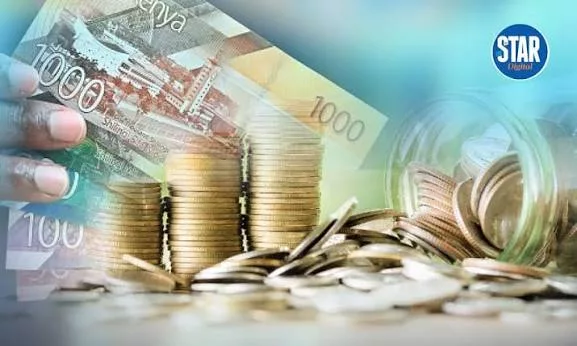
The new levy will see the growers part with at least Sh5 for every Sh100 they make to help government increase revenue.
by The Star
Audio By Vocalize
Avocado farmers during a meeting at General Matenjagwo stadium in Kandara, Murang'a, on February 27, 2024.
Avocado farmers have pledged not to pay the five per cent withholding tax imposed by the national government on agricultural produce.
The new tax that came into force last month will see farmers part with at least Sh5 for every Sh100 they make from their farm produce in a new move to increase revenue.
The state aims at raising Sh14.3 billion from farmers over the next three years from the tax, a decision that has sparked serious concerns.
In Kibereke grounds in Kandara subcounty, Murang’a county, stakeholders in the sector from all avocado-growing zones jeered at a team of Kenya Revenue Authority officers who had been invited to explain the new tax.
The officers drawn from both Thika and Nairobi offices were at pains to explain why farmers will have to pay the new taxes, saying that they will be required to use their mobile phones to generate electronic Tax Invoice Management System receipts that will then send data to KRA.
Avocado harvesters during a meeting in Kandara, Murang'a county, on February 26, 2024.
They said the eTims, a software that provides taxpayers with options for electronic invoicing, will be required for farmers to sell their produce, failure to which they will be breaching the law.
But the loud jeers from farmers eventually forced them off the podium after which they hurriedly rushed to their vehicles and sped off.
The Avocado Aggregators Association of Kenya said the stiff taxes risk collapsing the economy as it pushes low cadre income earners further into poverty.
The association’s chairperson Joseph Wanjohi said it is illogical for the government to impose taxes on poor farmers struggling to make a living out of the meagre earnings they get from their produce.
“Some of these farmers don’t even have mobile phones. How are they expected to generate the invoices?” he said, adding that aggregators have been warned against paying cash to farmers or risk being charged with tax evasion.
Avocado Aggregators Association of Kenya chairperson Joseph Wanjohi (left) with MCA Simon Wamwea during a meeting at General Matenjagwo grounds in Kandara, Murang'a county, on February 26, 2024.
Wanjohi said stakeholders were not involved during the drafting of the law that was passed through the Finance Act, 2023, and called for fresh public participation on the issue.
Should the government move forward with the new tax, Wanjohi said, players in the avocado sector will file court petitions to fight it.
“We have unanimously agreed that we are not ready for the new tax. This is punishing the actual hustlers they promised to empower,” he said.
The sector, he said, employs thousands both directly and indirectly, and that the tax will destabilise the economy and condemn more youths to alcoholism.
Farmer Dominic Ng’ethe said it’s unfortunate that the Kenya Kwanza government is milking hustlers dry instead of empowering them to better fight the high cost of living.
He said majority of small-scale avocado farmers have a few trees and only earn enough to buy food and that taxing them will push them further into poverty.
Avocado aggregator Agnes Njeri during a meeting in Kandara, Murang'a county, on February 26, 2024.
Nge'the said farmers have been struggling to tend to their avocado trees after the fruit started earning more money a few years ago and feel shortchanged that the government has imposed a new tax instead of providing them with subsidised inputs.
“They kept talking about mama mboga during campaigns, that they would put money into her pocket. Which mama mboga were they talking about if they are taxing poor farmers?”
Agnes Njeri, an aggregator, said the government should do away with the tax because aggregators are already bearing the brunt of the high cost of living.
“We fuel transportation vehicles and pay harvesters. If they continue charging us more, they will just be driving us out of business. This tax is killing the agriculture sector,” she said.
“Our Deputy President [Rigathi Gachagua], we elected you to represent us. I started this business at the age of 28 and now I am about 60 years. Where will I go if my business closes down? These taxes are the reason more than 15 exporters have migrated to Tanzania and Uganda in the recent past."
Kandara MP Chege Njuguna and his Gatanga counterpart Edward Muriu pledged to challenge the new tax in the National Assembly, saying they will not allow it to take hold.
Muriu said avocados fetch up to Sh1,000 in external markets yet farmers receive meagre earnings, and that the tax should be imposed on exporters.
Avocados, he added, earned the country more than Sh20 billion last year and is a major foreign exchange earner for the government.
On his part, Chege said the tax will hamper the growth of the avocado sector, asking the government to stop arresting aggregators who use pick-ups and probox vehicles to transport the fruit.
This is premium content
Subscribe to Continue Reading
Help us continue bringing you unbiased news, in-depth investigations, and diverse perspectives. Your subscription keeps our mission alive and empowers us to provide high-quality, trustworthy journalism. Join us today to make a difference!