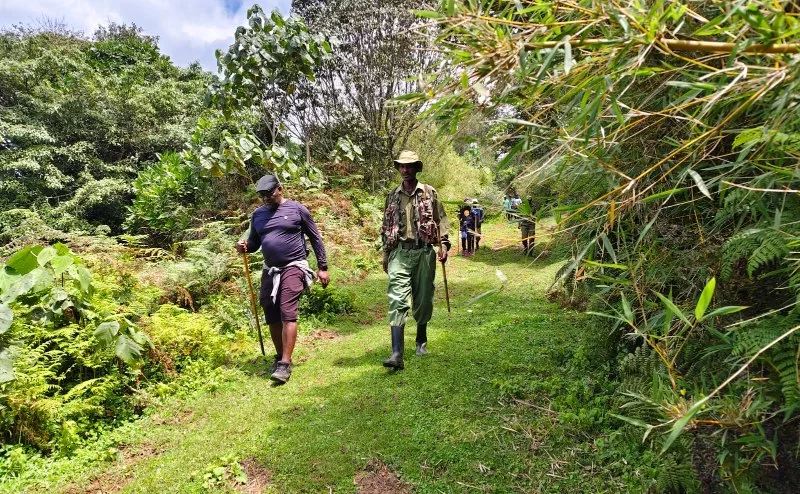
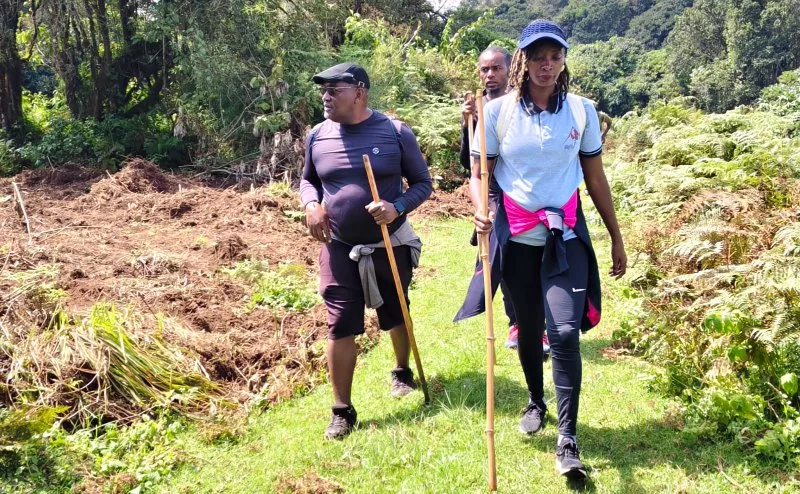
 Zack Gichane, a tourism entrepreneur, checks a spot cleared by elephants as he takes a group of hikers through Kiamuturi forest to Gikae Viewpoint on July 25, 2026/ ALICE WAITHERA
The sun had barely broken through the thick Aberdare Forest canopy when a group of hikers abandoned their vehicles at the forest edge and continued their journey on foot.
For tourism entrepreneur Zack Gichane, the trek was more than just another guided adventure.
It was a daily reminder of the untapped tourism potential lying just beyond Murang'a's doorstep, held back by one obstacle: poor access.
Despite bordering one of Kenya's most iconic protected areas, Murang'a remains largely disconnected from the Aberdare National Park.
Tourists are forced to enter through neighbouring counties, while local businesses miss out on opportunities that could transform the region's economy.
"We have the park here, but it is not accessible from the Murang'a side. That is why other counties have overtaken us in terms of the number of hotels they have and the number of bed nights they record, which far exceed what Murang'a offers," said Gichane, proprietor of Aberdare Cottages and Fishing Lodge in Mathioya.
Gichane, who has operated the lodge since 2007, said the county has enormous potential to become a leading adventure tourism destination, thanks to its forests, rivers, hiking trails, fly fishing, tea and coffee farms and proximity to Nairobi.
As he led visitors along the four-and-a-half-kilometre Gikae Trail in the Aberdare Forest, Gichane said many potential visitors are discouraged because they cannot drive into the park from the Murang'a side.
"Many people enjoy hiking, but not everyone is able to tackle long forest walks. If people could drive into the park from this side, it would significantly boost the hotel industry because tourism investments depend on accessibility," he said.
The Aberdare National Park forms part of the Aberdare Mountain Range, which stretches across Nyandarua, Nyeri, Murang'a, Kiambu and Laikipia counties.
The park is renowned for its indigenous forests, bamboo zones, waterfalls, diverse wildlife, including elephants, buffaloes, leopards and the endangered bongo antelope, as well as its historic lodges, such as The Ark and Treetops.
It is also one of Kenya's key water towers, feeding rivers that support millions of people downstream.
Although Murang'a borders the park, Gichane said visitors are often forced to access attractions such as Elephant Hill through Njabini in Nyandarua or Nyeri counties instead of entering directly from Murang'a, which has the Kiamuturi, Gatare and Kimakia sections of the Aberdare Forest.
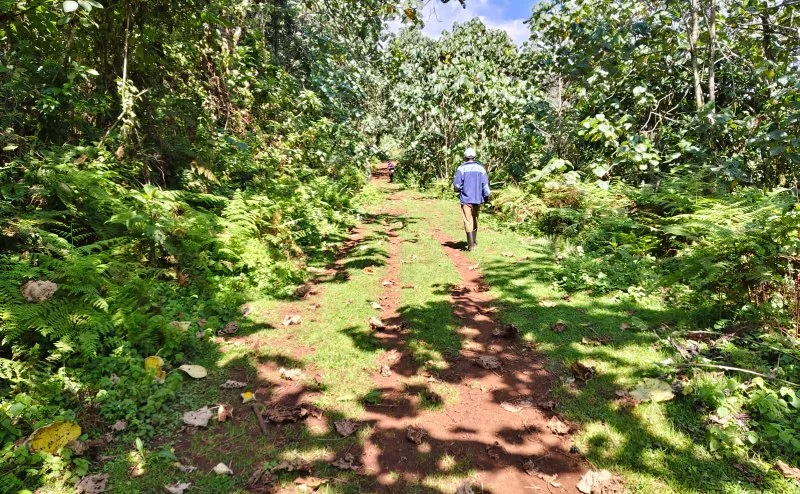
He noted that the journey from Gikae to Elephant Hill takes about seven hours on foot through largely undeveloped trails that quickly become overgrown during the rainy seasons.
This forces tour operators to seek help from residents to clear the paths before visitors arrive.
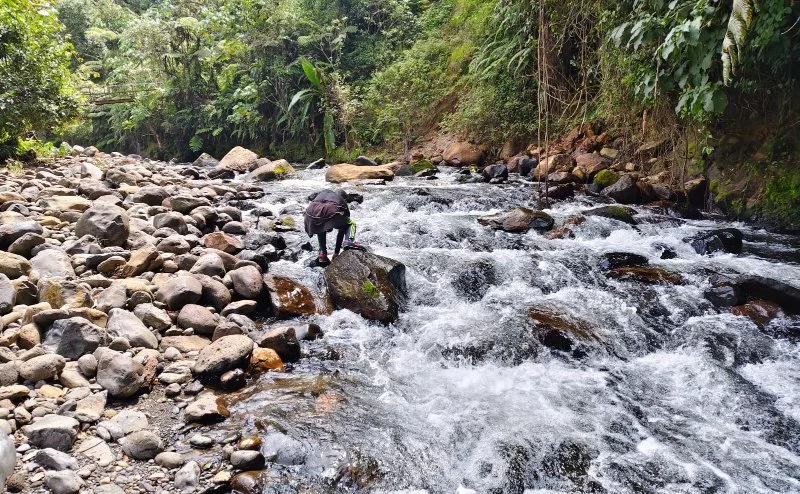
He said the county's tourism offering extends beyond hiking. Visitors also enjoy fly fishing on the Mathioya River, rafting, tea and coffee tours and cultural experiences that could encourage them to stay for up to six days instead of making short day trips.
According to Gichane, basic investments such as access roads, park entry points, washrooms, accommodation facilities and restaurants, supported by the county government and the Kenya Forest Service, would not only improve visitor experiences but also create jobs for local youth.
He added that the Murang'a Tourism Association, an affiliate of the Mt Kenya Tourism Circuit, has been pushing for infrastructure improvements to position the county as a premier adventure tourism destination.
Local communities have also embraced conservation efforts aimed at protecting the forest while creating new tourism opportunities.
Bernard Muraguri Wangui, a member of the Kiamuturi community, said residents planted 15,000 indigenous tree seedlings in April this year.
Volunteers who participated in the exercise were rewarded with avocado seedlings to establish orchards on their farms.
Apart from conservation, community members also guide visitors to attractions including the Gikae Viewpoint, Gatango Waterfall and sections of the Mathioya River that are popular for recreational fishing.
Muraguri said Gikae Hill also holds historical significance, as it was used by the colonial authorities during the Mau Mau liberation struggle to detain captured freedom fighters before they were transferred through the forest to Njabini.
Meanwhile, Greenshine Self Help Group Secretary Kariuki Kagure said the group is currently raising about 86,000 tree seedlings, 10 per cent of which are fruit trees distributed to participating households to improve nutrition and household incomes while expanding tree cover.
Kagure said the group plants indigenous trees in the Aberdare Forest and along the Mathioya River to protect the ecosystem and restore rainfall that supports the area's tea and fruit farming.
He appealed to the government and other stakeholders to purchase the more than 70,000 seedlings currently ready for planting ahead of the next rainy season.
He said greater support for community conservation initiatives would strengthen efforts to safeguard the Aberdare Forest while enhancing Murang'a's growing eco-tourism appeal.
INSTANT ANALYSIS
Although Murang'a borders the park, visitors are often forced to access attractions such as Elephant Hill through Njabini in Nyandarua or Nyeri counties instead of entering directly from Murang'a, which has the Kiamuturi, Gatare and Kimakia sections of the Aberdare Forest.
Tourism entrepreneur Zack Gichane said basic investments such as access roads, park entry points, washrooms, accommodation facilities and restaurants, supported by the county government and the Kenya Forest Service, would improve visitor experiences and create jobs.
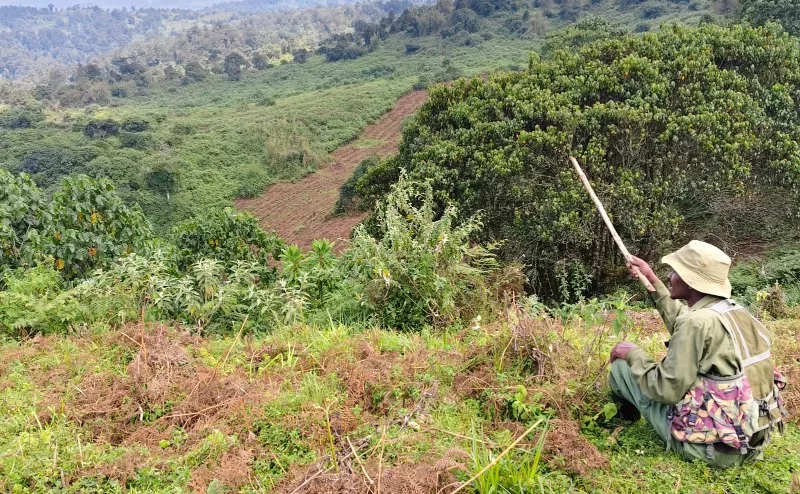 A KWS ranger points to Gikae hill in the Aberdare Forest where colonialists would imprison Mau Mau fighters captured in the forest/ ALICE WAITHERA