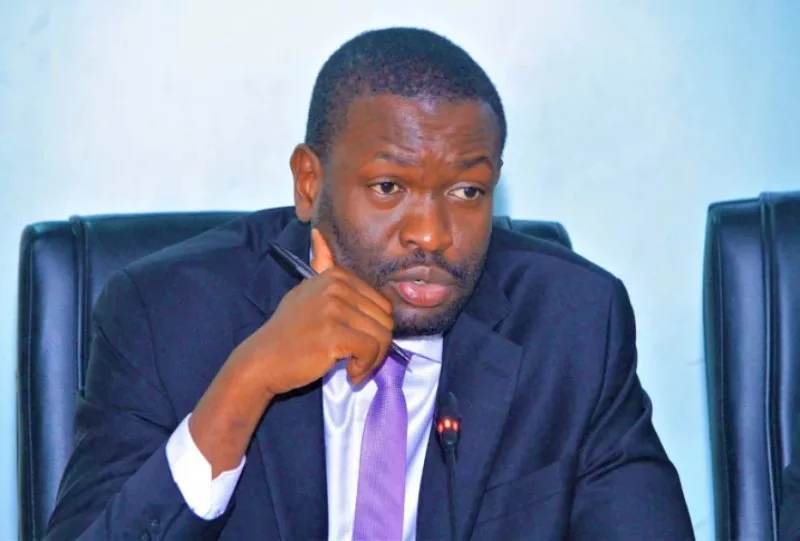
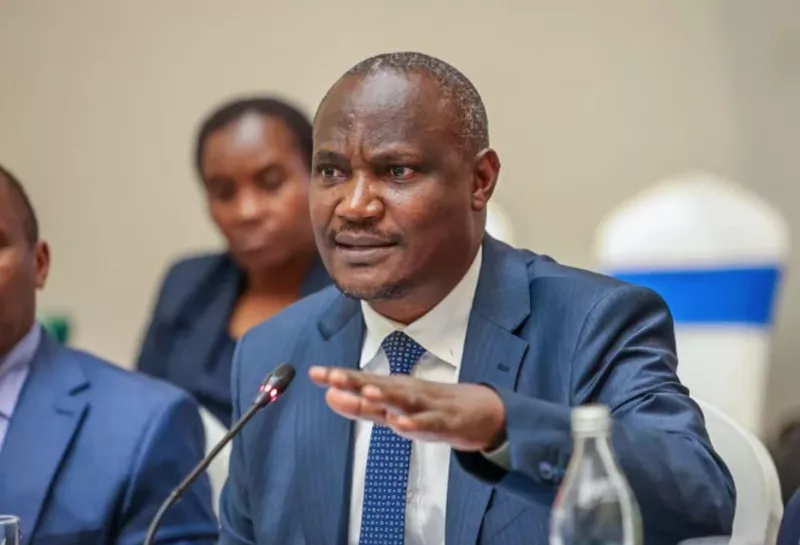
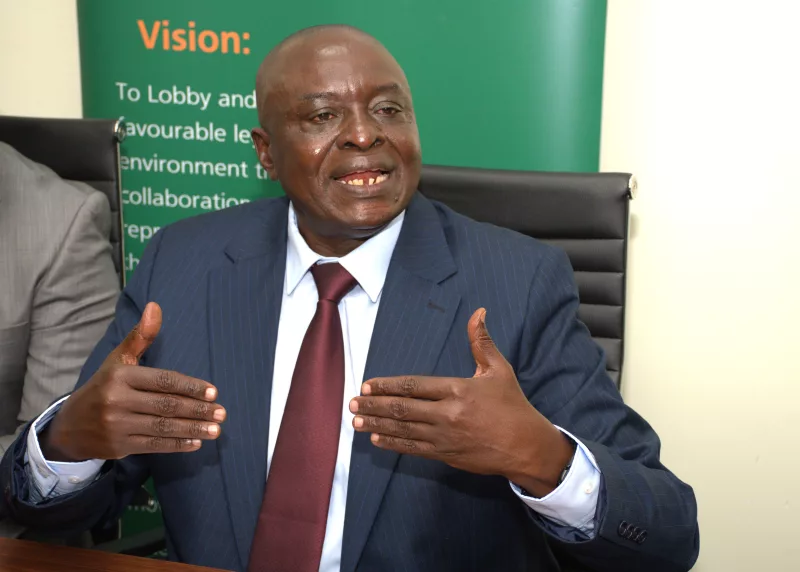
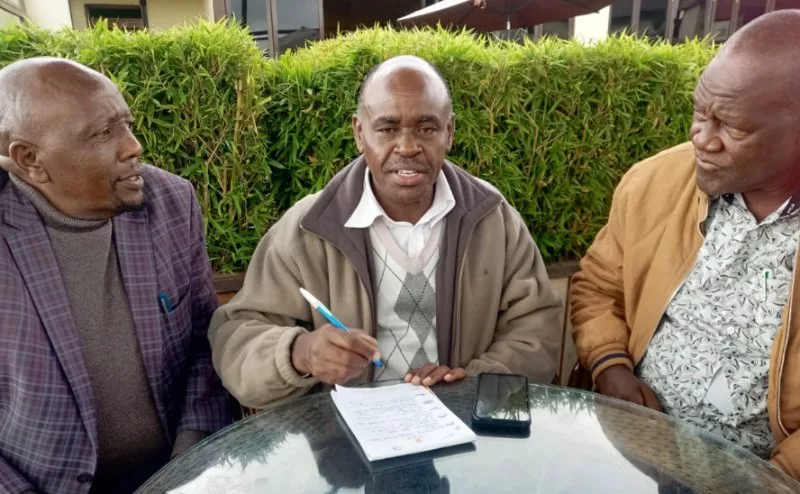
 Kirinyaga retired professionals Henry Gachuma, Charles Nderitu and John Irungu during a media briefing /WANGECHI WANG'ONDU
A section of Kirinyaga county elders has unveiled a raft of proposals they believe, if adopted, could help eradicate the deeply entrenched corruption in the country.
Addressing the media on Saturday, the elders said the 2010 Constitution should be reviewed to strengthen governance by integrating African leadership values into the country's political system.
They argued that some constitutional offices should be restructured to enhance accountability and oversight.
Central to their proposal is the transformation of the Senate into a National Council of Elders, which they say would serve as the country's highest oversight institution.
The coordinator of the elders' group, Henry Gachuma, said that although the 2010 Constitution is a progressive document, it still has shortcomings that should be addressed by incorporating African cultural principles into governance.
Gachuma, a retired teacher, proposed that Senate candidates should be eminent Kenyans aged 60 years and above who have never been implicated in corruption, are retired, are not affiliated with any political party, and would not be entitled to a pension upon assuming office.
According to the group, aspiring Senate candidates should submit their applications to their respective county assemblies at least four months before a general election.
Members of County Assembly (MCAs) would then vet the applicants, and any candidate endorsed by at least two-thirds of the MCAs would be cleared to contest.
"The MCAs, who should be 35 years and below, university graduates and persons of high moral standing, should vet Senate candidates before issuing successful applicants with County Elder Certificates, allowing them to vie in the general election," Gachuma said.
He said senators elected under the proposed system would serve in the Upper House and be empowered to summon and question a sitting President whenever the country appears to be headed in the wrong direction, determine whether a President is fit to seek a second term, and initiate impeachment proceedings against the President, governors and other senior state officials.
"Once a state officer has been impeached on grounds of corruption, the Judiciary and other relevant institutions should take up the matter and determine it in strict accordance with the law," he said.
The group also proposed assigning county senators a central role in the election of governors. Under the proposal, senators would, with the support of chiefs and MCAs, establish a County Council of Elders (Baraza la Wazee) four months before a general election.
The council would comprise three members from every ward, including at least one woman, all aged 60 years and above. The council would vet all gubernatorial aspirants, and only candidates supported by at least two-thirds of the members would be cleared to contest.
Gachuma further proposed that county assemblies be given the responsibility of discussing the conduct of presidential aspirants four months before a general election. Candidates approved by at least two-thirds of MCAs would then proceed to the Senate for further vetting, with only four candidates qualifying for the presidential ballot.
He also suggested that MCAs be granted powers to impeach Members of Parliament, Women Representatives and Senators found guilty of misconduct and thereafter face the relevant investigative and judicial processes.
Defending the proposals, Gachuma said accountability at the highest levels of leadership would trickle down to all sectors of society, including the private sector.
"Rot starts from the head. If we want to cure the whole body, we must first find medicine for the head," he said.
He argued that African traditional leadership systems were effective in enforcing discipline and should be incorporated into modern governance.
"In the past, it was a great shame for an elder to be associated with corruption or misconduct because reputation mattered. We believe our traditional values can help restore integrity in leadership," he said.
John Irungu, a retired information officer, backed the sweeping raft of proposals, saying they would strengthen transparency, accountability and checks and balances in government.
"Our proposal offers practical solutions to ensure corrupt leaders do not get opportunities to hold public office," he said.
Another elder, Charles Nderitu, also endorsed the proposals, saying rigorous vetting would ensure only leaders of integrity assume office.
"I also support the proposal that members of the National Council of Elders should not receive pensions, so that their sole responsibility remains safeguarding the country's well-being," he said.